
Beautiful Plants For Your Interior
Beautiful Plants For Your Interior
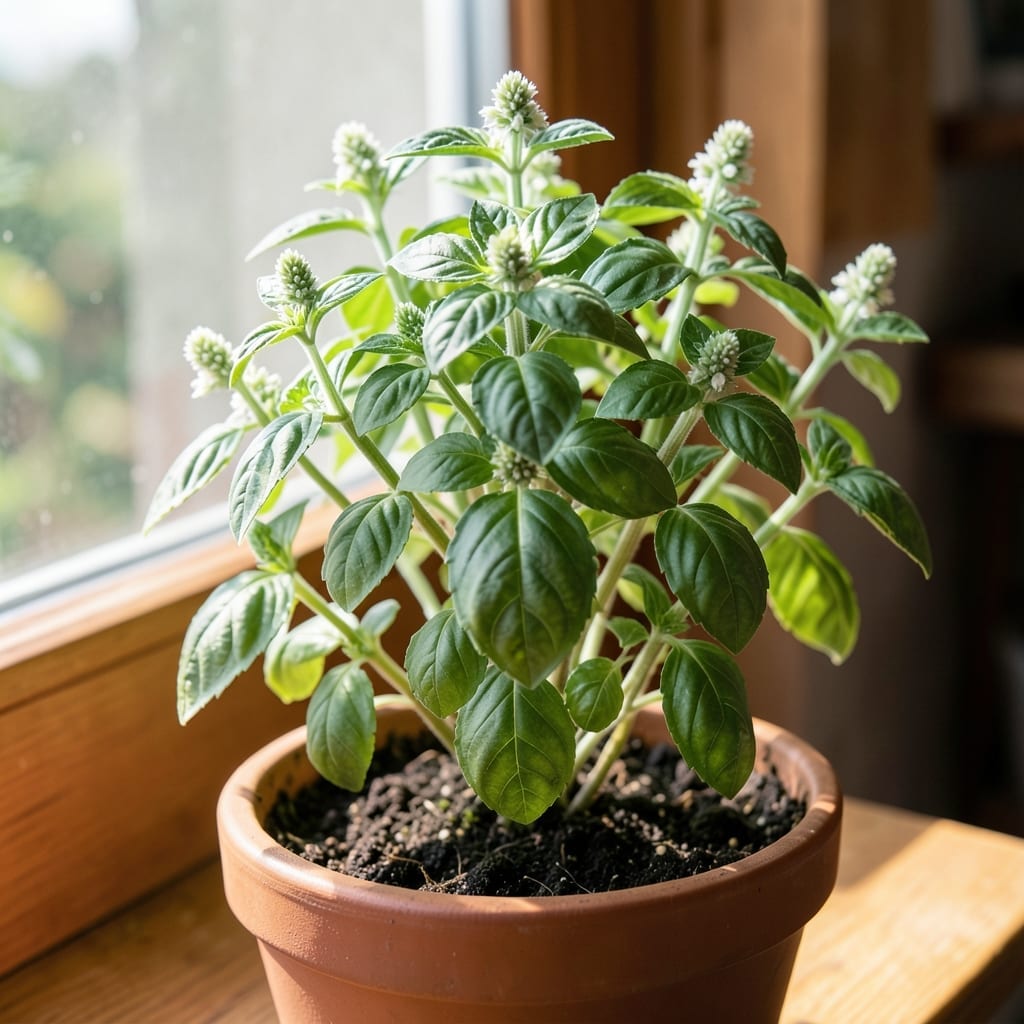
I remember the first time I grew salad leaf basil—tiny seeds turned into a lush green carpet in 30 days. This variety stays compact, perfect for containers or garden edges.
You’ll get tender leaves with a milder flavor than Genovese. It thrives in 6-8 hours of sun and handles cooler temps better than most basils. Harvest often to keep it producing all season.
📚 In This Guide
Here’s my trusted method for cultivating tender, flavorful leaves that thrive in any home garden.
Choose a location with full sun exposure, as basil requires at least 6-8 hours of direct sunlight daily for optimal growth. The soil should be well-draining, rich in organic matter, and slightly moist. I always amend the bed with compost to ensure fertility and proper drainage.
Test the soil pH—basil prefers a range of 6.0-7.5. If the soil is too acidic, add lime to balance it. Loosen the top 8-10 inches of soil to encourage root development and remove any weeds or debris that could compete with your plants.
For direct sowing, plant seeds ¼ inch deep and space them 12 inches apart to allow for healthy air circulation. If transplanting seedlings, dig holes slightly larger than the root ball and space them 12-18 inches apart. Gently firm the soil around the base to remove air pockets.
Water thoroughly after planting to settle the soil and provide immediate hydration. I like to use a fine mist for seeds to avoid displacing them. For seedlings, water at the base to prevent wetting the leaves, which can invite fungal issues.
Keep the soil consistently moist but not waterlogged. Basil thrives when the top 1 inch of soil feels dry to the touch before watering again. In hot climates, this may mean watering every 2-3 days, while cooler climates might require less frequency.
Mulch around the plants with organic material to retain moisture and suppress weeds. Avoid overhead watering once the plants are established, as wet foliage can lead to disease. Prune the tips of the plants once they reach 6 inches tall to encourage bushier growth.
Feed your basil with a balanced, water-soluble fertilizer every 3-4 weeks to sustain growth. Organic options like compost tea or fish emulsion work exceptionally well. Basil is a heavy feeder, so don’t skip this step if you want lush, flavorful leaves.
Watch for common pests like aphids or whiteflies, which can cluster on the undersides of leaves. If you spot them, spray the plants with a mixture of water and mild soap or introduce beneficial insects like ladybugs. Regularly inspect the foliage for early signs of trouble.
Begin harvesting leaves once the plant reaches 6-8 inches tall. Pick individual leaves or snip entire stems just above a set of leaves to encourage regrowth. Always harvest in the morning when the essential oils are most concentrated for the best flavor.
Use clean, sharp scissors or your fingers to avoid damaging the plant. Regular harvesting prevents the basil from flowering, which can make the leaves bitter. For continuous harvests, pick leaves every 1-2 weeks, and the plant will keep producing until the first frost.
Took me a few seasons to learn these the hard way, so let me save you the trouble.
Sunlight Strategy: Basil demands that 6-8 hours of direct sunlight daily—don’t skimp. In Step 1, if your garden doesn’t get full sun, consider containers on a sunny patio. Morning sun is ideal, as it dries dew quickly, reducing disease risk.
Soil Preparation Tip: When loosening the top 8-10 inches of soil in Step 1, mix in plenty of compost. Basil roots are shallow but need loose, fertile soil to spread. I’ve found that adding a 2-inch layer of compost before planting makes a noticeable difference in leaf quality.
Watering Wisdom: That 1 inch dry soil test from Step 3 is your best guide. In hot weather, you’ll likely water every 2-3 days, but always check first. Overwatering causes yellow leaves, while underwatering makes them wilt. A moisture meter takes the guesswork out of it.
Pruning for Production: Don’t wait until plants are tall to prune—start when they hit 6 inches in Step 3. Regular pinching of the top sets promotes bushier growth and delays flowering. I use clean scissors to avoid tearing the stems, which can invite disease.
Yes! Basil thrives indoors with plenty of sunlight (6+ hours daily) or under grow lights. Use well-draining soil and keep the temperature between 70-80°F for best results.
Water when the top inch of soil feels dry—usually every 2-3 days. Avoid overwatering to prevent root rot, and ensure pots have drainage holes.
Aphids, whiteflies, and spider mites are common. Use neem oil or insecticidal soap for control, and inspect leaves regularly for early signs.
Yellow leaves often signal overwatering, poor drainage, or nutrient deficiencies. Check soil moisture and adjust care; trim affected leaves to encourage new growth.
Regular potting soil works if it’s well-draining. For best results, mix in compost or perlite to improve aeration and fertility.