
Beautiful Plants For Your Interior
Beautiful Plants For Your Interior
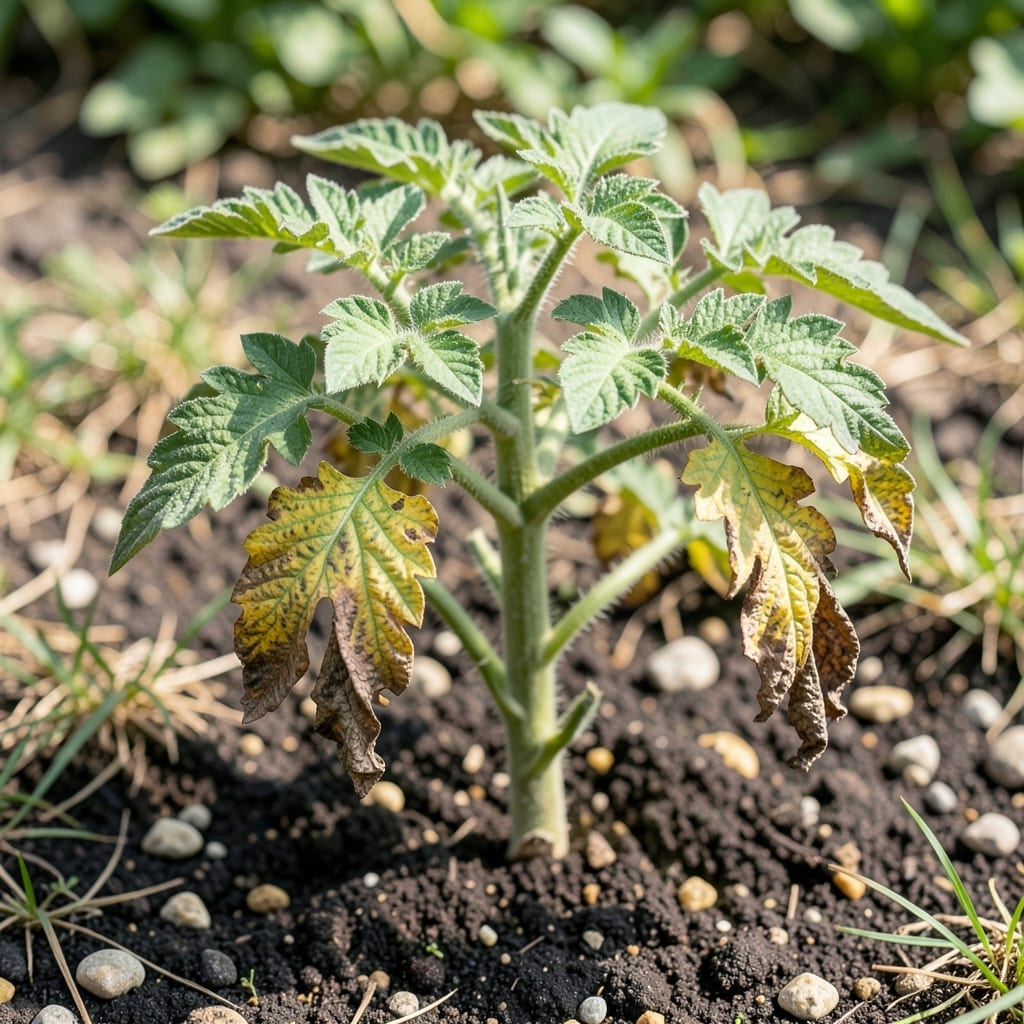
Your tomato plant isn’t doomed—yet. I’ve nursed more sad, yellowing plants back to health than I can count, and the fix is usually simpler than you’d think.
Most issues boil down to 4 common culprits: too much water, not enough food, sneaky pests, or a sneaky disease. The good news? Each has a clear, actionable solution once you spot the real problem.
With the right tweaks, those limp leaves will perk up within a week, and new growth will start pushing through. No fancy tools or expensive fixes required.
Works for container plants, in-ground gardens, and even those sad grocery store transplants.
A sad tomato plant often signals underlying issues that disrupt its growth or health. Below are the most frequent causes, explained with actionable insights.
Tomatoes are heavy feeders, and a lack of essential nutrients like nitrogen (yellow lower leaves), phosphorus (purple stems/leaves), or potassium (brown leaf edges) can stunt growth. Test soil with a kit and amend with balanced fertilizer (e.g., 10-10-10) or organic compost.
Root rot (from soggy soil) or drought stress (wilting, crispy leaves) both weaken plants. Check soil moisture 1–2 inches deep—water only when dry. Ensure pots have drainage holes, and use mulch to retain moisture without suffocating roots.
Aphids, whiteflies, or spider mites sap plant fluids, causing curled or yellowing leaves. Inspect leaf undersides and stems; blast pests off with water or apply neem oil. Companion planting (e.g., basil) can deter invaders naturally.
Too much sun (scorched leaves) or too little (leggy, pale growth) stresses tomatoes. Aim for 6–8 hours of sunlight daily. Use shade cloth in extreme heat or supplement with grow lights indoors.
Early blight (brown spots) or fusarium wilt (yellowing, wilting) thrive in wet conditions. Rotate crops, avoid overhead watering, and remove infected leaves. Copper fungicides can prevent spread.
Bringing your tomato plant back to life starts with identifying the root cause. Below are targeted fixes for the most common issues, along with tips to prevent future problems.
If your plant’s leaves are turning yellow and the soil feels soggy, stop watering immediately. Let the top 1-2 inches of soil dry out before watering again. Ensure your pot or garden bed has drainage holes to prevent root rot. Prevention tip: 💡 Water only when the soil is dry to the touch, and use a well-draining potting mix.
Yellowing between leaf veins often signals a lack of nitrogen, magnesium, or iron. Fix it by adding a balanced fertilizer (10-10-10) or a tomato-specific feed. For magnesium, sprinkle Epsom salt (1 tablespoon per gallon of water) around the base. Prevention tip: ✨ Test your soil annually and amend it with compost before planting.
Leggy, weak stems or scorched leaves mean your plant isn’t getting the right light. Tomatoes need 6-8 hours of sunlight daily. If growing indoors, use a grow light 12-16 hours a day. For heat stress, provide afternoon shade in extreme climates. Prevention tip: 🌡️ Acclimate seedlings gradually to outdoor conditions to avoid shock.
Check the undersides of leaves for aphids, whiteflies, or spider mites. Treat immediately with neem oil or insecticidal soap, spraying every 3-5 days until pests are gone. Prevention tip: 🎯 Encourage beneficial insects like ladybugs by planting companion flowers like marigolds.
If your plant is in a container and growth has stalled, it may be root-bound. Repot into a larger container, gently loosening the roots. Prevention tip: 🌿 Start with a pot at least 12 inches deep and wide for indeterminate varieties.
Water deeply 2-3 times per week, allowing the top 1-2 inches of soil to dry between waterings. Containers may need daily checks in hot weather. Always water at the base, not the leaves.
If overwatering is the cause, stop watering and move the plant to a shady spot for 2-3 days. For nutrient issues, apply a balanced fertilizer immediately. Remove severely yellowed leaves to redirect energy.
Yes, if caught early. Trim black, mushy roots and repot in fresh, well-draining soil. Reduce watering and ensure the container has drainage holes. Recovery takes 1-2 weeks with proper care.
This often signals pest stress or uneven watering. Check for aphids on leaf undersides. If pests aren’t present, adjust your watering schedule to maintain consistent moisture.