
Beautiful Plants For Your Interior
Beautiful Plants For Your Interior
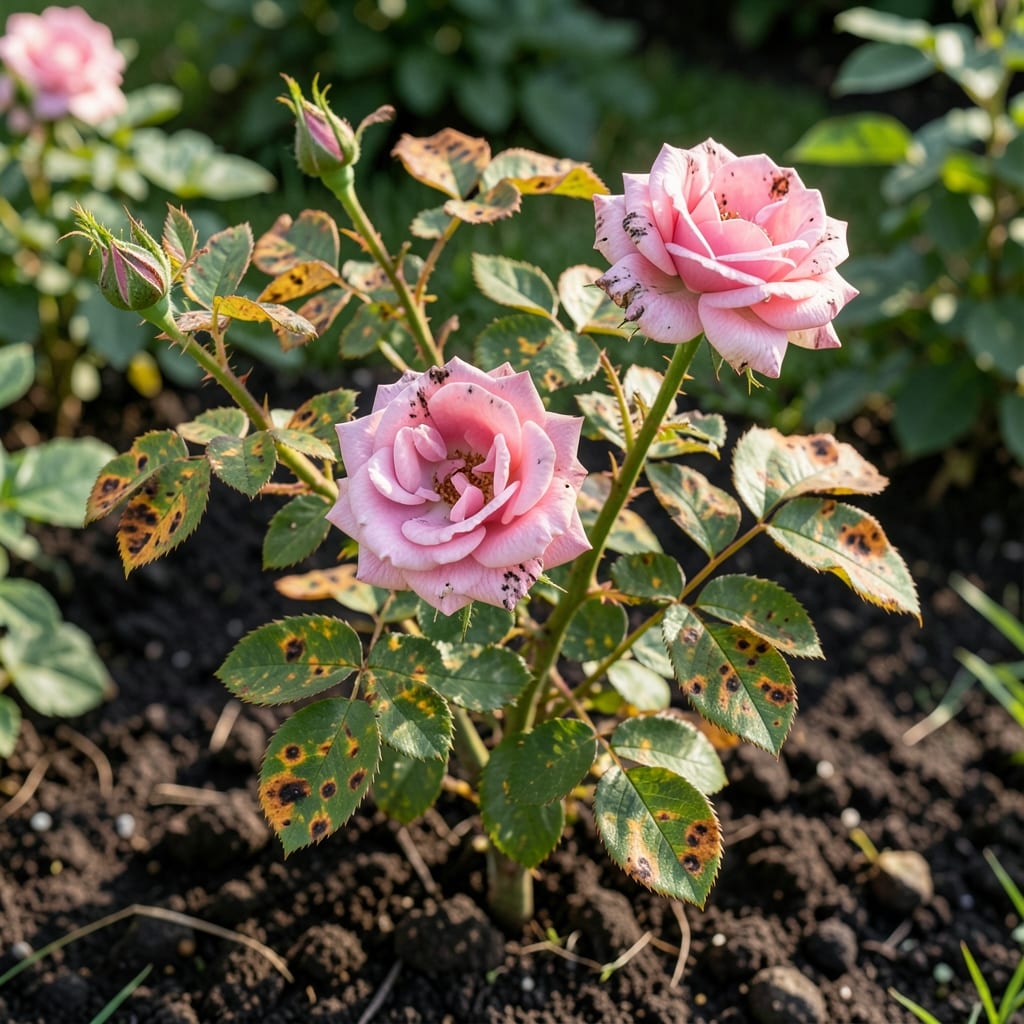
Orange spots on your rose leaves aren’t just ugly—they’re stealing your plant’s strength. I’ve battled rust disease for years and learned the hard way that ignoring it means weaker blooms and stunted growth.
The culprit is a fungus that thrives in wet, warm conditions. It spreads fast, turning healthy foliage into a patchwork of yellow and brown. But here’s the good news: with the right approach, you can stop it in its tracks without harsh chemicals.
You’ll see new growth returning within 2-3 weeks of treatment. The key is consistent action—remove infected leaves, improve air circulation, and apply organic remedies. Your roses will thank you with vibrant blooms all season.
Works for all rose varieties, from climbers to shrubs. Let’s clear this up for good.
Rust on roses is primarily caused by fungal pathogens, with Phragmidium species being the most common culprits. Understanding the conditions that promote its development can help you prevent and manage outbreaks effectively.
Fungal spores thrive in damp environments. Prolonged leaf wetness—from rain, overhead irrigation, or high humidity—creates the perfect breeding ground. Roses in poorly drained soil or crowded plantings with limited airflow are especially vulnerable, as moisture lingers on foliage longer.
Rust fungi flourish in moderate to warm temperatures, typically between 60–75°F (15–24°C). These conditions accelerate spore germination and infection. In regions with mild springs and summers, roses are at higher risk if other factors (like moisture) are present.
Dense foliage or overcrowded plantings restrict airflow, trapping moisture around leaves. This stagnant environment allows spores to settle, germinate, and spread. Pruning for an open canopy and spacing plants properly can significantly reduce risk.
Watering from above wets the leaves, providing the moisture fungi need to infect. Switch to drip irrigation or soaker hoses to deliver water directly to the roots, keeping foliage dry and less susceptible to rust.
Fallen leaves and plant debris harbor fungal spores over winter. When temperatures rise in spring, these spores can reinfect new growth. Removing and destroying infected debris (not composting!) breaks the disease cycle.
Dealing with rust on your roses doesn’t have to be a thorny issue. Below are practical, organic solutions to tackle the most common causes, along with prevention tips to keep your garden blooming beautifully.
Rust thrives in damp, crowded conditions. Fix it by pruning infected leaves and stems immediately—dispose of them in the trash (not compost) to avoid spreading spores. Thin out dense foliage to improve airflow, and space plants at least 3 feet apart. Prevention tip: Water at the base of the plant in the morning so leaves dry quickly. 💡
Wet leaves are a rust magnet. Switch to drip irrigation or use a soaker hose to keep foliage dry. If using a sprinkler, water early in the day so sunlight can evaporate moisture. Prevention tip: Mulch around the base to reduce soil splashing onto leaves. 🌡️
For active infections, spray neem oil or a baking soda solution (1 tbsp baking soda + 1 tsp dish soap + 1 gallon water) every 7–10 days until the rust clears. Apply in the evening to avoid leaf burn. Prevention tip: Rotate treatments with copper fungicide for stubborn cases. ✨
Stressed roses are more susceptible. Fertilize with a balanced organic rose food and ensure they get 6+ hours of sunlight daily. Prevention tip: Avoid high-nitrogen fertilizers, which promote leafy growth at the expense of disease resistance. 🎯
Rarely, but it weakens them significantly. Severe infections can defoliate plants, reducing blooming and making them vulnerable to other issues. With prompt treatment, most roses recover fully within 2-3 weeks.
No, never compost infected leaves. The fungal spores survive composting and can spread to other plants. Always dispose of them in the trash to prevent reinfection.
Apply every 7-10 days during active infection, or after rain. Spray in the evening to avoid leaf burn. For prevention, monthly treatments during humid weather work well.
Spores overwinter in fallen leaves and soil. Clean up all debris in fall, and apply a copper fungicide in early spring before new growth appears to break the cycle.