
Beautiful Plants For Your Interior
Beautiful Plants For Your Interior
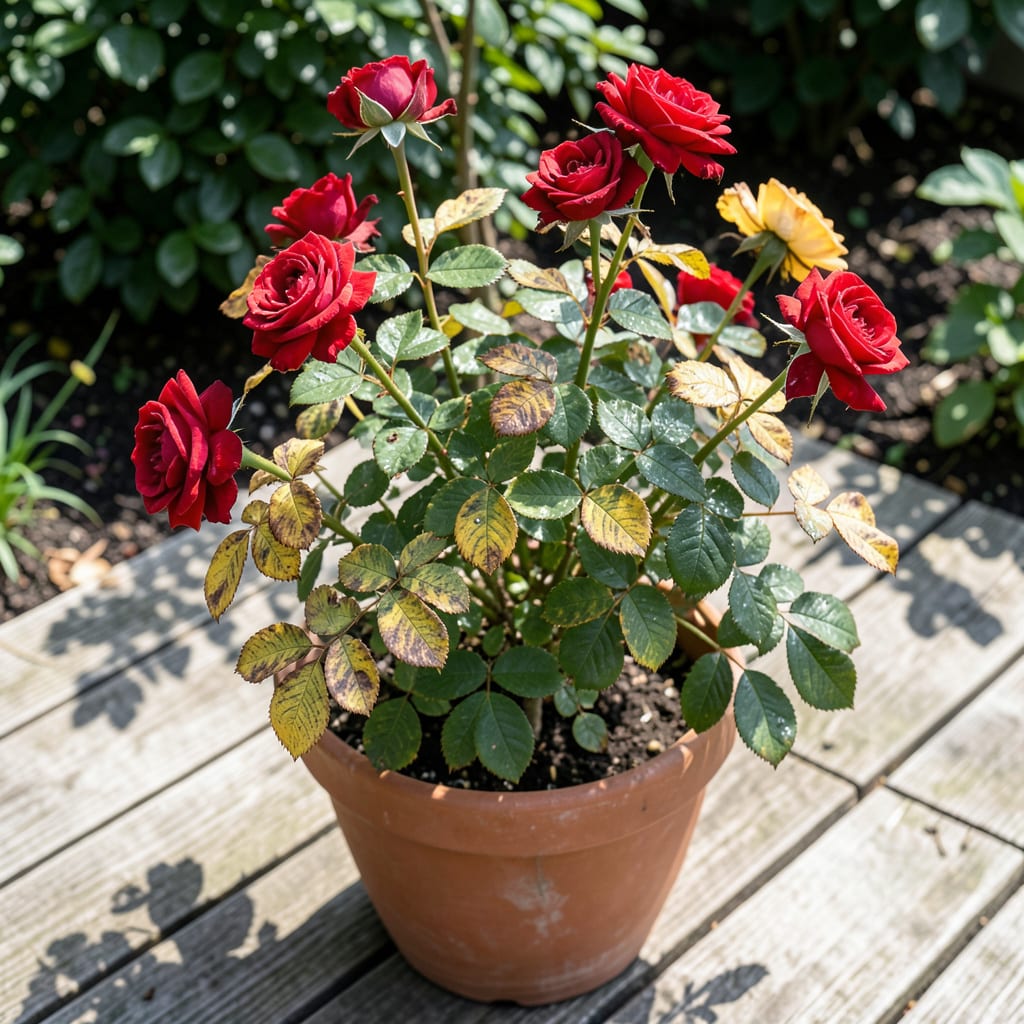
Yellow and brown leaves on your roses aren’t just unsightly—they’re a cry for help. I’ve seen this problem wipe out entire bushes when ignored, but the good news is it’s usually fixable with the right diagnosis.
Most cases come down to 4 common culprits: underwatering, nutrient deficiencies, fungal diseases, or pest damage. The pattern of discoloration often points directly to the cause—yellow between veins suggests iron deficiency, while brown spots usually mean fungus.
Once you identify the issue, solutions range from adjusting your watering schedule to applying organic fungicides or soil amendments. I’ve nursed dozens of roses back from the brink using these targeted approaches.
The key is acting fast. Left unchecked, what starts as a few yellow leaves can spread to the entire plant within 2-3 weeks. Here’s how to save your roses before it’s too late.
Rose bush leaves turning yellow and brown often signal underlying stress. Here are the most common causes, backed by science:
Yellowing leaves (chlorosis) often result from a lack of nitrogen, iron, or magnesium. Nitrogen deficiency starts in older leaves, while iron deficiency (common in alkaline soils) affects new growth first. Magnesium shortages cause interveinal yellowing—green veins with yellow tissue between.
Too much water suffocates roots, blocking oxygen uptake and causing root rot. Underwatering, meanwhile, triggers leaf scorch (brown, crispy edges) as cells die from dehydration. Roses need 1–2 inches of water per week, adjusted for climate.
Black spot (Diplocarpon rosae) and powdery mildew (Podosphaera pannosa) thrive in wet, humid conditions. Black spot causes yellow halos around dark spots, while powdery mildew coats leaves in white powder. Both weaken the plant, leading to browning.
Spider mites and aphids suck sap from leaves, causing stippling (tiny yellow dots) or curling. Severe infestations lead to widespread yellowing and browning. Check leaf undersides for webbing (mites) or sticky residue (aphids).
Extreme heat, frost, or sudden temperature swings disrupt photosynthesis, turning leaves yellow or brown. Sunburn (from intense afternoon sun) can scorch edges, while cold snaps damage cell membranes.
Don’t panic—your rose bush can bounce back! Here’s how to tackle the most common causes of yellowing and browning leaves, with simple fixes and prevention tips to keep your roses thriving.
Fix: Let the soil dry out slightly between waterings. If the soil feels soggy, reduce watering frequency. For poor drainage, repot or amend the soil with compost or perlite to improve airflow. Trim any mushy, blackened roots to prevent rot.
Prevention: Use well-draining soil and pots with drainage holes. Water deeply but only when the top inch of soil is dry. 💡 Pro tip: Early morning watering reduces evaporation and fungal risks.
Fix: Test your soil with a kit (available at garden centers). For nitrogen deficiency (pale yellow leaves), use a balanced rose fertilizer. For iron or magnesium shortages (yellowing between veins), apply chelated iron or Epsom salt (1 tablespoon per gallon of water) as a foliar spray.
Prevention: Feed roses every 4–6 weeks during growing season. Mix organic matter like compost or worm castings into the soil annually. ✨
Fix: Inspect leaves for aphids, spider mites, or thrips. Blast them off with water or apply neem oil or insecticidal soap (follow label instructions). For severe cases, use horticultural oil.
Prevention: Encourage beneficial insects like ladybugs by planting companion flowers (e.g., marigolds). Keep the garden clean to deter pests. 🎯
Fix: Remove infected leaves immediately and dispose of them (don’t compost!). Apply a fungicide (copper-based or sulfur-based) or a baking soda spray (1 teaspoon baking soda + 1 quart water + a drop of dish soap). Prune to improve airflow.
Prevention: Avoid overhead watering—use a soaker hose instead. Space plants for good circulation, and clean up fallen debris regularly. 🌡️
Fix: If leaves are scorched (brown, crispy edges), provide afternoon shade or mulch to retain moisture. For cold damage, protect roses with burlap wraps in winter.
Prevention: Plant roses in a spot with 6+ hours of sunlight but shield them from harsh afternoon sun in extreme climates. Mulch with 2–3 inches of organic material to regulate soil temperature.
Yes, intense afternoon sun can scorch leaves, turning edges brown and crispy. Provide afternoon shade or mulch to protect the soil and retain moisture.
Nutrient deficiencies often show distinct patterns. Iron shortage causes yellowing between veins on new leaves, while nitrogen deficiency starts with older leaves turning uniformly pale yellow. Test your soil for confirmation.
Yes, remove severely damaged leaves to prevent the spread of disease and redirect the plant’s energy to healthy growth. Always use clean, sharp tools to avoid further stress.
Overwatering leads to root rot, which blocks oxygen uptake and causes yellowing and browning. Let the top 1 inch of soil dry between waterings to prevent this.
