
Beautiful Plants For Your Interior
Beautiful Plants For Your Interior
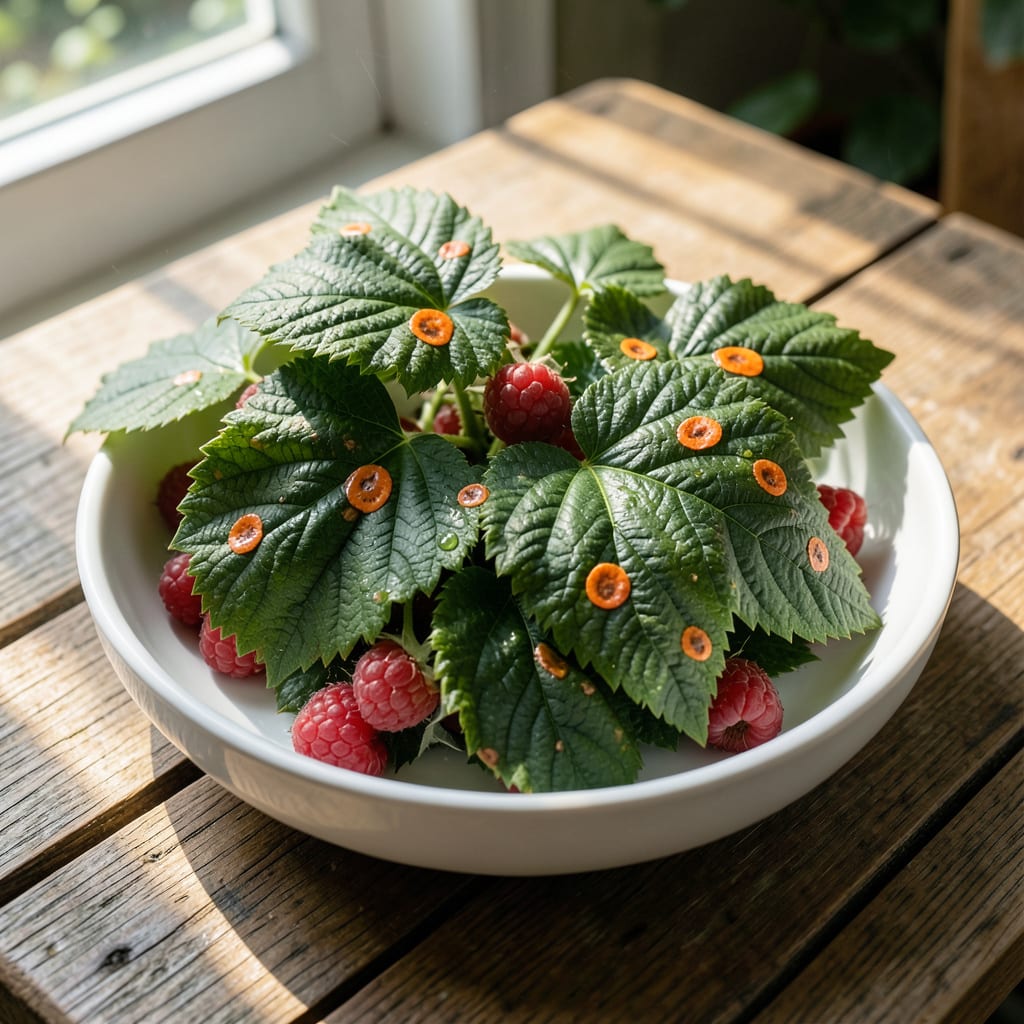
Those orange spots on your raspberry leaves aren’t just unsightly—they’re a red flag. I’ve battled this exact problem in my own garden, and ignoring it leads to stunted growth and poor harvests.
Rust and other fungal infections spread fast, especially in wet conditions. The good news? You can stop it without harsh chemicals. Organic fixes like neem oil and baking soda sprays work surprisingly well if you catch it early.
Left unchecked, these spores overwinter and return next season with a vengeance. The key is removing infected leaves immediately and improving air circulation around your plants.
With consistent treatment, your raspberries can bounce back stronger. I’ve saved entire canes using these methods, and the taste of homegrown berries makes it worth the effort.
Orange spots on raspberry leaves often stem from fungal infections or environmental stressors. Here are the most common causes:
Septoria rubi is a fungus that thrives in wet, humid conditions. It produces circular, orange-brown lesions with gray centers on leaves. The spores spread via water splashes, infecting new foliage. Prune infected leaves and improve airflow to reduce moisture buildup.
Caused by Elsinoe veneta, this fungus creates small, sunken orange or purple spots on leaves and canes. It spreads rapidly in warm, wet weather. Remove and burn infected plant debris to prevent overwintering spores.
Excessive moisture on leaves promotes fungal growth. Water at the base of plants to keep foliage dry, and avoid late-evening irrigation to allow leaves to dry before nightfall.
Potassium or magnesium shortages can weaken plants, making them more susceptible to infections. Test soil and amend with organic compost or balanced fertilizers to correct deficiencies.
Act quickly to address these issues—early intervention prevents the spread of disease and keeps your raspberry plants thriving.
Addressing orange spots on raspberry leaves starts with identifying the cause. Here’s how to tackle the most common issues and prevent recurrence:
If fungal pathogens like Septoria or Anthracnose are to blame, remove and destroy infected leaves immediately to stop the spread. Apply a copper-based fungicide or a homemade mix of 1 tsp baking soda + 1 quart water + a few drops of dish soap. Spray every 7–10 days until symptoms fade.
Prevention: Improve airflow by pruning dense canes and watering at the base (not overhead). Mulch with straw to reduce soil splash.
Pests like spider mites or aphids can stress plants, making them susceptible to spots. Treat with neem oil (mix 1 tbsp oil + 1 tsp dish soap per gallon of water) and spray evenings to avoid harming bees. Wipe leaves with a damp cloth to remove pests manually.
Prevention: Encourage beneficial insects (ladybugs, lacewings) by planting companion flowers like marigolds or nasturtiums nearby.
Yellow-orange spots may signal magnesium or potassium deficiency. Apply Epsom salt (1 tbsp per gallon of water) for magnesium or wood ash (sprinkle lightly around the base) for potassium. Test soil pH—raspberries thrive in 5.5–6.5.
Prevention: Feed plants with compost or balanced organic fertilizer in early spring and mid-summer.
Always sterilize pruning tools with rubbing alcohol between cuts, and clean up fallen leaves and debris in autumn to eliminate overwintering spores or pests.
Yes, if left untreated. They often signal fungal infections that can spread, weaken canes, and reduce fruit production. Early action prevents serious damage.
Fruit from diseased plants is usually safe if washed, but quality may suffer. Remove severely infected canes to protect next season’s harvest.
For fungal issues, spray every 7–10 days until spots fade. Reapply after rain. Consistency is key to breaking the disease cycle.
Remove and destroy infected leaves immediately, and thin dense growth to improve airflow. This slows fungal spread significantly.
