
Beautiful Plants For Your Interior
Beautiful Plants For Your Interior
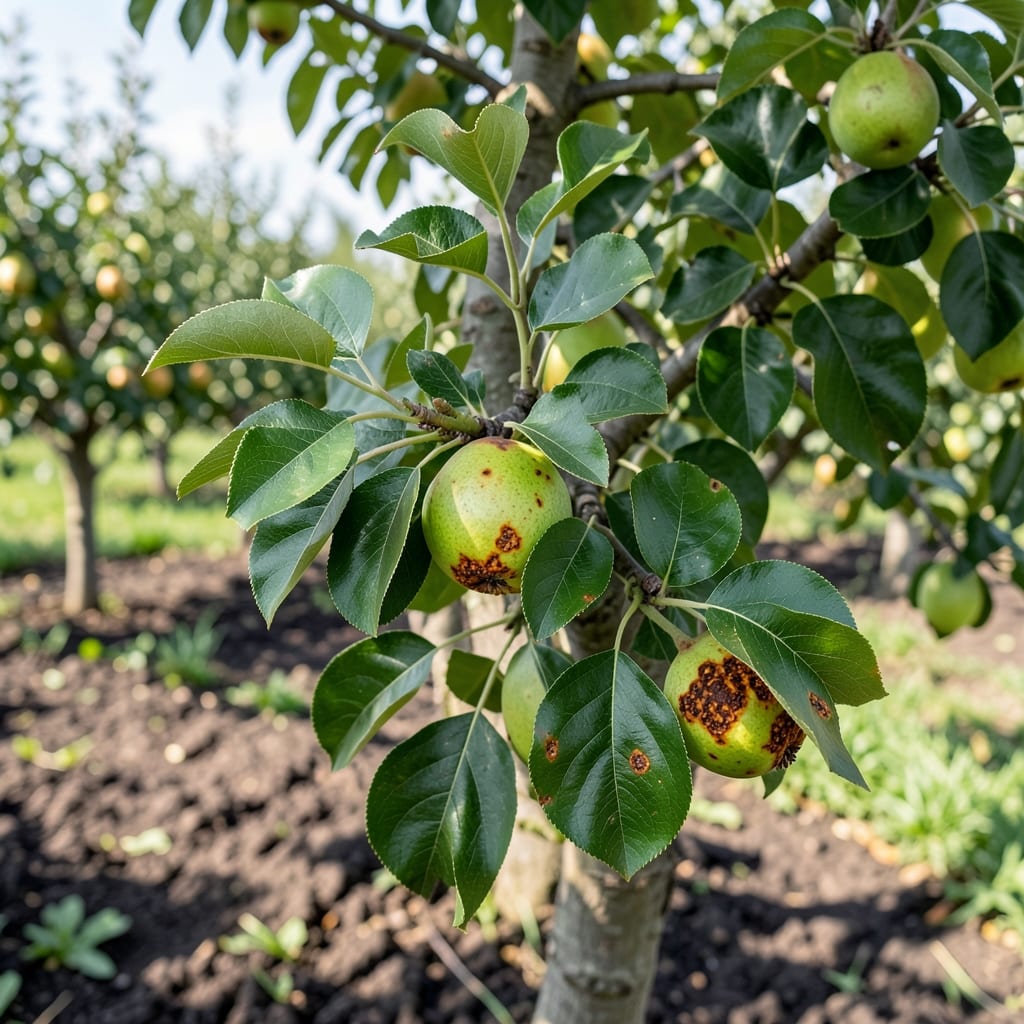
Spotted orange splotches on your pear leaves? That’s likely pear rust, a fungal party crasher that spreads fast if ignored.
I first noticed it on my dwarf Bartlett—tiny yellow spots that turned rusty in 48 hours. Left unchecked, it weakens trees and ruins fruit before you even see the damage.
Early action saves the season. Remove infected leaves immediately, and don’t compost them. The spores overwinter on juniper hosts, so breaking that cycle is your first defense.
With the right approach, you’ll see healthy foliage return by next spring. No fancy equipment needed—just vigilance and a few simple tools.
Rust on pears is primarily caused by fungal pathogens, with Gymnosporangium sabinae (pear rust) being the most common culprit. This disease thrives under specific environmental conditions and can spread rapidly if left unchecked. Below are the key causes, explained scientifically to help you understand and address the issue.
Fungal spores require wet conditions to germinate and infect pear trees. Prolonged rain, high humidity, or overhead irrigation create the perfect breeding ground for rust. The fungus releases spores from alternate hosts (like juniper plants) during wet spring weather, which then land on pear leaves, fruits, or twigs. Prevention tip: Improve air circulation and avoid watering late in the day to reduce moisture retention.
Pear rust fungi depend on juniper species (e.g., Juniperus sabina) as alternate hosts to complete their life cycle. Spores produced on junipers in wet conditions travel via wind to pear trees, initiating infection. If junipers are present near your orchard, the risk of rust increases significantly. Actionable step: Remove nearby juniper plants or treat them with fungicides to break the disease cycle.
Cool to moderate temperatures (50–75°F or 10–24°C) paired with moisture accelerate spore germination. Spring and early summer are high-risk periods because these conditions align with pear tree growth stages. Sudden temperature drops can also stress trees, making them more susceptible to infection. Pro tip: Monitor weather forecasts and apply preventive fungicides (e.g., copper-based) during vulnerable periods.
Fallen leaves, infected fruits, or pruning debris left on the ground harbor fungal spores, which can overwinter and reinfect trees the following season. Rust spores can survive in plant debris for months, waiting for favorable conditions. Solution: Regularly remove and destroy infected plant material, and practice thorough orchard cleanup in late fall and early spring.
Rust on pears can be managed effectively with the right approach. Here’s how to tackle each cause and prevent future outbreaks.
If rust is caused by fungal spores, prune infected branches immediately to stop the spread. Dispose of the clippings in sealed bags—never compost them. Apply a copper-based fungicide or neem oil to the tree, following label instructions. Repeat every 7–10 days until the rust clears. Prevention tip: 💡 Improve air circulation by thinning branches and avoiding overhead watering.
Rust thrives in damp conditions. Space trees at least 10 feet apart to reduce moisture buildup. Water at the base of the tree in the morning so foliage dries quickly. Prevention tip: 🌿 Use a drip irrigation system to keep leaves dry. Mulch around the base to prevent soil splashing onto leaves.
Fallen leaves and debris harbor rust spores. Rake and remove all plant litter from under the tree in late fall and early spring. Disinfect pruning tools with rubbing alcohol between cuts. Prevention tip: ✨ Apply a layer of fresh mulch annually to suppress spores in the soil.
A stressed tree is more vulnerable. Fertilize in early spring with a balanced formula to strengthen growth. Ensure the tree gets full sun (6+ hours daily) and consistent watering. Prevention tip: 💪 Plant rust-resistant pear varieties like ‘Kieffer’ or ‘Moonglow’ for long-term protection.
Act fast at the first sign of rust—early intervention keeps your pear tree healthy and productive!
Yes, pear rust often requires juniper plants to complete its life cycle. Remove nearby junipers or treat them to break the cycle and prevent reinfection.
Without treatment, rust can weaken trees within 2-3 weeks, reducing fruit quality. Early action prevents long-term harm.
Yes! Varieties like ‘Kieffer’ and ‘Moonglow’ show strong resistance. Plant these for fewer issues and healthier harvests.
The fruit itself remains edible, but rust weakens the tree over time. Remove and destroy infected fruit to protect future harvests.