
Beautiful Plants For Your Interior
Beautiful Plants For Your Interior
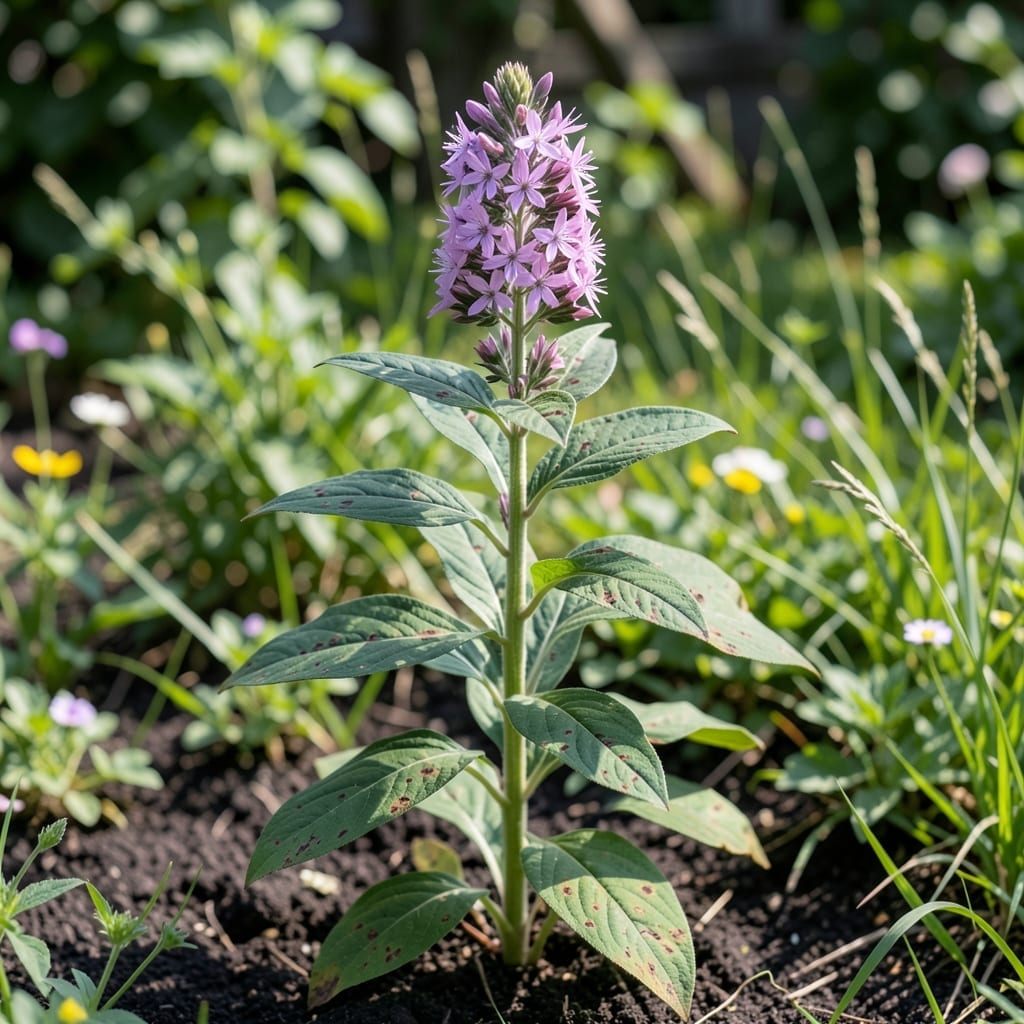
Yellow spots on milkweed leaves always catch me off guard. I first noticed rust last summer—tiny orange pustules that spread fast if ignored.
This fungal issue thrives in wet conditions, often when plants stay damp too long. The good news: organic treatments work without harsh chemicals. Remove infected leaves first to stop the spread.
With consistent care, your milkweed bounces back stronger and healthier. I’ve saved every plant I’ve treated this way.
Early action prevents it from returning next season. Here’s how to keep your milkweed thriving.
Rust on milkweed is a common fungal issue that can weaken your plants if left unchecked. Understanding the root causes helps you prevent and treat it effectively. Below are the primary reasons this problem arises:
Fungal spores thrive in damp conditions. Overwatering, poor drainage, or high humidity create the perfect environment for rust to develop. Milkweed leaves that stay wet for extended periods are especially vulnerable. To combat this, water at the base of the plant and avoid overhead irrigation.
Crowded plantings or dense foliage restrict airflow, trapping moisture on leaves. This stagnant environment encourages rust spores to settle and multiply. Space milkweed plants appropriately and prune overgrown areas to improve ventilation.
Rust fungi can overwinter in fallen leaves or dead plant material. If not removed, these remnants release spores in the spring, reinfecting new growth. Always clean up garden debris, especially around milkweed, to break the fungal lifecycle.
Cool, wet springs followed by warm summers create ideal conditions for rust. The fungus spreads rapidly when temperatures range between 60–75°F (15–24°C) with high humidity. Monitor weather patterns and act preemptively during these transitional periods.
Rust on milkweed can be frustrating, but with the right approach, your plants can bounce back. Here’s how to tackle the most common causes and restore your milkweed’s health.
Trim overcrowded leaves and stems to allow better airflow between plants. Space milkweed at least 18–24 inches apart to reduce humidity buildup, which rust fungi love. If growing in containers, move pots to a breezier location.
Prevention tip: 💡 Avoid overwatering and water at the base of the plant to keep foliage dry.
Water early in the morning so leaves dry quickly in the sun. Use a soaker hose or drip irrigation to keep moisture off the leaves. If rust spots appear, remove affected leaves immediately and dispose of them away from the garden to prevent spores from spreading.
Prevention tip: ✨ Mulch around the base to reduce soil splashing onto leaves during rain.
If rust persists, the soil may harbor spores. Remove the top inch of soil around the plant and replace it with fresh, sterile potting mix. For organic treatment, apply neem oil or a baking soda spray (1 tsp baking soda + 1 quart water + a drop of dish soap) to the soil and leaves every 7–10 days.
Prevention tip: 🎯 Rotate planting locations yearly to avoid soil-borne fungi buildup.
Strengthen milkweed with balanced organic fertilizer or compost tea to improve its natural defenses. Avoid high-nitrogen fertilizers, which can promote lush, susceptible growth. Prune regularly to remove weak or diseased stems.
Prevention tip: 🌡️ Ensure plants get full sun (6+ hours daily) for optimal health.
Look for small yellow or orange pustules on the undersides of leaves. These may turn brown or black as the infection progresses. Leaves often yellow and drop prematurely.
Yes, rust spores can spread via wind, water, or garden tools. Isolate infected plants and sanitize tools after use. Avoid overhead watering to minimize spore dispersal.
Remove all affected leaves and stems immediately. Apply organic fungicides like neem oil weekly. If the plant doesn’t recover in 2-3 weeks, consider replacing it to protect others.