
Beautiful Plants For Your Interior
Beautiful Plants For Your Interior
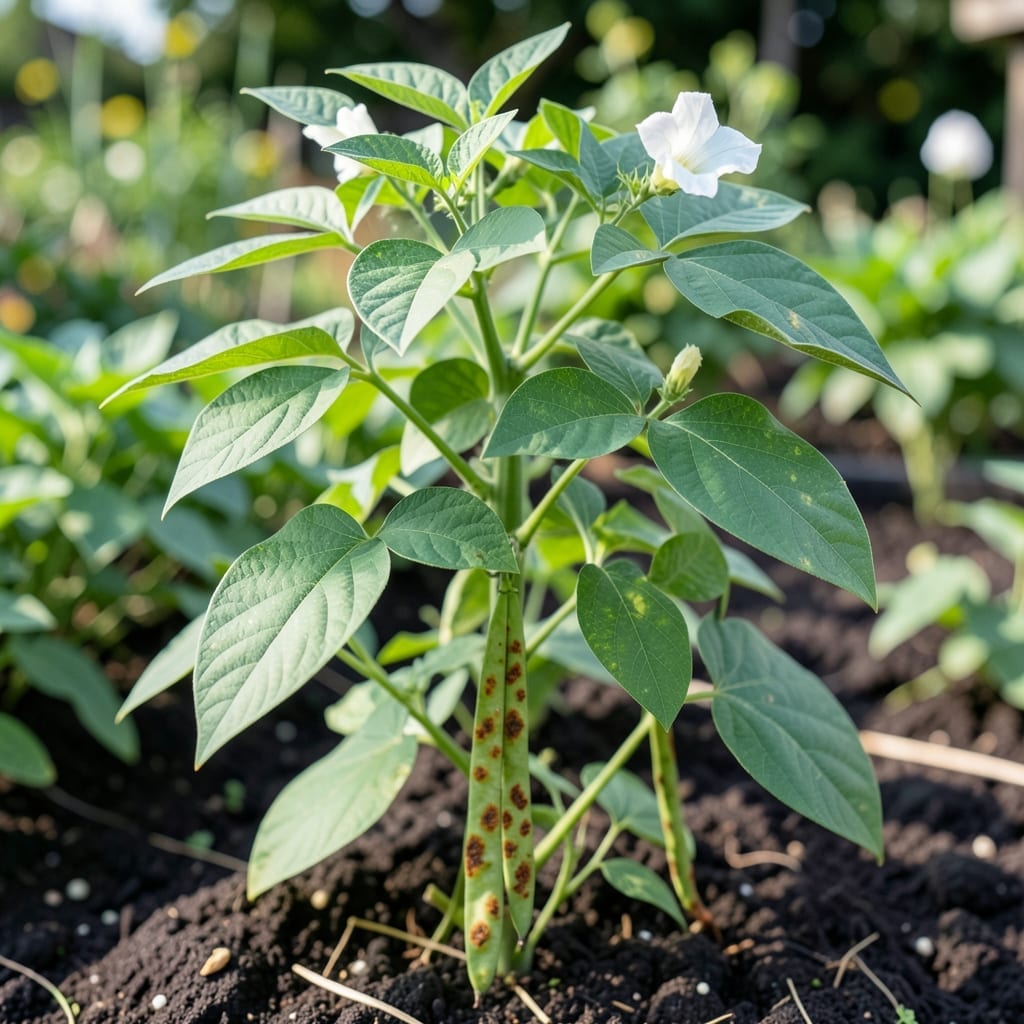
Spotted rust-colored patches on your bean leaves? This fungal issue spreads fast in wet, warm conditions, and I’ve seen it wipe out entire crops if left unchecked.
It starts as small yellow spots that turn orange-brown, often on the undersides of leaves. The good news? Catching it early means you can stop it before it ruins your harvest.
I’ve tested organic sprays like neem oil and copper fungicides with solid results. Removing infected leaves immediately helps prevent the fungus from spreading to healthy plants.
Prevention is simpler than treatment—space plants properly, water at the base, and avoid overhead irrigation. A little attention now saves your bean patch later.
Rust on beans is primarily caused by fungal pathogens, with Uromyces appendiculatus being the most common culprit. This fungus thrives in specific environmental conditions, leading to the unsightly orange-brown pustules on leaves, stems, and pods. Below are the key causes, broken down for clarity:
Rust fungi require prolonged leaf wetness to germinate and infect plants. High humidity (above 80%) or frequent rainfall creates the perfect breeding ground. Water on plant surfaces for 6–12 hours allows spores to take hold, especially in crowded plantings with poor air circulation.
The fungus flourishes in mild to warm temperatures (60–77°F or 15–25°C). These conditions accelerate spore production and infection rates. Beans grown in regions with warm, damp climates or during seasons with fluctuating temperatures are particularly vulnerable.
Rust can overwinter in infected plant debris or contaminated seeds. Using non-certified or saved seeds from a previous infected crop increases the risk. The fungus can also persist in soil, ready to infect new plantings if rotation practices are inadequate.
Dense plant spacing or overhead irrigation restricts airflow, keeping foliage wet longer. Stagnant air allows spores to settle and germinate, spreading rust more aggressively across the crop.
Some bean varieties lack genetic resistance to rust. Planting heirloom or non-resistant cultivars without preventive measures almost guarantees infection under favorable conditions for the fungus.
Rust on beans can be frustrating, but with the right approach, you can restore your plants to good health. Below are targeted solutions for common causes, along with prevention tips to keep your bean plants thriving. 🌱
If rust is caused by overwatering or poor drainage, start by adjusting your watering schedule. Beans need consistent moisture but dislike soggy soil. Fix: Water at the base of the plant in the morning to allow foliage to dry quickly. Use drip irrigation or soaker hoses to avoid wetting the leaves. For potted beans, ensure containers have drainage holes.
Prevention tip: 💡 Mulch around the base to retain moisture without over-saturating the soil.
Crowded plants trap humidity, creating ideal conditions for rust. Fix: Thin out seedlings to ensure proper spacing (2–4 inches apart for bush beans, 4–6 inches for pole beans). Prune dense foliage to improve airflow, especially in the center of the plant.
Prevention tip: 🌬️ Plant beans in a location with good air movement or use a small fan in greenhouses.
If rust spots appear, act fast to prevent spreading. Fix: Remove infected leaves or plants and discard them (do not compost). Apply a copper-based fungicide or neem oil spray to remaining plants, following label instructions. Repeat every 7–10 days until the issue resolves.
Prevention tip: ✨ Rotate crops yearly to avoid fungal buildup in the soil.
Stressed or malnourished plants are more susceptible to rust. Fix: Fertilize with a balanced, low-nitrogen product to strengthen plant health. Avoid over-fertilizing, which can promote leafy growth at the expense of disease resistance.
Prevention tip: 💪 Choose rust-resistant bean varieties like ‘Provider’ or ‘Blue Lake’ for future plantings.
With these steps, you can tackle rust head-on and keep your bean plants productive and vibrant! 🌟
Yes, rust spores travel easily via wind, water, or garden tools. Remove infected leaves immediately and avoid working with wet plants to prevent spreading.
Severe infections can weaken plants and reduce yields, but early treatment with fungicides or neem oil can save them. Act at the first sign of orange pustules.
The fungus doesn’t affect the edibility of beans, but heavily damaged plants may produce fewer, lower-quality pods. Harvest and wash beans thoroughly before eating.
Rotate crops, plant rust-resistant varieties, and space plants for airflow. Avoid overhead watering and clean up garden debris in fall to remove spores.