
Beautiful Plants For Your Interior
Beautiful Plants For Your Interior
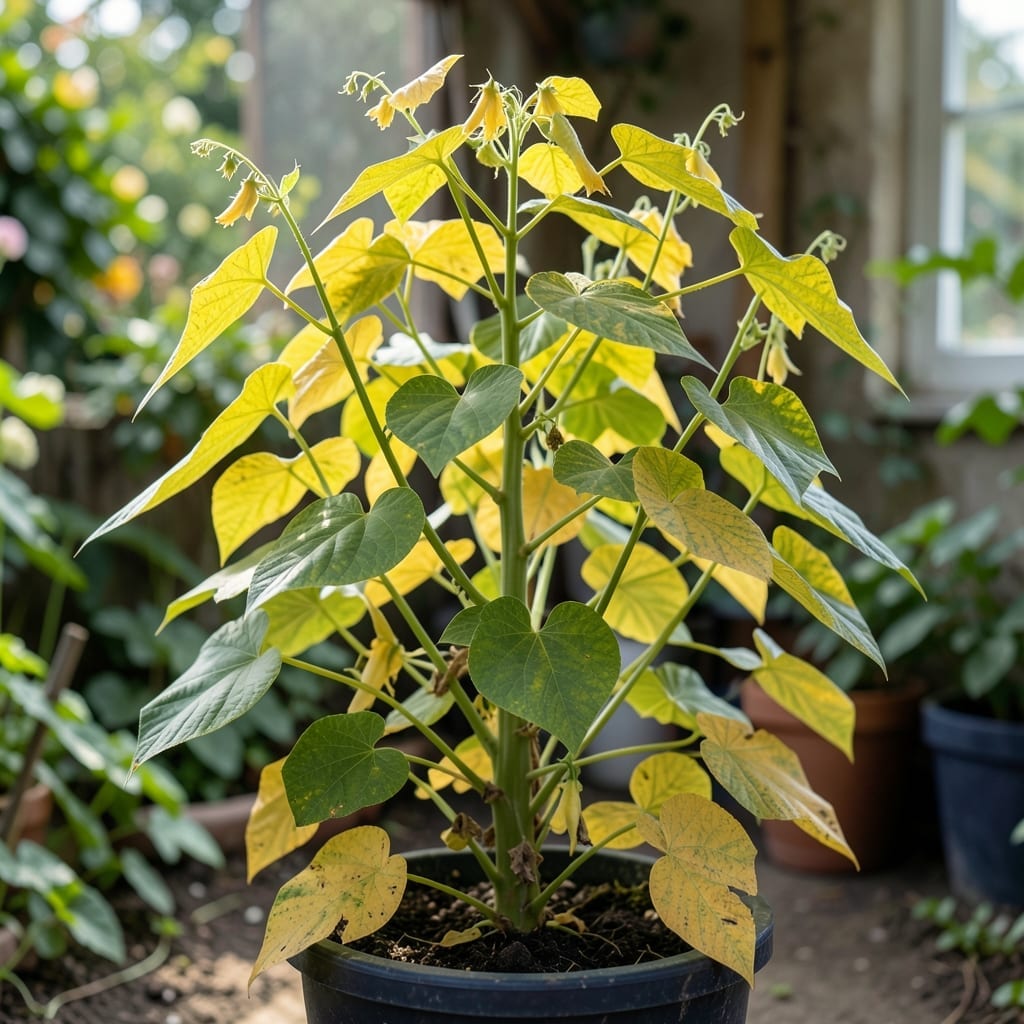
Yellow leaves on pole beans signal trouble, but it’s often fixable. I’ve seen this happen mid-season when plants look healthy one day and stressed the next.
Early detection is key—check roots, leaves, and watering habits first. With simple tweaks, you can restore vibrant green growth and save your harvest.
Short list. Fix yellow leaves fast with these garden basics.
| Ingredient | Amount | Notes |
|---|---|---|
| pH Test Kit 🌡️ | 1 piece | Soil acidity check |
| Organic Compost 🌾 | 1 bag | Balanced nutrient boost |
| Neem Oil 💧 | 1 piece | Natural pest control |
| Watering Can 💧 | 1 piece | Even moisture distribution |
| Mulch 🪵 | 1 bag | Straw or wood chips |
| Balanced Fertilizer 🧪 | 1 lb | Organic 5-5-5 NPK |
| Pruning Shears ✂️ | 1 piece | Remove damaged leaves |
| Companion Plants 🌼 | 2 pieces | Marigolds or nasturtiums |
[recipe_ingredient_scaler]
The pH test kit is your first stop—pole beans prefer 6.0-7.0. Grab one at Home Depot or any garden center for under $10. Organic compost from local farms (the good stuff, not the bagged-up dirt from a sale) works better than synthetic. I always keep a bag on hand for mid-season boosts.
No neem oil? Insecticidal soap handles pests too. Mulch can be grass clippings or leaves if you’re out of straw. Skip synthetic fertilizers—organic options won’t burn stressed roots. Companion plants like marigolds repel pests (worth the extra dollar).
Store neem oil in a cool, dark place—it lasts 2 years. Fertilizer keeps indefinitely if sealed. I label my pH kit with the test date so I remember to recheck soil monthly during growing season.
Here’s how I address the issue naturally using the materials you already have on hand.
Use the 1 piece pH Test Kit to check your soil’s acidity. Pole beans prefer a slightly acidic to neutral range of 6.0-7.0 pH. If the reading falls outside this, work the 1 bag Organic Compost into the top 6 inches of soil to balance pH and improve nutrient availability.
You’ll notice the compost also enhances drainage, which prevents waterlogged roots—a common cause of yellowing. I always re-test after amending to confirm the adjustment worked before moving forward.
Examine the undersides of leaves for aphids, mites, or whiteflies, which sap nutrients and cause discoloration. If pests are present, mix the 1 piece Neem Oil with water per the label’s instructions and spray evenly using the 1 piece Watering Can. Neem oil disrupts pest life cycles without harming beneficial insects.
Apply in the early morning or late evening to avoid leaf burn from sun exposure. Reapply every 7-10 days until the infestation clears. I’ve found this method works best when paired with the next step for prevention.
Spread the 1 bag Mulch around the base of your plants to retain moisture and regulate soil temperature. This reduces stress that can trigger yellowing. Then, work the 1 lb Balanced Fertilizer lightly into the top 1-2 inches of soil, avoiding direct contact with stems or leaves.
The fertilizer’s 5-5-5 NPK ratio ensures balanced nutrition without overloading nitrogen, which can also cause leaf discoloration. Water thoroughly after application to help nutrients reach the root zone.
Use the 1 piece Pruning Shears to remove any yellow or heavily damaged leaves, as they won’t recover and may harbor disease. Sterilize the blades with rubbing alcohol between cuts to prevent spreading pathogens.
Plant the 2 pieces Companion Plants (marigolds or nasturtiums) near your pole beans. These deter pests and attract pollinators, creating a healthier ecosystem. I space them about 12 inches apart for optimal air circulation and pest protection.
Pole beans thrive in moist but well-drained soil. Overwatering can lead to root rot, which restricts nutrient uptake and causes yellowing leaves. Soggy soil also invites fungal diseases.
Fix: Water only when the top inch of soil is dry. Use a moisture meter or your finger to check. Ensure pots or beds have proper drainage.
Yellow leaves often signal a lack of essential nutrients like nitrogen, magnesium, or iron. Poor soil quality or improper fertilization can starve plants of what they need to stay green and healthy.
Fix: Test your soil and amend with organic compost or a balanced fertilizer. For quick relief, use a foliar spray of Epsom salt (magnesium sulfate) for magnesium deficiency.
Pole beans require at least 6–8 hours of sunlight daily. Insufficient light weakens the plant, reducing its ability to photosynthesize and causing leaves to turn yellow and drop.
Fix: Relocate plants to a sunnier spot or trim nearby trees/shrubs blocking light. If growing indoors, use grow lights to supplement natural sunlight.
Pests like spider mites, aphids, or bean beetles, as well as fungal diseases (e.g., rust or powdery mildew), can stress plants and turn leaves yellow. Early signs are often overlooked until damage is severe.
Fix: Inspect leaves (especially undersides) weekly. Use neem oil or insecticidal soap for pests and remove infected leaves promptly. Improve air circulation to prevent fungal growth.