
Beautiful Plants For Your Interior
Beautiful Plants For Your Interior
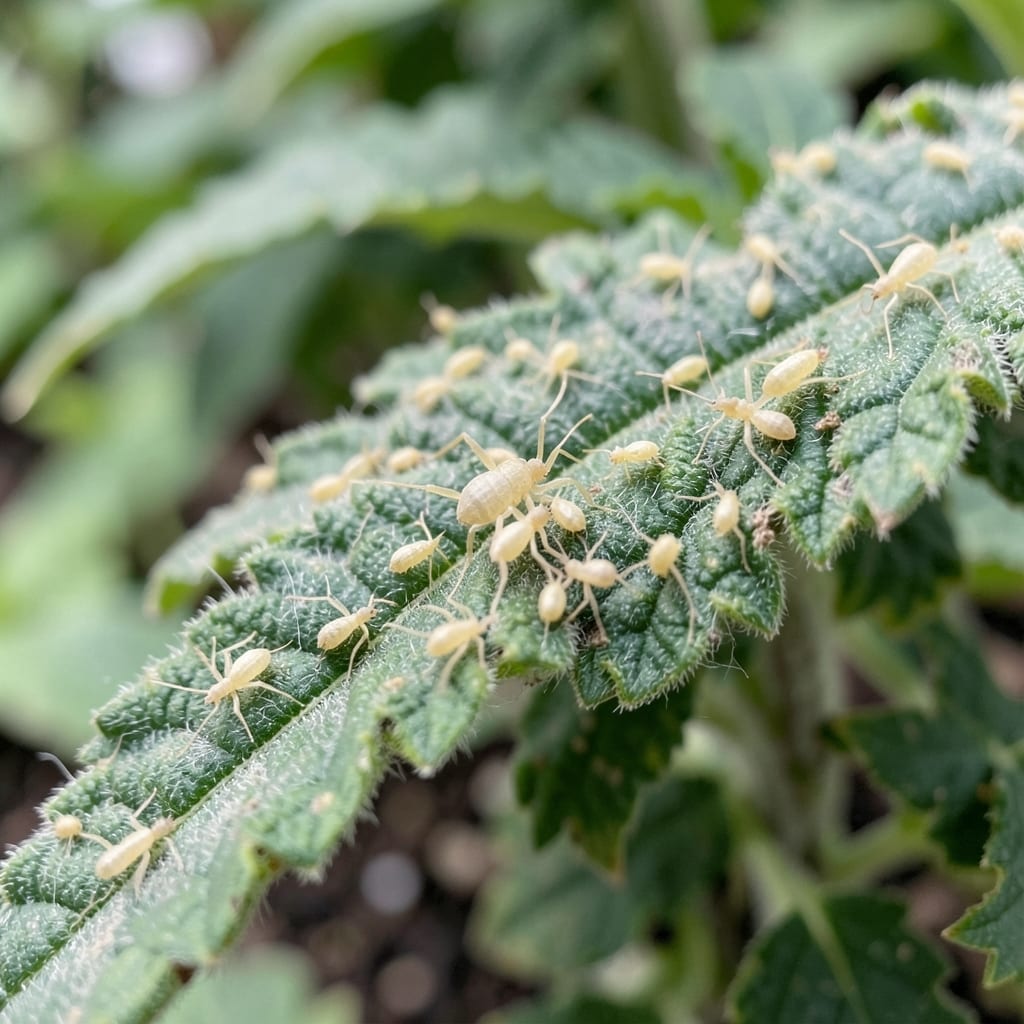
Tiny pests, massive damage. Rust mites can silently wreck cannabis plants before you even notice the yellowing leaves or stunted growth.
I spotted my first infestation too late—3 weeks of subtle leaf curling had already stressed the plants. These microscopic invaders thrive in warm, dry conditions, making them especially sneaky in indoor setups.
Organic treatments work surprisingly well: neem oil, predatory mites, and proper humidity control can turn the tide in 10-14 days. The key is catching them early before they spread.
Works for both indoor and outdoor grows, with prevention being the best defense. Here’s how to spot and stop them for good.
Rust mites thrive in cannabis plants due to specific environmental and biological factors. Understanding these causes helps prevent infestations and protect your crop.
Rust mites flourish in hot, arid environments (75–90°F with low humidity). These conditions accelerate their reproduction, making cannabis plants—especially those in indoor grows or dry climates—vulnerable.
Plants grown too closely together or under stress (e.g., nutrient deficiencies, over-pruning) are more susceptible. Weakened plants emit volatile organic compounds (VOCs) that attract mites.
Stagnant air traps heat and moisture, creating microclimates where rust mites multiply. Lack of ventilation in grow rooms or greenhouses is a common culprit.
Mites hitchhike on unsterilized tools, clothing, or infected clones. Introducing new plants without quarantine can spread infestations rapidly.
Ironically, chemical pesticides can kill beneficial predators (like ladybugs) while rust mites develop resistance. This disrupts natural pest control, allowing populations to explode.
Rust mites can wreak havoc on your cannabis plants, but don’t panic—these practical solutions will help you reclaim your garden’s health. Below, we break down fixes by cause, followed by prevention tips to keep your plants thriving.
If your tools or gardening gear are carrying rust mites, start by sterilizing everything. Use a mixture of 1 part hydrogen peroxide to 4 parts water to soak pruners, pots, and trays for 10 minutes. Rinse and dry thoroughly. For stubborn cases, a rubbing alcohol wipe-down (70% isopropyl) works wonders.
Rust mites target vulnerable plants. Boost plant resilience with neem oil (mix 1 tsp per liter of water) and spray evenly on leaves, focusing on the undersides where mites hide. Repeat every 5–7 days for 3 weeks. Pair this with a balanced nutrient regimen to strengthen your plants’ natural defenses.
Rust mites thrive in dry, hot environments. Combat this by increasing humidity to 50–60% with a humidifier or pebble tray. Ensure good airflow with oscillating fans to disrupt mite movement. If growing indoors, lower temperatures slightly (70–75°F) to slow their reproduction.
With consistency, your cannabis plants will bounce back—stronger and mite-free!
Look for yellowing or bronzing on leaf edges and stunted growth. Tiny mites may be visible under magnification on the undersides of leaves.
Spray every 5–7 days for 3 weeks to break the life cycle. Always coat leaf undersides where mites hide.
Yes, Phytoseiulus persimilis can wipe out populations in 2–3 weeks if introduced early. They work best in 70–80°F with moderate humidity.
Incomplete treatment or reinfestation from tools/clones causes recurrence. Sterilize gear and quarantine new plants for 7–10 days.