
Beautiful Plants For Your Interior
Beautiful Plants For Your Interior
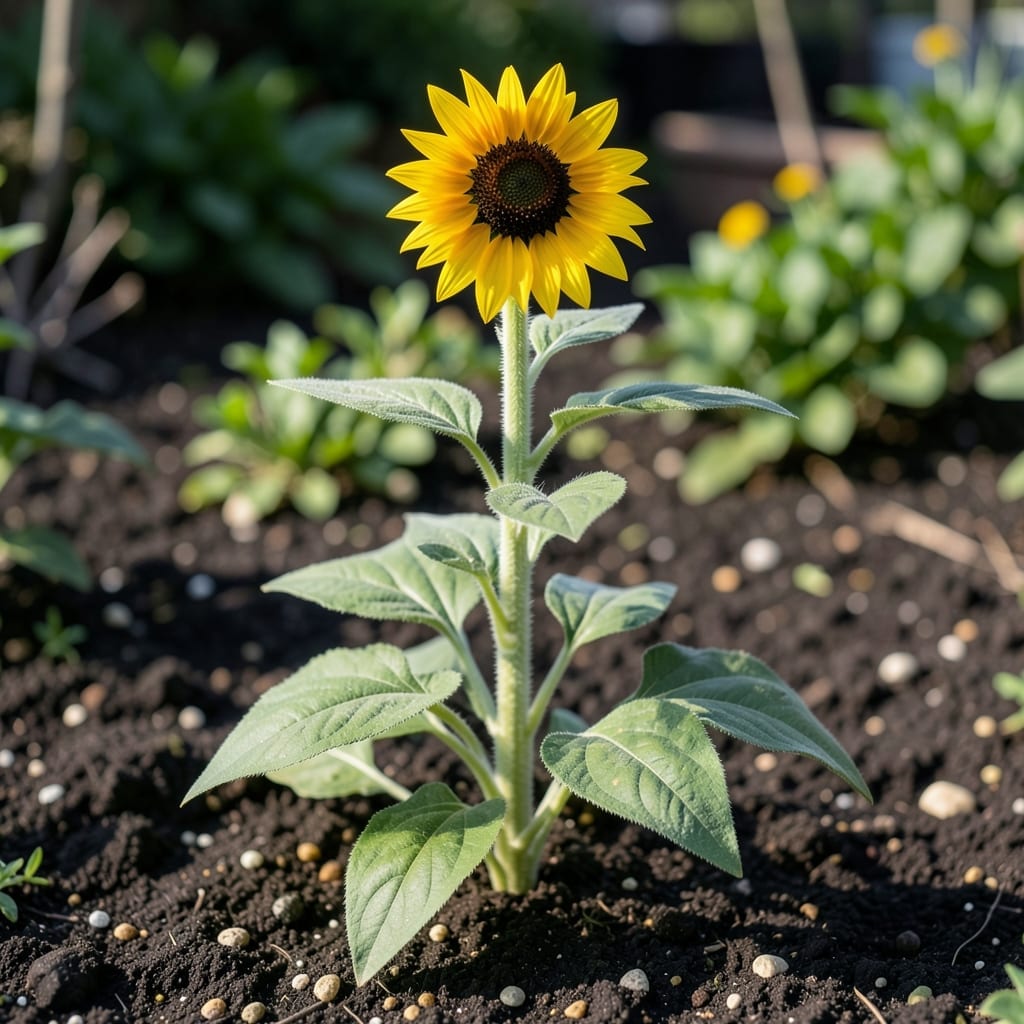
Those fuzzy white leaves on your rudbeckia aren’t always bad news. I’ve seen this exact pattern before—sometimes it’s just the plant’s natural texture, but other times it signals trouble brewing under the surface.
Check for powdery mildew‘s telltale white coating or spider mites weaving tiny webs. The fix often starts with better airflow and a spray of neem oil, but first you need to confirm which issue you’re dealing with.
📚 In This Guide
Here’s the method I use to identify and fix fuzzy leaf issues on rudbeckia quickly and naturally.
Start by examining both sides of the leaves for white or grayish fuzz, which often signals downy mildew. I always use a hand lens to check for tiny fungal structures that look like fine threads. Look at the undersides first—that’s where downy mildew usually appears.
Check the stems as well. If the fuzz is dense and white, it might be powdery mildew instead. Don’t confuse this with the plant’s natural fine hairs, which are sparse and evenly distributed. You’ll notice the difference when you compare healthy and affected leaves side by side.
Also, watch for yellowing or browning on the upper leaf surfaces, which often accompanies the fuzzy growth below.
Poor airflow is the most common cause of fuzzy leaf growth in rudbeckia. Thin out crowded plants so each has 12-18 inches of space around it. I cut back any overlapping branches or nearby foliage that blocks air movement.
If the rudbeckia is in a dense garden bed, consider staking or dividing the clump to open it up. You’ll see improvement within 7-10 days as the foliage dries faster after rain or watering. Keep the area around the base clear of fallen leaves or debris that traps moisture.
Water at the base of the plant in the morning so leaves dry quickly in the sunlight.
Mix 1 tablespoon of baking soda and 1 teaspoon of mild liquid soap in 1 gallon of water for a safe, effective spray. I apply this to both sides of the leaves and the stems, focusing on the fuzzy areas. Spray in the early morning or late evening to avoid leaf burn.
Repeat every 7-10 days or after rain until the fuzz disappears. For severe cases, I use a copper-based fungicide as a last resort, but natural options work for most mild to moderate infections. Always test a small area first to check for sensitivity.
Remove any heavily affected leaves and destroy them—don’t compost, as this can spread the fungus.
Rudbeckia thrives in full sun, but too much shade can create damp conditions that encourage fuzzy growth. Ensure the plant gets at least 6-8 hours of sunlight daily. If it’s in a shady spot, consider transplanting it to a sunnier location.
Water deeply but infrequently, aiming for 1 inch per week, and always at the base. Overhead watering wets the leaves and promotes fungal growth. I use a soaker hose or drip irrigation to keep the foliage dry.
If the plant is in a container, make sure the pot has drainage holes to prevent waterlogging.
After treating the fuzzy leaves, boost the plant’s health to prevent recurrence. Apply a balanced, slow-release fertilizer to improve vigor. I avoid high-nitrogen fertilizers, as they promote lush growth that’s more susceptible to disease.
Mulch around the base with 2-3 inches of organic matter like straw or shredded leaves to reduce soil splashing onto leaves. This also helps retain moisture at the roots while keeping the foliage dry. Clean up garden debris regularly to remove potential fungal spores.
Finally, choose resistant rudbeckia varieties like ‘Goldsturm’ or ‘Herbstsonne’ for future plantings.
These simple adjustments can prevent fuzzy leaf problems before they start.
Inspection Pro Tip: In Step 1, use a hand lens to examine the undersides of leaves first—that’s where downy mildew typically appears. I’ve found this saves time compared to checking the tops first, and you’ll spot the white or grayish fuzz earlier.
Airflow Hack: When thinning plants in Step 2, aim for that 12-18 inches of space around each rudbeckia. Confession: I skipped this for years and wondered why my plants kept getting fuzzy. The improvement within 7-10 days after fixing airflow is noticeable.
Treatment Timing: For the natural fungicide in Step 3, spraying in the early morning or late evening prevents leaf burn. I repeat the application every 7-10 days, or after rain, to stay ahead of the problem. Always test a small area first, as some plants can be sensitive.
Watering Wisdom: In Step 4, watering at the base in the morning ensures leaves dry quickly. I learned the hard way that overhead watering, even with the right amount, can promote fungal growth by keeping foliage damp too long.
Fuzzy rudbeckia leaves often signal downy mildew, a fungal disease thriving in cool, damp conditions. The white, downy growth on undersides is a classic sign. Improve air circulation and avoid overhead watering to prevent it.
Yes, if left untreated, downy mildew can weaken the plant, reduce blooming, and spread to nearby plants. Act quickly with natural fixes like neem oil or copper-based fungicides to protect your garden.
Treat at the first sign of fuzziness, ideally in early morning or late evening to avoid sunburn on leaves. Consistent prevention (like proper spacing) is key, especially during cool, wet weather.
Absolutely! A baking soda solution (1 tsp per quart of water + a drop of soap) or milk spray (1:9 milk-to-water ratio) can help. Apply weekly until the issue resolves.
Space plants 18–24 inches apart, water at the base, and remove affected foliage promptly. Clean up garden debris in fall to reduce overwintering spores.