
Beautiful Plants For Your Interior
Beautiful Plants For Your Interior
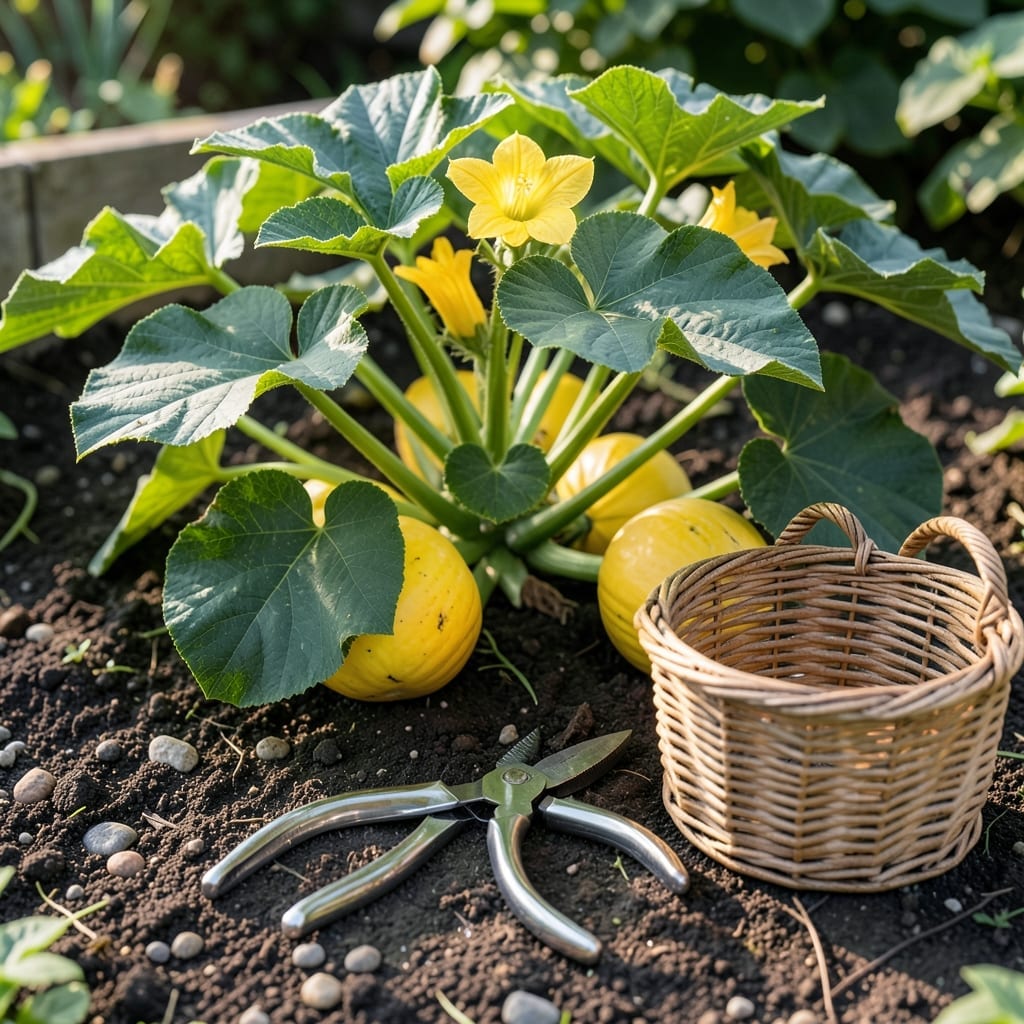
I fell for round flat yellow squash the first time I grew it. These cheerful, disk-shaped fruits taste sweeter than zucchini and look stunning on the vine.
They thrive in full sun with well-draining soil, producing abundantly with minimal fuss. I’ve harvested 10-15 squash from a single healthy plant in a good season.
Water consistently at the base, not the leaves, to prevent disease. The plants grow fast—you’ll see flowers in 4-6 weeks and squash ready to pick shortly after.
Perfect for small gardens or containers, they’ll keep your kitchen stocked all summer. Here’s how to grow them right.
Understanding why round flat yellow squash develops its unique shape and color involves a mix of genetics, environmental factors, and growth conditions. Here’s a breakdown of the primary causes:
Many round, flat squash varieties, like Pattypan or Scallop squash, are bred specifically for their distinct shape. These heirloom or hybrid varieties carry genes that promote a flattened, disc-like growth pattern rather than the elongated form of other squash types. If you’re growing a variety labeled as “button” or “custard,” the round, flat shape is intentional and expected.
Even within a single plant, squash shape can vary based on space and support. When the fruit rests flat on the soil without obstruction, gravity encourages a wider, flatter growth. Conversely, squash growing in crowded conditions or on trellises may develop a more elongated or irregular shape. Ensuring ample space between plants (about 24–36 inches) helps maintain the classic round, flat form.
Inconsistent watering or nutrient deficiencies can also alter squash shape. Drought stress may cause the fruit to grow unevenly, while excess nitrogen can lead to overly leafy plants with smaller, misshapen squash. Maintain consistent moisture (1–1.5 inches per week) and balanced fertilization (10-10-10 or compost) to support uniform growth.
Poor pollination can result in deformed squash. If bees and other pollinators are scarce, fruits may develop unevenly or abort early. To improve pollination, plant pollinator-friendly flowers nearby or hand-pollinate by transferring pollen from male to female blossoms using a small brush.
Growing round, flat, yellow squash can come with a few hiccups, but most problems have simple fixes. Below are the most common issues and how to solve them, with prevention tips to keep your harvest thriving.
If leaves turn yellow, your squash may need better drainage or nutrients. Fix it: Test soil pH (aim for 6.0–6.8) and amend with compost. Water at the base in the morning to avoid fungal growth. Prevent it: Use mulch to retain moisture and add organic fertilizer every 3–4 weeks. 💡 Pro tip: Avoid wetting the leaves to reduce disease risk.
Squash bugs and vine borers love these plants. Fix it: Handpick pests early or spray neem oil. For vine borers, wrap stems in aluminum foil to block entry. Prevent it: Rotate crops yearly and plant companion herbs like basil or nasturtiums to repel insects. ✨ Bonus: Row covers work great for young plants.
Small or misshapen squash often means pollination failed. Fix it: Hand-pollinate by transferring pollen from male to female flowers with a small brush. Prevent it: Attract bees by planting pollinator-friendly flowers nearby. Avoid pesticides that harm beneficial insects.
Dark, sunken spots on the squash? It’s likely a calcium deficiency. Fix it: Add crushed eggshells or lime to the soil. Prevent it: Maintain consistent moisture—fluctuations disrupt calcium uptake. Test soil annually for deficiencies.
With these fixes, your garden will be bursting with healthy, golden round squash in no time!
Give each plant 24-36 inches of space for best results. Crowding leads to irregular shapes and poor air circulation.
Pick when the skin is tender and about 3-4 inches wide. Check daily—these grow fast and get tough if left too long.
Yes! Use a 5-gallon pot with drainage. Ensure it gets 6-8 hours of sun daily.
Uneven shapes often mean poor pollination or crowded growth. Hand-pollinate if bees are scarce.