
Beautiful Plants For Your Interior
Beautiful Plants For Your Interior
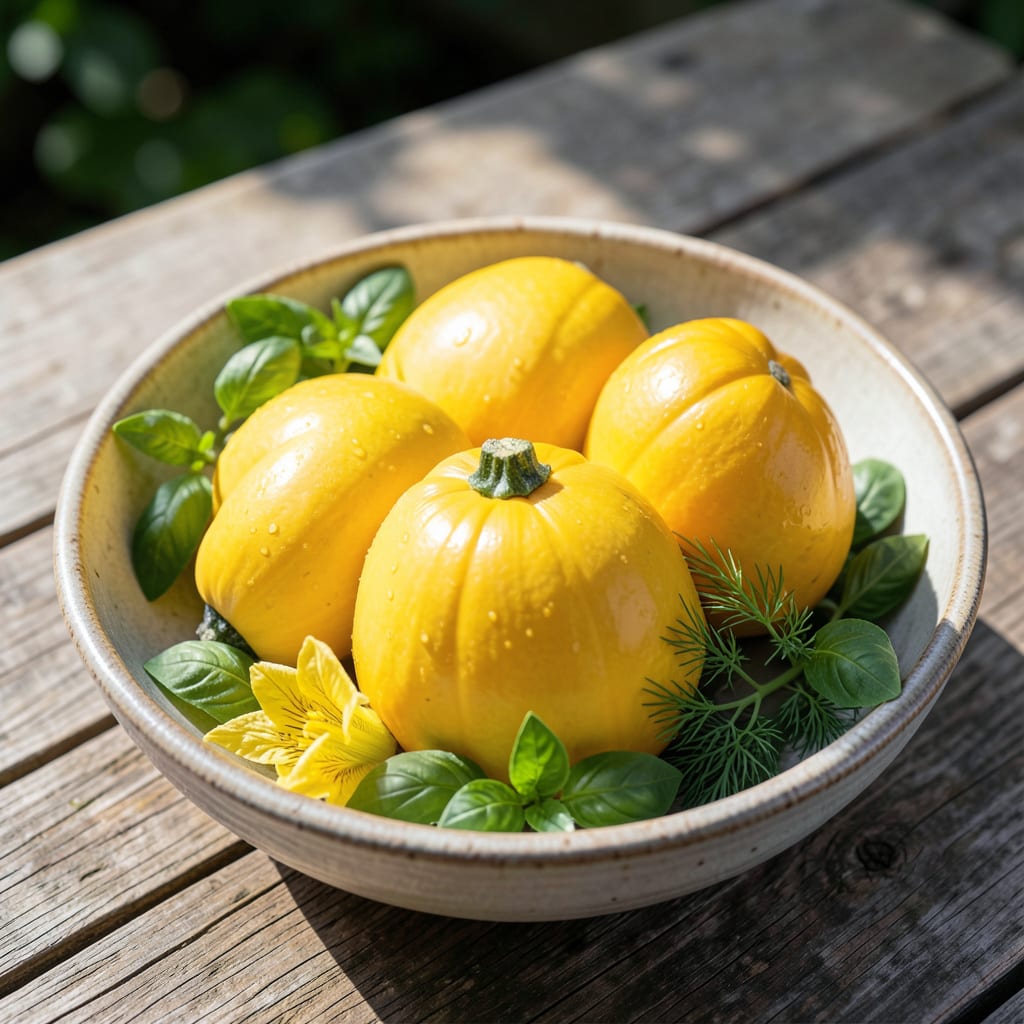
I still remember the first time I spotted those bright yellow orbs hiding under the leaves. Round yellow zucchini delivers all the flavor with a shape that’s easier to stuff and slice.
These plants thrive in full sun with rich soil and consistent moisture. You’ll harvest the first fruits in 45-55 days, and they keep producing until frost if you pick regularly.
📚 In This Guide
This method ensures a bountiful harvest of golden, flavorful squash all season long.
Choose a spot with full sun exposure, as these plants need at least 6-8 hours of direct sunlight daily. The soil should be well-draining and rich in organic matter. I always work a 2-3 inch layer of compost into the top 6 inches of soil before planting to give the roots a nutrient boost.
Space your planting holes 3-4 feet apart to allow enough room for the bushy plants to spread. Each plant can produce 6-10 pounds of squash over the season, so giving them space prevents overcrowding and disease. Test the soil pH—it should be between 6.0 and 7.5 for best results.
If starting from seeds, plant them 1 inch deep and 2-3 seeds per hole, then thin to the strongest seedling once they sprout. For transplants, set them at the same depth they were in their containers. I like to plant in the evening or on a cloudy day to reduce transplant shock.
Water thoroughly after planting, ensuring the soil is evenly moist but not waterlogged. You’ll see the first true leaves appear in 7-10 days if conditions are right. Keep the soil consistently damp until the plants are established—this is critical for strong early growth.
Once established, water deeply 1-2 times per week, giving each plant about 1-2 inches of water total. The key is to water at the base of the plant, not the leaves, to prevent fungal diseases. I check the soil by sticking my finger 1 inch deep—if it feels dry, it’s time to water.
Mulch around the plants with 2-3 inches of organic mulch to retain moisture and suppress weeds. This also keeps the squash clean as they grow. Watch for pests like squash bugs and remove them by hand if you spot them early.
Round yellow zucchini are ready to harvest when they’re 3-4 inches in diameter and the skin is firm and glossy. I start checking daily once the plants begin producing, as they can grow rapidly. Use a sharp knife or pruning shears to cut the squash from the vine, leaving a 1-inch stem attached.
Harvesting regularly encourages the plant to produce more. If you leave squash on the vine too long, the plant may slow or stop production. A single healthy plant can yield 10-15 squash over the season if harvested consistently.
These small adjustments make a big difference in your harvest quality and yield.
Sunlight Priority: The 6-8 hours of direct sunlight mentioned in Step 1 isn’t just a suggestion—it’s essential. I learned this the hard way when my first planting in partial shade produced sparse, leggy plants. If your garden doesn’t get full sun, consider container planting so you can move pots to follow the sunlight throughout the day.
Soil Preparation: When working that 2-3 inch layer of compost into the top 6 inches of soil as Step 1 recommends, take the extra time to really mix it in thoroughly. I’ve found that simply dumping compost on top and planting directly into it creates a barrier that roots struggle to penetrate. The nutrients need to be integrated into the existing soil for best results.
Watering Wisdom: The 1-2 inches of water per week in Step 3 might seem like a lot, but remember this is deep watering. What works for me is using a rain gauge or straight-sided can to measure—most people underestimate how much they’re actually providing. And always water in the morning so foliage dries before evening, reducing disease risk.
Harvest Timing: Those 3-4 inch diameter squash in Step 4 grow shockingly fast—sometimes overnight! I start checking twice daily during peak production. If you find one that’s grown too large, don’t despair. While it won’t be as tender, you can still harvest it, remove the seeds, and use the flesh in baked goods or stir-fries.
Look for firm, glossy skin and a diameter of 4-6 inches. Harvest while young for tender flesh, typically 45-55 days after planting. Overripe squash becomes tough and seedy.
Yes! Young, tender round yellow zucchini can be eaten raw, sliced thin for salads or snacking. Ensure it’s fresh and free of blemishes for the best flavor and texture.
Round yellow zucchini is ball-shaped with a sweeter, nuttier flavor, while regular zucchini is elongated and milder. Both are versatile but round varieties are often preferred for stuffing.
Common causes include poor pollination, over-fertilizing (especially nitrogen), or inconsistent watering. Hand-pollinate if bees are scarce and ensure balanced care for healthy yields.
Try pattypan squash, yellow crookneck squash, or even green zucchini. These alternatives share similar textures and flavors, making them ideal for stuffing or grilling.
