
Beautiful Plants For Your Interior
Beautiful Plants For Your Interior
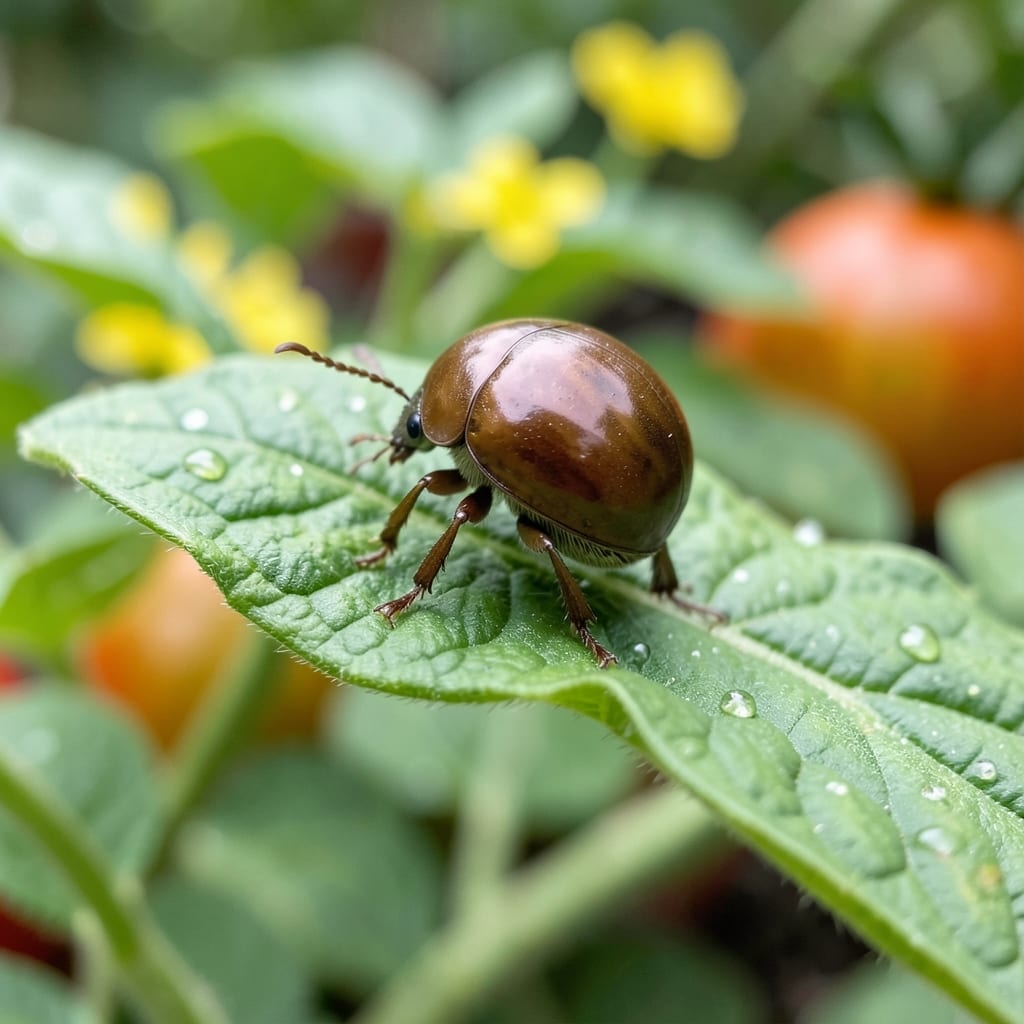
I first spotted them under my zucchini leaves—tiny, round brown bugs clustering like uninvited guests at a picnic. They seemed harmless until my plants started wilting overnight.
Turns out these pests multiply fast and target everything from squash to beans. The damage isn’t always obvious at first, but yellowing leaves and stunted growth appear within days.
Here’s the thing— chemical sprays often do more harm than good. I’ve found that natural prevention and targeted removal work better without risking pollinators or soil health.
With the right approach, you can protect your garden before these bugs take hold. Early action makes all the difference.
The presence of round brown bugs in your home or garden often stems from specific environmental or behavioral triggers. Understanding these causes can help you address the root of the problem effectively.
Many round brown bugs, such as stink bugs or beetles, thrive in outdoor environments rich in vegetation, decaying matter, or moisture. As urban areas expand into natural habitats, these insects may wander indoors seeking shelter, food, or water. Sealing entry points like cracks in walls or gaps around windows can deter them.
Cooler temperatures signal these bugs to seek warmth, often leading them into homes during fall. Species like the brown marmorated stink bug are notorious for this behavior. They may hide in attics, basements, or between walls, awaiting spring. Installing door sweeps and checking firewood before bringing it inside can reduce their access.
Round brown bugs are often drawn to overripe fruits, vegetables, or stored grains. Pantry pests like the drugstore beetle or cigarette beetle infest dried goods, while others feed on garden plants. Storing food in airtight containers and regularly cleaning pantries can minimize this risk.
High humidity levels attract moisture-loving pests such as pill bugs (roly-polies) or certain beetle species. Leaky pipes, damp basements, or poorly ventilated areas create ideal breeding grounds. Using dehumidifiers and fixing leaks can make your space less inviting to these insects.
Dealing with a round brown bug infestation? Here’s how to tackle the most common causes and keep them from coming back.
If these pests are entering your home, use essential oils as a barrier. Peppermint, tea tree, or citrus oils mixed with water in a spray bottle can deter them. Apply along baseboards, windowsills, and entry points. Reapply every few days for best results.
Round brown bugs often thrive in clutter or food residue. Vacuum carpets, upholstery, and cracks thoroughly, then dispose of the bag outside. Wipe down shelves and storage areas with soapy water to remove eggs or larvae. Focus on kitchens, pantries, and damp areas where they’re most likely to hide.
Inspect your home for gaps around pipes, vents, or doors. Use caulk or weatherstripping to seal these openings. Check screens on windows and repair any tears. A small crack is all they need to sneak in!
Many round brown bugs are attracted to humidity. Use dehumidifiers in basements or bathrooms, and fix leaky pipes promptly. Store firewood and organic materials away from your home’s foundation to reduce breeding grounds.
Prevention Tips:
Look for small, dome-shaped insects with hard brown shells clustering on plant leaves or stems. They often move slowly and release an odor when disturbed. Check undersides of leaves for eggs or nymphs.
They love squash, beans, tomatoes, and fruit trees. Some species also attack ornamental plants. Early detection on these favorites can prevent widespread damage.
Most don’t bite but can stain fabrics with their secretions. The brown marmorated stink bug is especially notorious for this. Always handle with gloves to avoid skin irritation.
They’re likely finding food or shelter nearby. Remove garden debris, seal trash cans, and eliminate standing water. Consistent prevention is key to breaking their life cycle.