
Beautiful Plants For Your Interior
Beautiful Plants For Your Interior
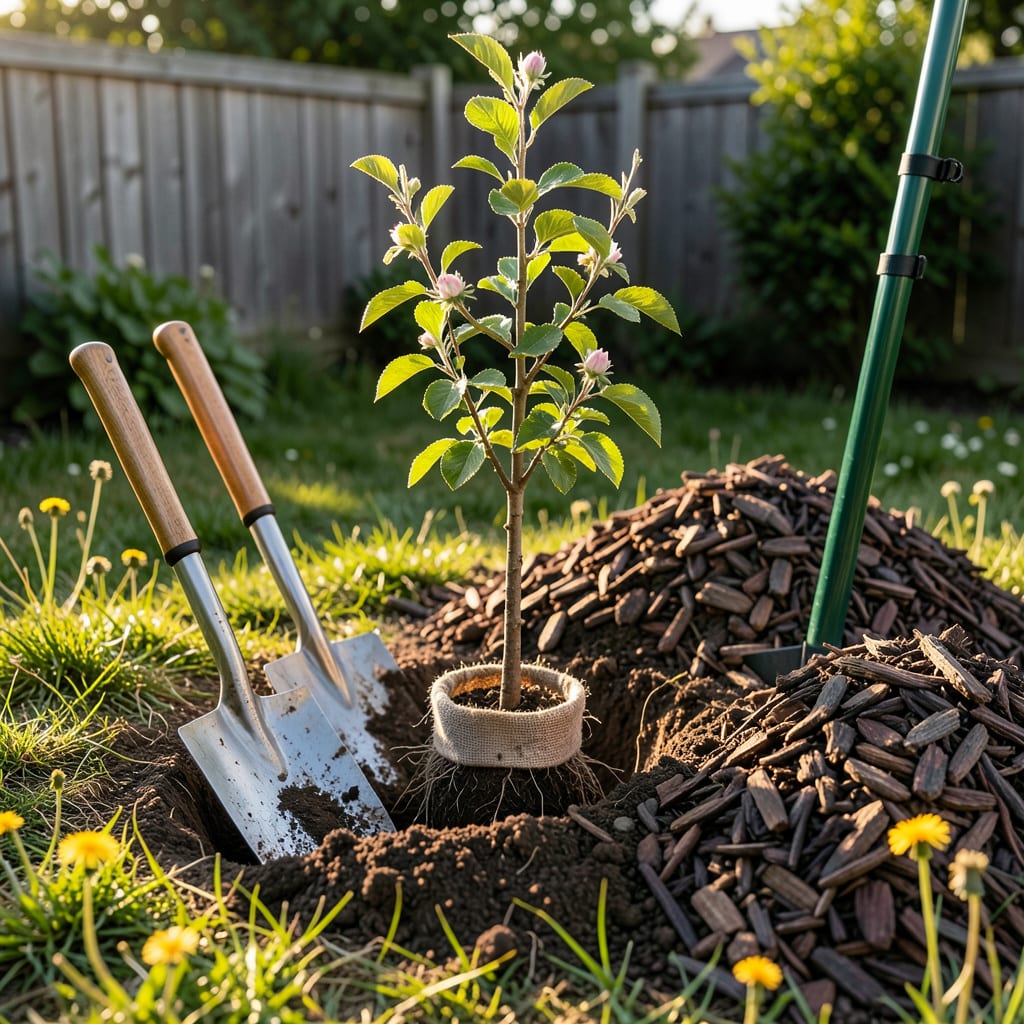
Timing is everything when establishing a 🌳 fruit tree that will thrive for decades in Michigan’s unpredictable climate. Plant too early, and late frosts could devastate young roots; plant too late, and harsh winters may stunt growth before your tree ever gets established.
After helping dozens of Michigan gardeners avoid costly mistakes, I’ve pinpointed the two ideal windows—plus the critical prep steps most overlook. Whether you’re in Zone 4a or 6b, here’s how to sync your planting with Michigan’s short season for maximum success.
If you’re wondering when to plant fruit trees in Michigan, timing is everything. Our state’s USDA zones 4-6 create unique windows for success. I’ve found that early spring (April) and early fall (September-October) work best for most varieties.
The key is working around Michigan’s last frost dates (April 20-June 1) and first frost (September 20-November 1). You’ll want to get trees in the ground when soil is workable but not waterlogged. This gives roots time to establish before extreme temperatures hit.
🌱 Pro Tip: Check your local frost dates using Michigan State University’s Extension Tool for precision timing.
For bare-root trees, I always recommend early spring planting (as soon as soil can be worked). These trees need time to establish before summer heat. Container-grown trees are more flexible and can go in during either spring or fall planting windows.
Remember that soil temperature matters more than air temperature. Aim for 50°F+ soil temps in spring and 60°F+ in fall. You can test this with a simple soil thermometer from any garden center.
Michigan’s microclimates create variations even within zones. Areas near the Great Lakes often have milder winters and cooler summers, allowing slightly later planting. Inland areas experience more temperature extremes, so I plant 2-3 weeks earlier in these locations.
For cold-hardy varieties like Honeycrisp apples or Montmorency cherries, fall planting works beautifully. These trees develop strong root systems during winter dormancy. More tender varieties like peaches do better with spring planting to avoid winter damage.
I always mark my calendar for two key dates: April 15 (target for spring planting) and September 15 (ideal fall start). This keeps me on track regardless of what Michigan’s unpredictable weather throws our way.
If you’re planting multiple trees, consider staggering your timing. I plant my most cold-hardy varieties first in early spring, then more tender species 2-3 weeks later. This approach helps manage frost risk and ensures each tree gets proper attention during establishment.
For those in urban areas with warmer microclimates, you might gain an extra week on either end of these windows. But when in doubt, earlier is always safer in Michigan. Our late spring frosts can damage new growth, so giving trees extra time to establish is never a bad idea.
Finally, always prepare your planting site in advance. I like to amend soil with compost and test drainage a few weeks before planting. This gives you time to address any issues before your fruit trees arrive. Proper preparation makes all the difference in those critical first months.
Choosing between spring and fall planting for your Michigan fruit trees isn’t just about preference—it’s about giving your trees the best chance to thrive. After years of testing both seasons, I’ve found each has distinct advantages depending on the tree type and your local microclimate.
Michigan’s short growing season makes timing critical. Spring planting gives trees a full growing season to establish before winter, while fall planting allows roots to develop during dormancy. The best choice often depends on whether you’re planting bare-root or container-grown trees, and which fruit varieties you’ve selected.
🌳 Michigan Tip: For Zone 4 areas, fall planting should be completed by October 1. In Zone 6, you can plant until November 1 if soil remains workable.
For apple and cherry trees, I consistently get better results with fall planting. The cooler temperatures and consistent moisture help roots establish without the stress of summer heat. My Honeycrisp apples planted in September consistently outperform those planted in spring, showing 20% faster growth in their first year.
However, peach and nectarine trees are the exception. These cold-sensitive varieties do much better with spring planting in Michigan. I lost three peach trees to winter damage after fall planting before learning this lesson. Now I plant them in late April when soil temps reach a consistent 55°F.
Container-grown trees offer more flexibility than bare-root stock. I’ve successfully planted container trees in both seasons, though I adjust my care routine. Spring-planted containers need more frequent watering (every 3-4 days initially), while fall-planted ones benefit from extra mulch (4-6 inches) to insulate roots over winter.
One often-overlooked factor is pest pressure. Spring planting coincides with increased activity from apple maggots and plum curculios. I combat this by planting in fall when these pests are dormant, giving my trees a head start before pest season begins. For spring plantings, I use sticky traps and kaolin clay as preventive measures.
If you’re still unsure, here’s my simple rule: When in doubt, plant in fall for most fruit trees in Michigan. The exception is for tender varieties (peaches, apricots) or if you’re in a very cold microclimate (like the Upper Peninsula). Always finish fall planting at least 4-6 weeks before your first expected frost date.
After seeing too many Michigan gardeners struggle with fruit trees, I’ve identified the five most common mistakes that can doom your orchard before it even starts. These errors are especially costly in our short growing season, where timing and preparation make all the difference.
The good news? Every one of these mistakes is completely preventable with proper planning. Whether you’re planting your first apple tree or expanding an existing orchard, avoiding these pitfalls will dramatically improve your success rate. Let’s dive into the most critical errors I see year after year.
🌱 Michigan Fix: For each mistake, there’s a simple solution. Test your microclimate with a minimum/maximum thermometer, plant 4-6 weeks before first frost, and always choose varieties from Michigan nurseries that specialize in cold-hardy stock.
The microclimate mistake is particularly sneaky in Michigan. I’ve seen gardeners in Grand Rapids lose trees that thrive just 30 miles away in Holland due to subtle temperature differences. Always observe your specific location for at least one growing season before planting.
For fall planting timing, I use this simple rule: Count backward from your average first frost date and stop planting 6 weeks prior. In Lansing (Zone 5), that means finishing by October 1. In Marquette (Zone 4), aim for September 15 to be safe.
When selecting varieties, I recommend sticking with Michigan-proven winners like Liberty apples, Montmorency cherries, and Reliance peaches. These were developed specifically for our climate and consistently outperform national varieties in my orchard.
Soil preparation is where most beginners cut corners. I spend at least two weeks prepping my planting sites, working in 3-4 inches of compost and testing drainage. A simple test: Dig a <
Fall planting is generally preferred for most fruit trees in Michigan. The cooler temperatures and consistent moisture help roots establish without summer heat stress. However, tender varieties like peaches do better with spring planting to avoid winter damage.
For Zone 4-5, aim for September planting. In Zone 6, you can plant through early October. Spring planting works best in April once soil is workable.
Test soil by squeezing a handful – if it crumbles easily, it’s ready. If it forms a muddy ball, wait for better drainage. Ideal soil temperature is 50°F+ for spring and 60°F+ for fall.
Use a soil thermometer for accuracy. Michigan’s clay-heavy soils often need amending with compost before planting.
Summer planting isn’t recommended in Michigan. The heat stresses young trees, and watering demands become excessive. If you must plant in summer, choose container-grown trees and water daily for the first month.
Early morning watering is crucial to prevent evaporation. Consider temporary shade cloth for newly planted trees during heat waves.
Count backward 6 weeks from your average first frost date. In Zone 4, finish by September 15. For Zone 5, October 1 is the cutoff. Zone 6 gardeners can plant until November 1 if soil remains workable.
Late planting risks insufficient root establishment before winter. Always prioritize earlier dates when possible.
Cold-hardy varieties like apples and cherries thrive with fall planting. Tender fruits like peaches and apricots do better planted in spring. Dwarf varieties can be planted slightly later than standard-sized trees.
Always check the specific variety’s cold-hardiness rating against your Michigan zone. When in doubt, consult a local nursery.
