
Beautiful Plants For Your Interior
Beautiful Plants For Your Interior
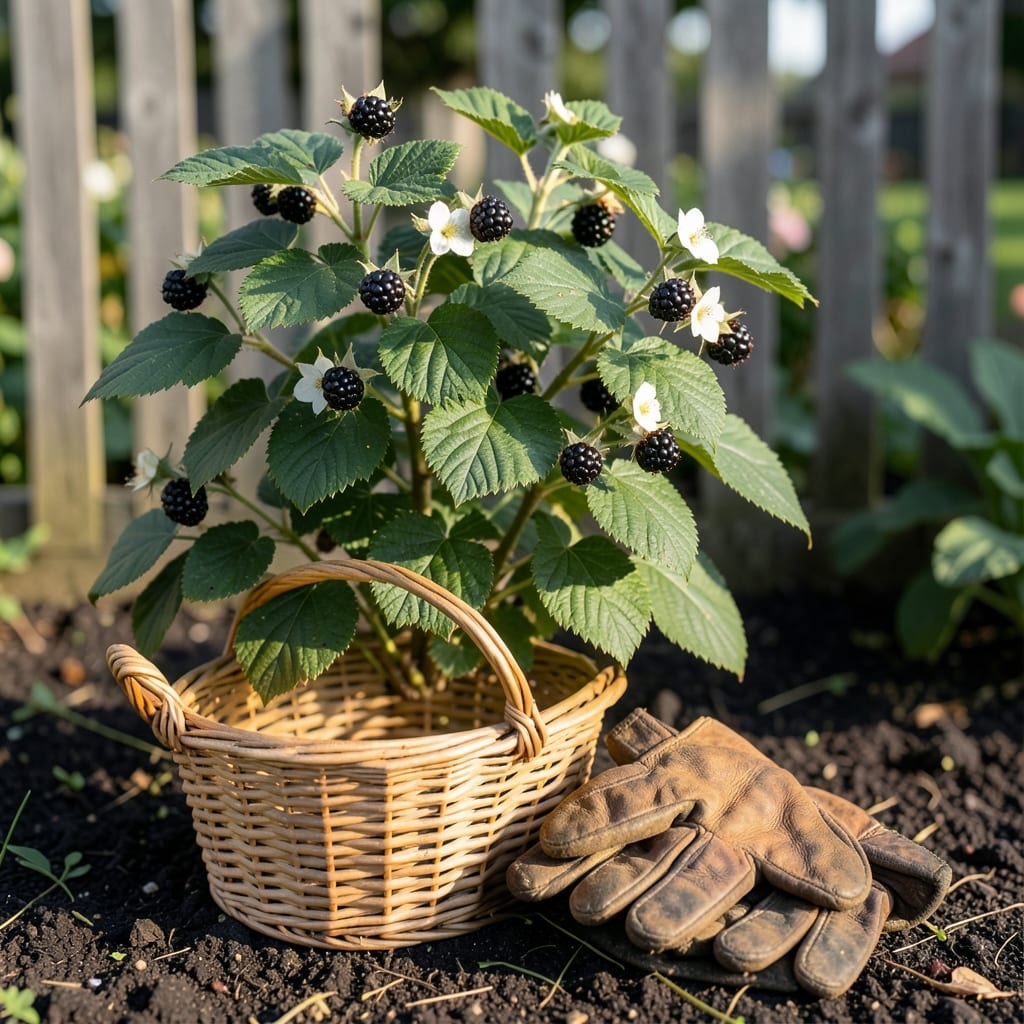
My first blackberry harvest was a disaster—sour, small, and barely worth the thorns. Then I discovered the right approach for plump, healthy fruit that fills baskets year after year.
These plants thrive with full sun and well-draining soil, but the real secret is in the pruning. Cut back old canes after harvest to make room for next year’s growth and bigger yields.
You’ll start picking ripe berries in early summer, and with proper care, a single plant can produce for 15+ years. The key is patience and consistency.
Works in most climates, from backyard plots to container gardens. Here’s how to get it right the first time.
The development of round black berries in your garden can often be attributed to specific environmental, genetic, or cultural factors. Understanding these causes helps growers prevent or address the issue effectively.
Some berry varieties are naturally prone to producing round, dark fruit due to their genetic makeup. If your plants were bred for this trait, the berries may appear black and rounded as part of their standard growth pattern. Always check the cultivar details when purchasing plants.
Excess moisture can lead to fungal infections or root stress, which may cause berries to darken prematurely and develop a rounded shape. Ensure your soil has proper drainage and avoid waterlogging to prevent this issue.
Pathogens like Botrytis or Anthracnose can cause berries to darken, shrivel, or become misshapen. These infections thrive in humid conditions, so maintaining good air circulation and using fungicides when necessary can help mitigate the problem.
Sudden temperature swings or prolonged exposure to extreme heat or cold can stress plants, leading to abnormal berry development. Protect your plants with mulch or shade cloth during harsh weather to maintain stable growing conditions.
Dealing with problems affecting your round black berries can be frustrating, but these practical solutions will help you restore plant health and prevent future issues. Below are targeted fixes for common causes, along with prevention tips to keep your harvest thriving.
Fix: Test soil pH (ideal range: 5.5–6.5) and amend with compost or a balanced fertilizer (10-10-10). For iron deficiency, apply chelated iron foliar spray. Water deeply after feeding to help roots absorb nutrients.
Prevention: Mulch with organic matter annually to maintain soil fertility. Rotate crops if planting in the same spot yearly.
Fix: Blast aphids off with a strong water spray. Introduce beneficial insects like ladybugs or use neem oil (mix 1 tbsp oil + 1 tsp dish soap per gallon of water). For beetles, handpick them in early morning or use floating row covers.
Prevention: Plant companion herbs like basil or mint to deter pests. Inspect leaves weekly for early signs of trouble.
Fix: Remove infected leaves and burn or trash them (do not compost). Spray plants with a baking soda solution (1 tbsp baking soda + 1 tsp oil + 1 gallon water) or copper fungicide. Prune to improve airflow.
Prevention: Water at the base to keep foliage dry. Space plants 3–4 feet apart for better circulation. Choose disease-resistant varieties if problems persist.
Fix: Stop watering immediately and let soil dry out. If roots are waterlogged, gently loosen the soil around the base to improve drainage. For potted plants, ensure containers have drainage holes.
Prevention: Use raised beds or well-draining soil mixes. Water deeply but only when the top inch of soil is dry. 💡 Pro Tip: A moisture meter can help avoid guesswork!
Use well-draining, slightly acidic soil with a pH of 5.5–6.5. Mix in compost for nutrients and avoid heavy clay that traps water. Raised beds work well if drainage is poor.
Water deeply 1–2 times per week, letting the top inch of soil dry between waterings. Overwatering causes root rot, so adjust based on rainfall and heat.
Lack of sun or nutrients often causes this. Ensure 6–8 hours of sunlight daily and fertilize in early spring. Prune old canes to direct energy to fruit.
Yes! Use a 15–20 gallon pot with drainage holes and a trellis for support. Container plants need more frequent watering and feeding.