
Beautiful Plants For Your Interior
Beautiful Plants For Your Interior
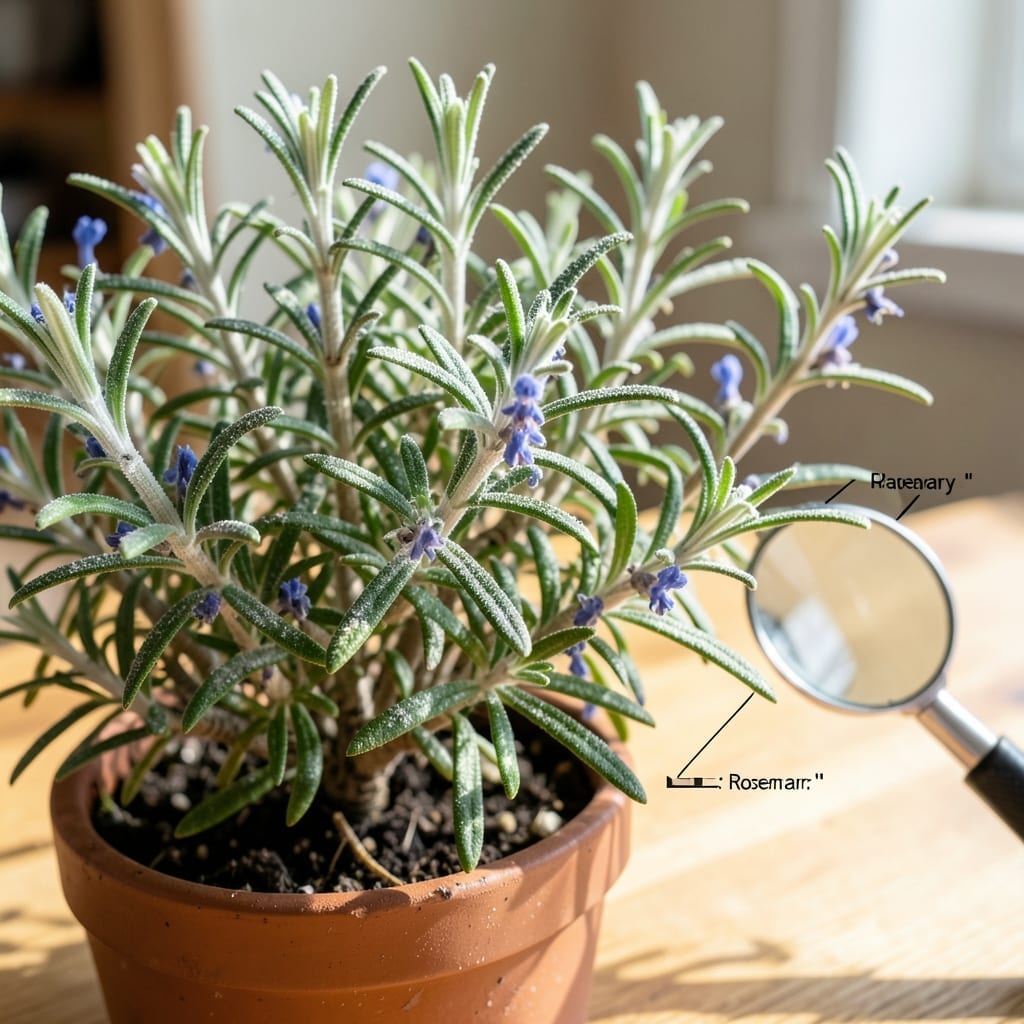
That white dust on your rosemary isn’t flour—it’s trouble. Powdery mildew spreads fast, turning healthy needles gray and stunting growth before you even notice the damage.
I first spotted it on my plants after a humid week with poor air circulation. The fix isn’t complicated, but timing matters: catch it early and you can reverse the damage with simple sprays and better growing conditions.
You’ll see new growth return within 10-14 days of treatment, and the plant regains its fragrant vigor. The same prevention steps keep it from coming back next season.
Works for potted plants, garden beds, or indoor rosemary alike. Here’s the recovery plan.
Powdery mildew on rosemary thrives under specific environmental and cultural conditions. Below are the primary causes, backed by science, to help you understand and prevent this fungal issue.
The fungus Oidium spp. (common in powdery mildew cases) spreads rapidly in humid environments (60-80% relative humidity) with stagnant air. Rosemary’s dense foliage can trap moisture, creating a microclimate ideal for spores to germinate. Proper spacing between plants and pruning to improve airflow disrupt this cycle.
Wet leaves are a breeding ground for powdery mildew. When water sits on rosemary’s needle-like leaves, it provides the moisture spores need to infect tissue. Drip irrigation or watering at the base keeps foliage dry, reducing risk. Morning watering also allows excess moisture to evaporate quickly.
Rosemary in low-light areas or crowded with other plants retains moisture longer, stressing the plant and weakening its defenses. This stress triggers reduced terpene production (rosemary’s natural antifungal compounds), making it more susceptible. Ensure full sun (6+ hours daily) and adequate spacing.
Excess nitrogen (from over-fertilizing) promotes lush, tender growth—perfect for powdery mildew. Meanwhile, low potassium or phosphorus weakens cell walls, making rosemary more vulnerable. Use a balanced, slow-release fertilizer and test soil to avoid imbalances.
Powdery mildew on rosemary can be stubborn, but these targeted fixes will help you restore plant health and prevent future outbreaks. Address the root cause first, then apply the right remedy.
Fix: Space rosemary plants at least 18–24 inches apart to allow airflow. Prune dense foliage to open the center of the plant. If growing indoors, use a small fan on low for a few hours daily to keep air moving. Outdoor tip: Avoid planting in shaded, crowded corners.
Prevention:
Fix: Stop wetting the leaves immediately. Water at the base using a soaker hose or drip system. If you must hand-water, do it early in the morning so foliage dries quickly in sunlight.
Prevention: Use a moisture meter to water only when the top inch of soil is dry. Rosemary prefers drier conditions.
Fix: Increase spacing between plants, remove nearby water sources, or use a dehumidifier indoors. For potted rosemary, move it to a sunnier, drier spot.
Prevention:
Fix: Spray affected leaves with a homemade solution:
Prevention:
Fix: Strengthen rosemary with balanced care: ensure full sun (6+ hours), well-draining soil, and avoid over-fertilizing (especially with nitrogen). Prune regularly to remove old or diseased growth.
Prevention: Use a slow-release, low-nitrogen fertilizer in spring. Healthy plants fend off mildew better!
It appears as a white, powdery coating on leaves and stems. Often starts on lower leaves and spreads upward, sometimes causing leaves to curl or yellow.
Yes, but wash it thoroughly first. Avoid using heavily affected branches. The fungus won’t harm you but may affect flavor.
For natural sprays like neem oil or baking soda, apply every 7-10 days until the issue clears. Always treat in the evening to prevent leaf burn.
It can if conditions remain the same. Remove all infected plant debris in fall and improve airflow. Healthy plants resist recurrence better.