
Beautiful Plants For Your Interior
Beautiful Plants For Your Interior
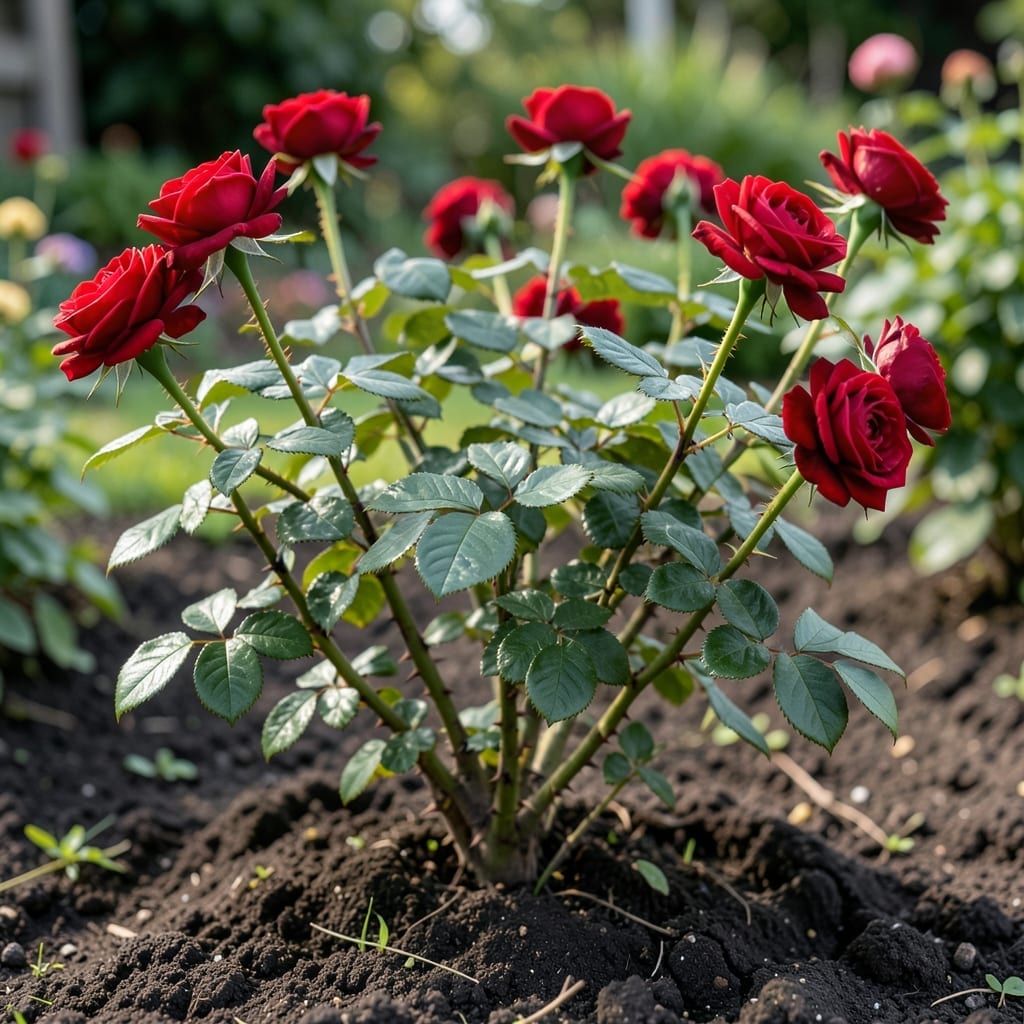
Black stems on your roses aren’t just ugly—they’re a distress signal. I’ve seen healthy canes turn dark overnight, and the cause is almost always fungal infection spreading fast through damp conditions.
This isn’t a death sentence. The key is acting before the blackening reaches the roots. I caught mine early last spring and saved three bushes with a simple treatment and better air circulation.
You’ll stop the spread within 48 hours of treatment if you catch it soon enough. The difference between a dying plant and a thriving one often comes down to how quickly you respond.
Works for all rose types, from climbers to shrubs. Here’s exactly what to do next.
Rose stems turning black is often a distress signal from your plant. Here are the most common causes, explained scientifically:
Diplocarpon rosae (black spot) or Botryosphaeria (canker) fungi thrive in wet, humid conditions. These pathogens invade through wounds or weak tissue, disrupting the stem’s vascular system. The result? Dark, sunken lesions that cut off nutrient flow, turning stems black. Prune infected stems immediately and apply copper-based fungicide to halt spread.
Sudden temperature drops below 28°F (-2°C) rupture plant cells, causing tissue death. Frozen stems collapse, darken, and dry out. Mulch heavily in late fall to insulate roots, and cover roses with burlap or frost cloth during cold snaps.
Waterlogged soil suffocates roots, preventing oxygen uptake. This stress triggers stem rot (Phytophthora or Pythium), where pathogens attack the base, turning it mushy and black. Ensure pots have drainage holes and amend clay soil with compost to improve porosity.
Chemical drift or improper application can scorch stems, causing necrotic blackening. Always spray pesticides in calm weather, early morning, and follow label rates. Rinse plants immediately if accidental exposure occurs.
A lack of magnesium (essential for chlorophyll) or phosphorus (critical for energy transfer) can manifest as blackened stems. Test soil pH (ideal: 6.0–6.5) and apply Epsom salt (magnesium sulfate) or bone meal to correct imbalances.
Act fast to save your roses! Here are the most effective fixes for each cause, plus prevention tips to keep your garden thriving.
Remove affected stems immediately with sterilized pruners (dip in rubbing alcohol between cuts). Apply a copper-based fungicide or neem oil spray to the plant and surrounding soil. Water at the base to avoid wetting foliage, which spreads spores.
Prevention: Improve airflow by spacing plants 2–3 feet apart. Water early in the day so leaves dry quickly.
Prune blackened stems back to healthy, green tissue—wait until spring if frost is still a risk. Protect plants with burlap wraps or mulch around the base before winter.
Prevention: Plant frost-resistant rose varieties like Rosa rugosa or use frost cloth during cold snaps.
Stop watering immediately and check soil moisture—it should feel dry 1–2 inches down before the next watering. If the soil is soggy, amend with compost or sand to improve drainage.
Prevention: Use raised beds or containers for roses in heavy clay soil. Always ensure pots have drainage holes.
Inspect stems for aphids, thrips, or borers. Blast pests off with a strong stream of water, then apply insecticidal soap or horticultural oil. For severe cases, use a systemic insecticide.
Prevention: Encourage beneficial insects like ladybugs with companion plants (e.g., marigolds, lavender).
Shield stems from intense afternoon sun with shade cloth or relocate potted roses. Mulch around the base to retain moisture and cool roots.
Prevention: Acclimate new plants gradually to full sun. Choose heat-tolerant varieties like Rosa ‘Knock Out’.
💡 Pro Tip: Always disinfect tools and avoid overhead watering to prevent future issues!
Fungal blackening appears as sunken, spreading lesions. Frost damage shows uniform blackening on exposed areas. Check for mushy texture with fungus vs. dry, brittle stems with frost.
Yes, prune blackened stems right away with sterilized tools. Cut back to healthy, green tissue to prevent further spread of disease or rot.
Often yes! Stop watering, improve drainage, and let soil dry. If roots aren’t mushy, the plant can rebound with proper care within 2-3 weeks.
Copper-based fungicides or neem oil work best. Apply every 7-10 days until the problem clears, always following label instructions.