
Beautiful Plants For Your Interior
Beautiful Plants For Your Interior
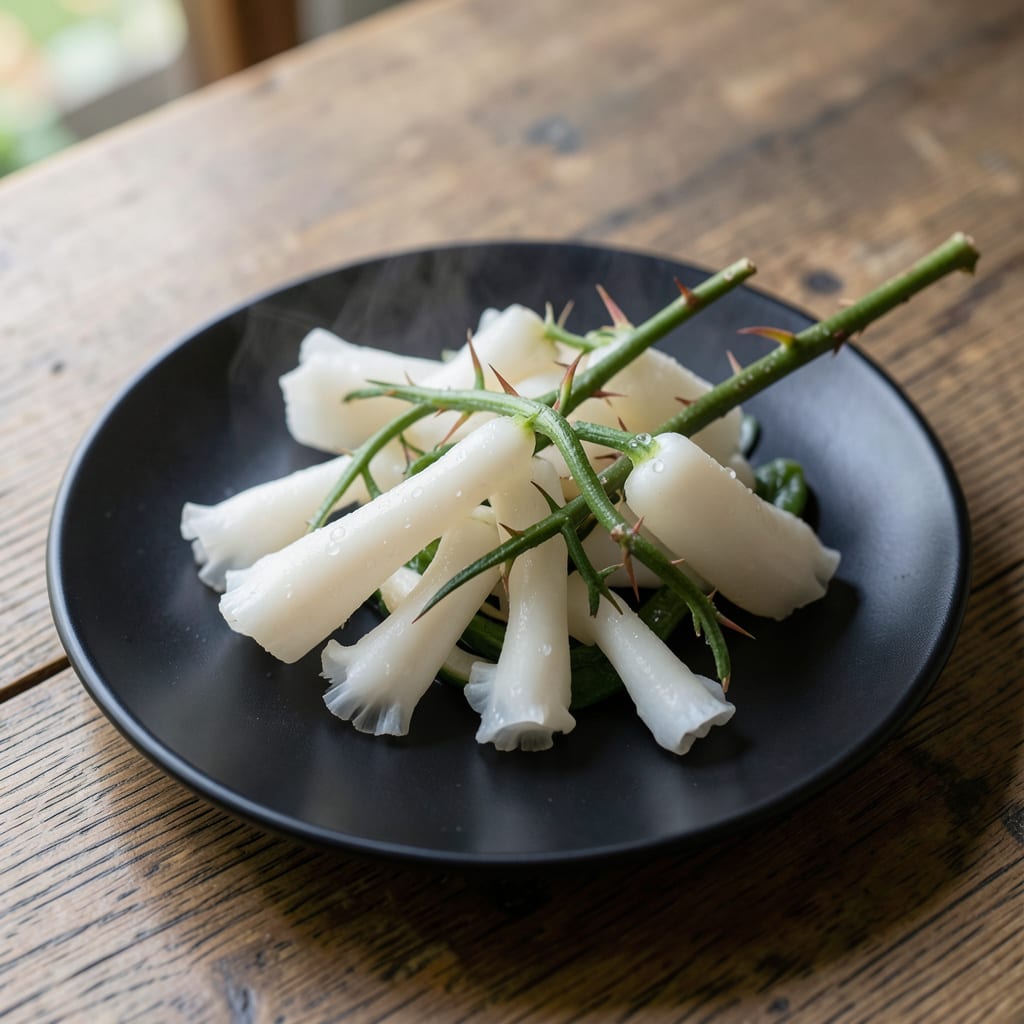
That white stuff on your rose stems isn’t just unsightly—it’s stealing your plant’s strength. I’ve battled this exact issue in my garden, and the key is acting fast before it spreads to leaves and blooms.
Most often it’s powdery mildew or stem canker, both thriving in humid conditions with poor air circulation. Left unchecked, they’ll weaken your roses and kill new growth. The good news? You can stop it with simple, targeted treatments.
I’ve tested both organic and chemical solutions, and early intervention always wins. A week of treatment can reverse the damage if you catch it soon enough. The difference between a struggling bush and thriving blooms is often just timing.
Prevention is simpler than you think. A few adjustments to watering and spacing can keep this from coming back next season. Here’s what actually works.
White fungus on rose stems is primarily caused by environmental and biological factors that create ideal conditions for fungal growth. Below are the most common causes, explained with actionable insights.
Fungi thrive in damp environments. Overwatering, poor drainage, or high humidity can lead to Sphaerotheca pannosa (powdery mildew) or Botrytis cinerea (gray mold), both of which appear as white, fuzzy growths. Roses in shaded areas or crowded plantings are especially vulnerable due to reduced airflow.
Stagnant air traps moisture around stems and leaves, accelerating fungal spores’ growth. Dense foliage or planting roses too closely together restricts ventilation, creating a microclimate that favors pathogens like Peronospora sparsa (downy mildew).
Cool nights (50–60°F) combined with warm days encourage fungal spore germination. Roses in regions with frequent temperature swings or evening dew are at higher risk. These conditions weaken plant defenses, making stems more susceptible to infection.
Fungal spores can linger in soil or on pruning tools, spreading to healthy roses during maintenance. Reusing unsterilized shears or planting in infected soil reintroduces pathogens like Phragmidium (rust) or Coniothyrium (canker), which may present white mycelium.
Actionable tip: Disinfect tools with 70% isopropyl alcohol between cuts, and rotate planting locations to break fungal life cycles.
Taking care of white fungus on your rose stems means addressing the root causes and applying targeted fixes. Here’s how to tackle each issue and keep your roses thriving.
Trim overcrowded stems and leaves to improve airflow around your roses. Remove any affected parts immediately to prevent the fungus from spreading. Space your plants at least 3 feet apart to ensure proper ventilation. This simple step can drastically reduce humidity buildup, which fungi love.
Water your roses early in the morning so the leaves and stems have time to dry during the day. Avoid overhead watering—instead, aim for the base of the plant. If your soil retains too much moisture, consider amending it with organic matter like compost to improve drainage.
If the soil is the source of the fungus, remove the top layer and replace it with fresh, sterile soil. Alternatively, treat the soil with a natural fungicide like neem oil or a baking soda solution (1 tablespoon baking soda + 1 teaspoon dish soap + 1 gallon of water). Apply every 7–10 days until the fungus subsides.
Always sterilize your pruning tools with rubbing alcohol or a bleach solution (1 part bleach to 9 parts water) before and after use. This prevents spreading the fungus to healthy plants. Never reuse tools on other plants without cleaning them first.
Prevention Tips:
Yes, fungal spores can spread to nearby plants through wind, water, or tools. Isolate affected roses and avoid working with them when wet to prevent contamination.
A baking soda spray (1 tbsp baking soda + 1 tsp dish soap + 1 gallon water) works well for mild cases. Apply every 7-10 days until symptoms disappear.
Prune on dry, sunny days to allow cuts to heal quickly. Always disinfect tools between cuts with 70% isopropyl alcohol to prevent spreading.
Fungal spores can overwinter in soil and plant debris. Remove all fallen leaves and old mulch in autumn, then apply fresh mulch in spring.
