
Beautiful Plants For Your Interior
Beautiful Plants For Your Interior
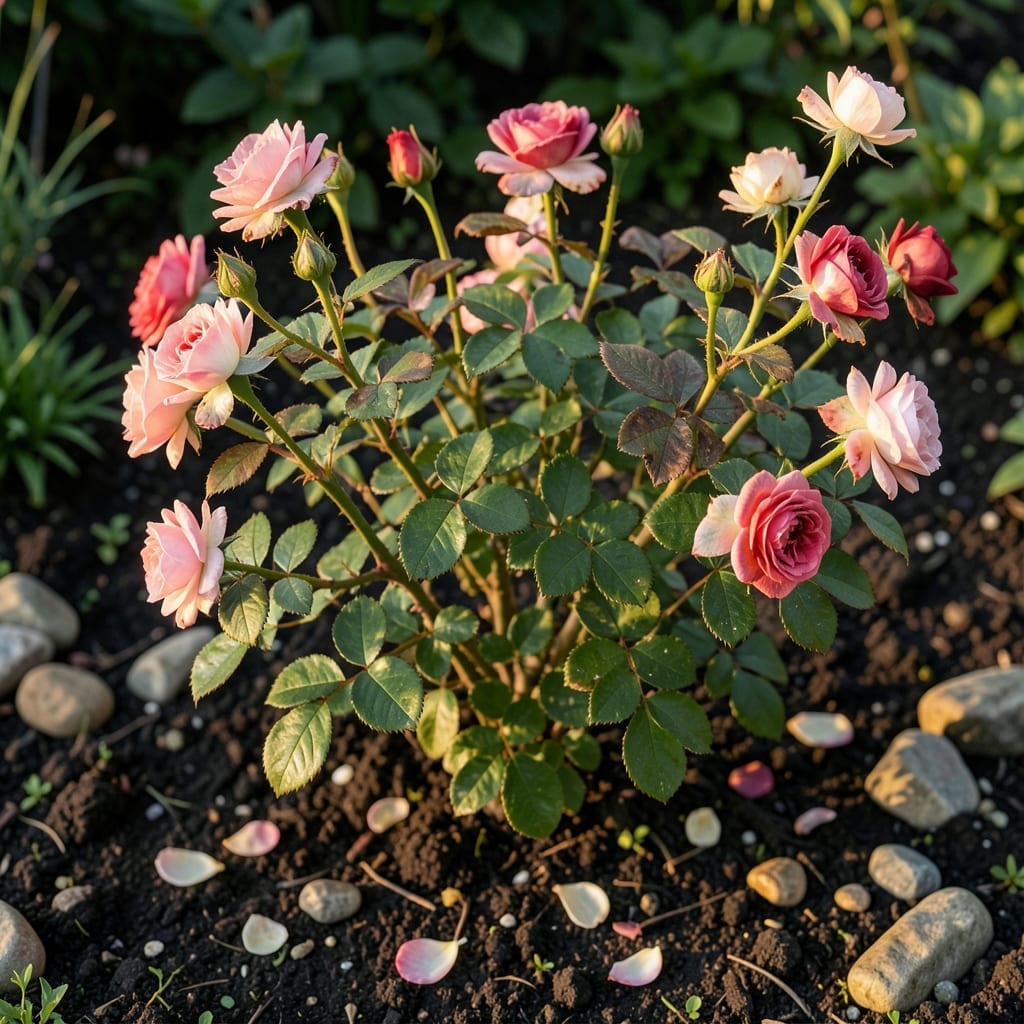
Crispy rose leaves usually mean one thing: your plant is thirsty. I’ve seen this happen overnight during heat waves, but it’s fixable with quick action.
Dry, brittle edges that start at the tips and work inward are classic underwatering signs. The soil pulls away from the pot edges, and the stems feel limp when you check them.
Reviving starts with a deep soak—submerge the pot in 2 inches of water for 10 minutes until bubbles stop. Then adjust your watering schedule before the stress spreads.
Prevention is simpler than cure: check soil moisture 2 inches down before skipping a watering day. Your roses will thank you with lush growth.
Understanding why your rose plant’s leaves are drying up starts with identifying the root causes. Here are the most common reasons, each with a clear explanation to help you diagnose and fix the issue.
Roses need consistent moisture to thrive. When the soil dries out completely, the plant can’t absorb enough water to sustain its leaves. Dry, crispy leaves are a classic sign of underwatering. Check the soil 2 inches down—if it’s bone-dry, your rose is likely thirsty. Deep, infrequent watering is better than shallow sprinkles, as it encourages strong root growth.
While roses love sunlight, excessive heat and direct sun (especially in hot climates) can scorch the leaves. This often appears as brown, dried edges or bleached spots. If your rose is in a location with intense afternoon sun, consider providing some shade or relocating it to a spot with filtered light.
Roses prefer moderate humidity. Dry air or strong winds can accelerate moisture loss from the leaves, leading to dehydration. This is common in arid regions or during windy seasons. Mulching around the base helps retain soil moisture, while windbreaks (like fences or taller plants) can shield your rose from harsh conditions.
Sap-sucking pests like aphids, spider mites, or thrips drain moisture from the leaves, causing them to dry and curl. Inspect the undersides of leaves for tiny bugs or webbing. A strong blast of water or neem oil spray can help control these pests before they cause serious damage.
Paradoxically, overwatering can also lead to dry leaves. If the soil doesn’t drain well, roots suffocate and rot, preventing them from absorbing water and nutrients. This often results in yellowing leaves that turn crispy. Ensure your rose is planted in well-draining soil, and avoid letting it sit in waterlogged conditions.
If your rose plant’s leaves are drying up, don’t panic—there are simple fixes for each common cause. Below, we break down the most effective solutions, along with prevention tips to keep your roses thriving.
If the soil feels dry 2 inches down, your rose needs a deep drink. Water slowly at the base until the soil is moist but not soggy. Early morning is the best time to prevent evaporation. Prevention tip: 💡 Mulch around the base to retain moisture and reduce watering frequency.
If leaves are crispy from too much sun, move potted roses to a spot with afternoon shade or use a shade cloth. For in-ground plants, consider companion planting with taller species to filter sunlight. Prevention tip: 🌡️ Acclimate roses gradually to full sun to avoid shock.
Dry air can sap moisture from leaves. Mist your rose lightly in the morning or place a tray of water near the plant to boost humidity. Grouping plants together also helps. Prevention tip: ✨ Use a humidifier indoors or choose rose varieties suited to your climate.
Check for spider mites or aphids under leaves. Spray with a neem oil solution (1 tbsp oil + 1 tsp dish soap per gallon of water) every 5–7 days until pests are gone. Prevention tip: 🎯 Encourage beneficial insects like ladybugs by planting companion flowers like marigolds.
Yellowing or brittle leaves may signal a lack of nutrients. Use a balanced rose fertilizer (10-10-10) every 4–6 weeks during growing season. Avoid over-fertilizing, which can burn roots. Prevention tip: 🌿 Test your soil annually and amend with compost for long-term health.
With these targeted fixes, your rose plant can bounce back quickly—and stay lush for seasons to come.
Water deeply 2-3 times per week in hot weather, less in cooler months. Always check soil 2 inches down first—if dry, it’s time to water.
Lower leaves often dry first due to age or insufficient water reaching them. This can also signal root stress or poor drainage. Prune affected leaves to redirect energy.
Yes! Over-fertilizing creates salt buildup that burns roots, preventing water uptake. Use balanced rose fertilizer every 4-6 weeks only during growing season.
Pruning removes stressed foliage so the plant can focus on healthy growth. Cut back dry stems to just above a leaf node. Always sterilize your tools first.