
Beautiful Plants For Your Interior
Beautiful Plants For Your Interior
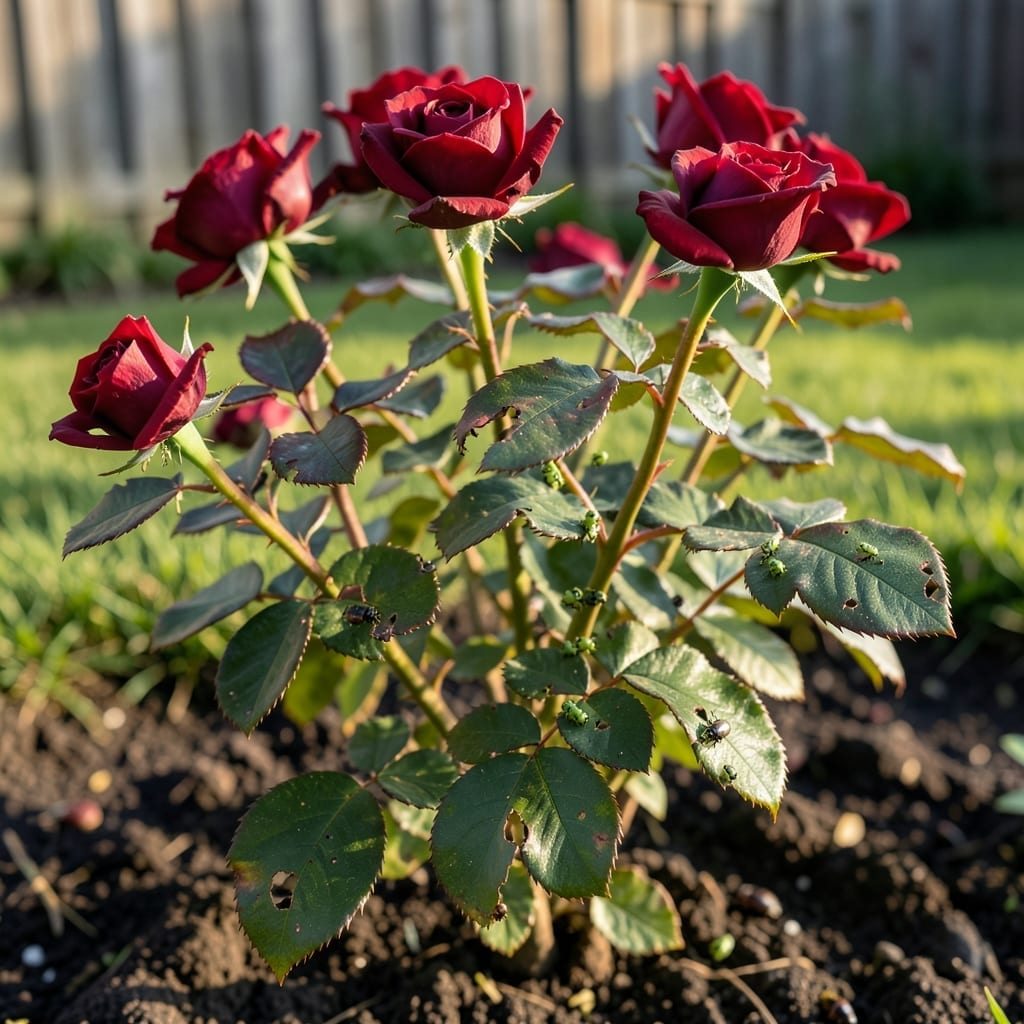
Nothing ruins a perfect rose bush faster than chewed leaves. I spotted this last week on my hybrid teas—overnight, the edges turned to lace. The culprits are usually hiding in plain sight: slugs, beetles, or caterpillars working the buffet line.
Here’s the thing—you can confirm the pest by the damage pattern. Jagged holes mean beetles; smooth edges suggest slugs. Caterpillars roll leaves into little burritos. Once identified, a dawn patrol with a bucket of soapy water removes most invaders.
Prevention starts with clean garden hygiene. Remove fallen leaves and debris where pests overwinter. A 2-inch layer of mulch discourages slugs, while row covers protect against flying insects.
Your roses will recover faster than you think. With consistent action, new growth appears within 7-10 days, and those beautiful blooms will return stronger than ever.
Several factors can lead to your rose leaves being devoured. Here’s a breakdown of the most common causes:
Insects are a primary culprit. Aphids, Japanese beetles, and caterpillars are notorious for munching on rose foliage. Aphids pierce leaves to suck sap, while beetles and caterpillars chew large, irregular holes. Check undersides of leaves for tiny green or black bugs (aphids) or metallic green beetles.
Deer, rabbits, and even squirrels may target rose leaves, especially in gardens near wooded areas. Deer leave ragged edges on leaves, while rabbits create clean cuts. Fencing or repellents can deter these visitors.
While less direct, diseases like black spot or powdery mildew weaken leaves, making them more susceptible to secondary damage. Fungal spores thrive in damp conditions, so improve airflow and avoid overhead watering.
Roses starved of nitrogen or potassium may develop weak, discolored leaves that attract pests. Conduct a soil test and amend with balanced fertilizers (e.g., 10-10-10) to restore vigor.
Drought, extreme heat, or poor drainage can stress roses, reducing their natural defenses. Mulch to retain moisture and ensure well-draining soil to prevent stress-induced vulnerability.
If your rose leaves are being eaten, act fast to protect your plants. Below are targeted solutions based on the most common causes, along with prevention tips to keep your roses thriving.
For aphids, beetles, or caterpillars, start with a blast of water to dislodge them. Follow up with neem oil or insecticidal soap (apply in the evening to avoid harming bees). For severe cases, use pyrethrin-based sprays. Prevention tip: 💡 Encourage beneficial insects like ladybugs by planting companion flowers such as marigolds or lavender.
Deer, rabbits, or squirrels love rose leaves. Install chicken wire fences (at least 3 feet tall for rabbits, 8 feet for deer) or use protective netting around vulnerable plants. For a quick fix, spray commercial repellents containing putrescent eggs or capsaicin. Prevention tip: 🎯 Plant thorny or strongly scented deterrents like rosemary or barberry nearby.
If the damage resembles chewing but is caused by disease (e.g., black spot or powdery mildew), remove all affected leaves and dispose of them in the trash (not compost). Apply a copper fungicide or baking soda spray (1 tbsp baking soda + 1 tsp dish soap + 1 gallon water). Prevention tip: ✨ Improve air circulation by pruning dense foliage and watering at the base to keep leaves dry.
Yellowing or stunted leaves with chewed edges may signal a lack of nutrients. Test your soil and amend with compost or a balanced rose fertilizer (10-10-10). For iron deficiency (yellow leaves with green veins), use chelated iron supplements. Prevention tip: 🌡️ Feed roses every 4-6 weeks during the growing season.
Aphids, Japanese beetles, and caterpillars are the most common culprits. Check for jagged holes (beetles) or rolled leaves (caterpillars).
Use chicken wire fences (3 feet for rabbits, 8 feet for deer) or repellents with capsaicin. Planting rosemary nearby also helps.
Yes! Spray neem oil in the evening to avoid harming bees. It works against aphids, beetles, and fungal issues.
New growth appears within 7-10 days with proper care. Remove severely damaged leaves to redirect energy.