
Beautiful Plants For Your Interior
Beautiful Plants For Your Interior
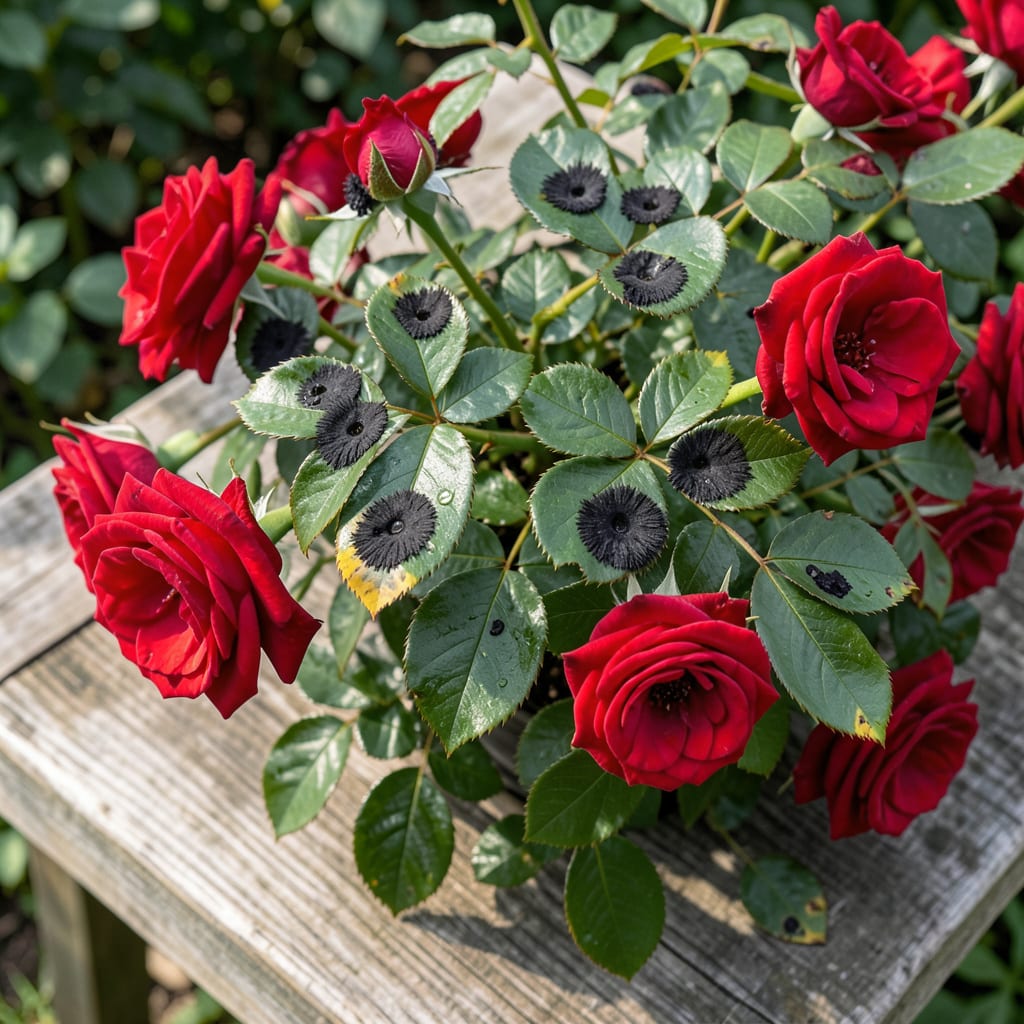
That first black spot on my rose leaves sent me into full panic mode. Dark patches with feathery edges spreading fast—this fungus doesn’t mess around, and it can strip a plant bare in 2-3 weeks if left unchecked.
Here’s the thing—black spot thrives in wet, humid conditions. Overhead watering, poor air circulation, or even last night’s rain can trigger an outbreak. I learned the hard way that prevention beats cure every time.
You’ll see new growth return vibrant green and disease-free once you break the fungus cycle. The key is consistent treatment and better cultural practices going forward.
Works for all rose types, from climbers to shrubs. Let’s save those blooms.
Black spot on roses is primarily caused by the fungus Diplocarpon rosae. This pathogen thrives in warm, humid conditions, making it a common issue in many gardens. Below are the key causes behind this frustrating problem.
Prolonged leaf wetness is the most significant factor in black spot development. Overhead watering, poor air circulation, or frequent rain can create the perfect environment for fungal spores to germinate and spread. Roses watered at the base (rather than overhead) are less susceptible.
The fungus flourishes in temperatures between 65–75°F (18–24°C) with high humidity. These conditions accelerate spore production and infection. Gardens in regions with frequent dew or fog are especially vulnerable.
Dense plantings or overcrowded rose bushes restrict airflow, trapping moisture on leaves. Pruning to open the center of the plant and spacing roses properly (3–4 feet apart) can reduce humidity buildup and lower infection risk.
The fungus overwinters in fallen leaves and stems. If old, diseased foliage isn’t removed, spores can reinfect new growth in spring. Always clean up garden debris and avoid composting infected plant material.
Some roses are genetically more prone to black spot. Hybrid teas and grandifloras are often highly susceptible, while species like Rosa rugosa and many modern disease-resistant cultivars (e.g., Knock Out® roses) show greater resistance.
Understanding these causes helps you take targeted action—like improving drainage, adjusting watering habits, or selecting resistant varieties—to keep your roses healthy and vibrant.
Stop black spot in its tracks with these targeted fixes and smart prevention strategies. 🌹
Start by pruning infected leaves and stems immediately—use clean, sharp shears and dispose of debris in a sealed bag (not compost). Apply a fungicide like copper-based sprays or neem oil, following label instructions. Reapply every 7–10 days or after rain. Prevention tip: 💡 Water at the base (avoid wetting leaves) and space plants for airflow.
Switch to drip irrigation or a soaker hose to keep foliage dry. Water early in the morning so leaves dry quickly. If you must use a sprinkler, aim for the roots and avoid evening watering. Prevention tip: 🌡️ Mulch around the base to reduce soil splashing onto leaves.
Prune dense growth to improve airflow, especially in the center of the bush. Remove crossing branches and open the canopy. Plant new roses with 3–4 feet of space between them. Prevention tip: ✨ Choose resistant varieties like ‘Knock Out’ or ‘Earth-Kind’ roses for future plantings.
Rake and remove fallen leaves and petals regularly—black spot spores overwinter in debris. Disinfect tools with rubbing alcohol between cuts. Prevention tip: 🎯 Apply a layer of mulch (but keep it away from stems) to suppress spores in the soil.
Weak plants are more susceptible. Use a balanced rose fertilizer (10-10-10) and avoid over-fertilizing with nitrogen, which promotes tender growth. Prevention tip: 💡 Test your soil—amend with compost for overall plant health.
No, never compost infected leaves. The fungus can survive and spread back to your garden. Seal and dispose of them with household trash instead.
Without treatment, it can defoliate a rose bush in 2-3 weeks. Warm, wet conditions accelerate spread, so act at the first sign of dark spots.
Resistant types like Knock Out® may still show minor spots but recover faster. They require less treatment and stay healthier overall.
Yes, a mix of 1 tablespoon baking soda, 1 teaspoon dish soap, and 1 gallon water can help as a mild preventative. Reapply after rain.
