
Beautiful Plants For Your Interior
Beautiful Plants For Your Interior
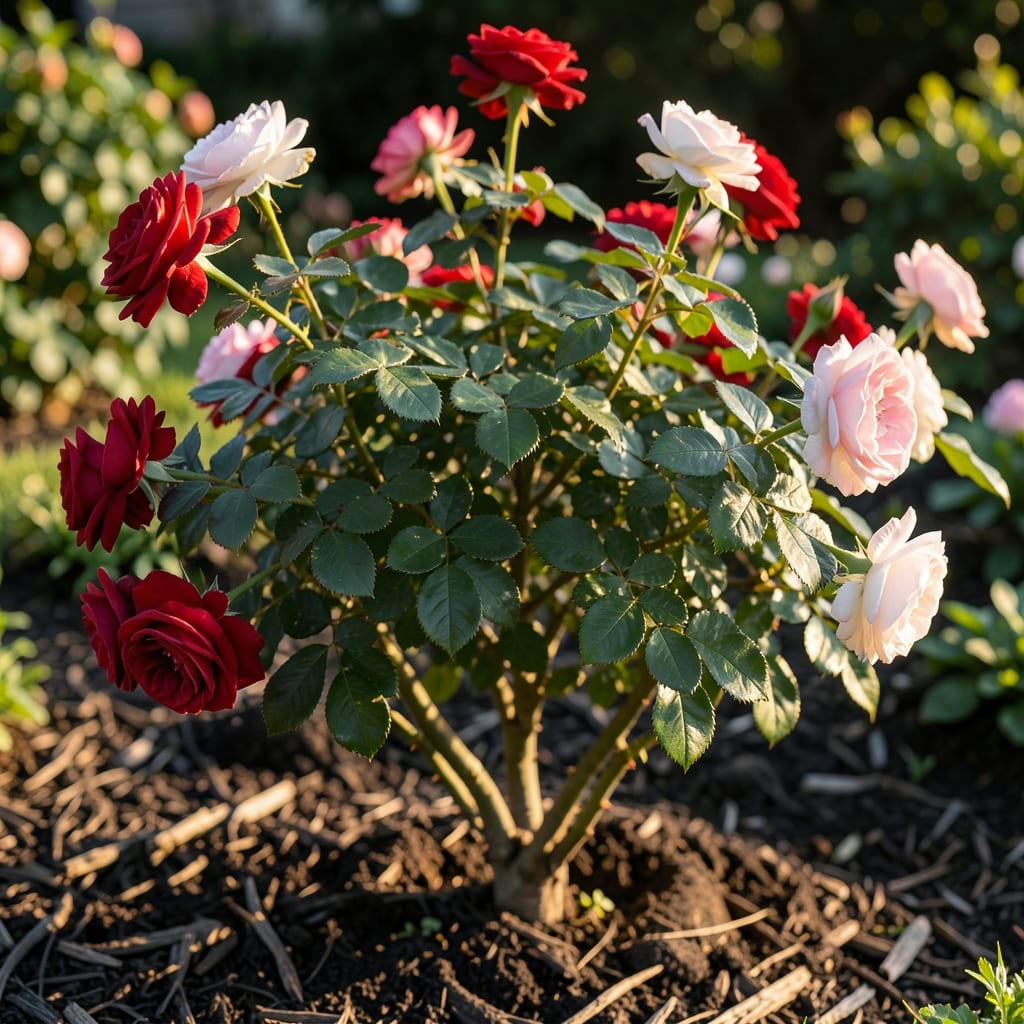
Spotted the first twisted leaves on your roses this morning. I’ve been there—watching healthy growth turn into crinkled, red-tinged messes overnight feels like a personal attack on your garden.
Here’s the thing—rose leaf curl hits hardest in cool, wet springs, and it’s usually fungal. Left unchecked, it weakens plants and ruins blooms. The good news? Catching it early makes all the difference.
With the right organic treatments, you can stop the spread within 1-2 weeks. We’re talking simple sprays, better airflow, and a few preventive habits that keep it from coming back.
No fancy equipment needed, just consistency. Your roses will thank you with healthier foliage and stronger blooms next season.
Understanding why rose leaves curl is the first step toward effective treatment. This issue typically stems from environmental stress, disease, or pest activity, each disrupting the plant’s normal physiology in distinct ways.
Extreme temperatures, drought, or excessive moisture can trigger leaf curl. Roses exposed to heat stress (above 90°F/32°C) often curl their leaves to reduce water loss through transpiration. Conversely, overwatering or poor drainage can suffocate roots, limiting nutrient uptake and causing leaves to distort.
Peach leaf curl (Taphrina deformans) and rose rust (Phragmidium mucronatum) are common fungal culprits. These pathogens infect leaves, disrupting cell growth and leading to thickened, curled, or blistered tissue. Cool, wet conditions in spring create ideal breeding grounds for spores.
Aphids, thrips, and spider mites are notorious for sucking sap from rose leaves, which weakens the plant and causes curling as a defensive response. Aphids, in particular, inject toxins while feeding, leading to distorted new growth. Check the undersides of leaves for tiny pests or sticky residue (honeydew).
Actionable tip: Neem oil or insecticidal soap can disrupt pest life cycles early on.
Tackling rose leaf curl starts with identifying the cause and applying targeted fixes. Here’s how to address the most common issues:
If the curl stems from peach leaf curl or other fungi, act fast. Remove and destroy infected leaves to prevent spread. Apply a copper-based fungicide or a homemade baking soda spray (1 tbsp baking soda + 1 tsp dish soap + 1 gallon of water) every 7–10 days. Prevention tip 💡: Improve air circulation by pruning dense foliage and watering at the base to keep leaves dry.
Aphids, mites, or thrips can distort leaves. Blast them off with a strong water spray, or use neem oil or insecticidal soap weekly until they’re gone. Prevention tip 🎯: Attract beneficial insects like ladybugs with companion plants (e.g., marigolds, yarrow) or introduce them manually.
Under- or overwatering, extreme heat, or poor soil can stress roses. Fix by watering deeply 1–2 times a week (adjust for rainfall) and mulching to retain moisture. Prevention tip ✨: Test soil drainage—if water pools, amend with compost or perlite. Shield plants from harsh afternoon sun with shade cloth if needed.
Yellowing or curling leaves may signal a lack of nitrogen, magnesium, or iron. Apply a balanced rose fertilizer (10-10-10) or Epsom salt (1 tbsp per gallon of water) for magnesium. Prevention tip 🌡️: Feed roses every 4–6 weeks during growing season and test soil pH (aim for 6.0–6.5).
Proactive care is key—inspect leaves weekly and address issues early to keep your roses thriving!
Fungal spores can spread rapidly in wet conditions, often within 2-3 days. Isolate affected roses immediately and avoid overhead watering to prevent contamination.
Yes, with aggressive treatment. Prune all curled leaves, apply copper fungicide, and improve airflow. Recovery takes 3-4 weeks with consistent care.
Not if you remove all fallen leaves and debris where spores overwinter. Apply a dormant spray in late winter for extra protection.