
Beautiful Plants For Your Interior
Beautiful Plants For Your Interior
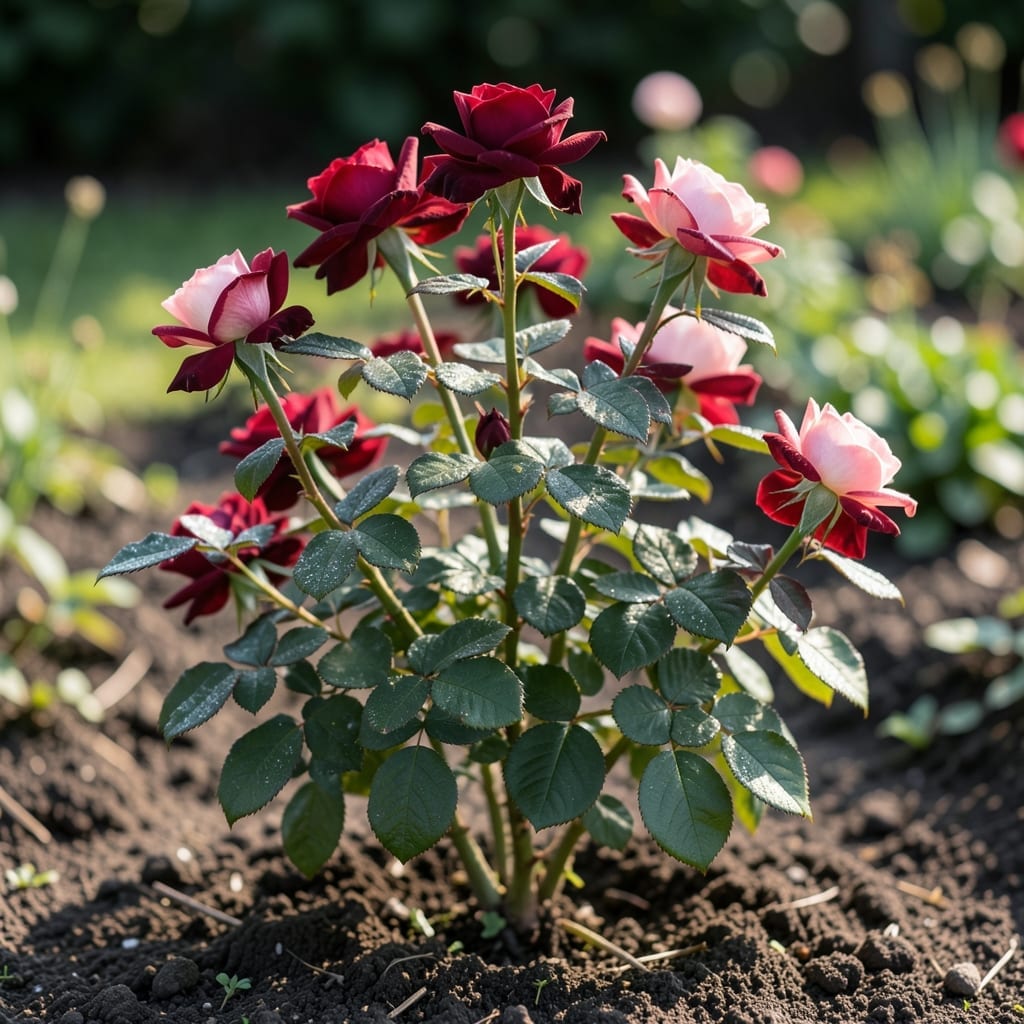
Spotted orange pustules on your rose leaves? That’s rose gardener’s disease, and it spreads fast in warm, wet weather. I’ve seen entire bushes defoliate in 2 weeks if left unchecked.
This fungal issue loves humidity and poor air circulation. The good news? It’s treatable and preventable with simple, organic methods. No fancy equipment needed—just consistent action and good garden hygiene.
You’ll start seeing recovery within 10-14 days of treatment. Leaves regain their deep green color, and new growth comes in clean. The key is catching it early before it weakens the plant.
Works for all rose types, from climbers to shrubs. Here’s how to stop it in its tracks.
Rose gardener’s disease (or sporotrichosis) typically occurs when the fungus Sporothrix schenckii enters the skin through minor cuts, scrapes, or puncture wounds. This fungus thrives in organic matter like soil, moss, hay, and—you guessed it—rose thorns. Below are the most common causes, broken down for clarity.
The primary cause is handling rose bushes, thorny plants, or decaying vegetation where the fungus resides. Gardeners, florists, and landscapers are at highest risk when pruning, planting, or even arranging cut flowers. The fungus enters through tiny skin breaks caused by thorns or splinters.
Not wearing gloves (or using torn/flimsy ones) leaves hands vulnerable. The fungus can also linger on tools, pots, or even gardening kneeling pads, increasing exposure. Always opt for thick, puncture-resistant gloves and sanitize tools after use.
Sporothrix thrives in moist, temperate climates. Working with soil or plants in such conditions—especially without proper hygiene—raises infection risk. The fungus may also contaminate peat moss, mulch, or compost, so handle these with care.
Though uncommon, cats, dogs, and even armadillos can carry the fungus. Scratches or bites from infected animals may transmit the disease. This is more prevalent in regions with high Sporothrix cases in the animal population.
Combat fungal causes with natural sprays. Mix 1 teaspoon baking soda + 1 liter water + a few drops of dish soap and spray on affected areas weekly. Prevention tip: 💡 Avoid overhead watering to keep foliage dry.
For bacterial spots, use copper fungicide (organic-approved) every 10 days until symptoms fade. Remove and dispose of infected leaves immediately. Prevention tip: ✨ Sterilize pruning tools with rubbing alcohol between cuts.
Apply neem oil spray (2 tablespoons oil + 1 gallon water + 1 teaspoon soap) to deter aphids and mites. Spray in the early morning or late evening. Prevention tip: 🎯 Introduce beneficial insects like ladybugs to your garden.
Revitalize soil with compost tea or organic mulch to boost microbial activity. Work compost into the top 2 inches of soil. Prevention tip: 🌡️ Test soil pH annually—roses thrive in slightly acidic soil (6.0–6.5).
Let the top inch of soil dry between waterings. Use drip irrigation to target roots directly. Prevention tip: 💧 Water deeply but less frequently (1–2 inches per week).
Symptoms typically develop within 1-12 weeks after contact. The first sign is often a small, painless bump that grows and may ulcerate.
Without treatment, it can spread along lymphatic channels, causing more bumps and swelling. Rarely, it may enter the bloodstream or joints.
Warm saltwater soaks 3-4 times daily help clean wounds. Over-the-counter antifungal creams may slow progress but won’t cure it.
Seek medical attention if bumps persist beyond 2 weeks or spread. Oral antifungals are often needed for full recovery.