
Beautiful Plants For Your Interior
Beautiful Plants For Your Interior
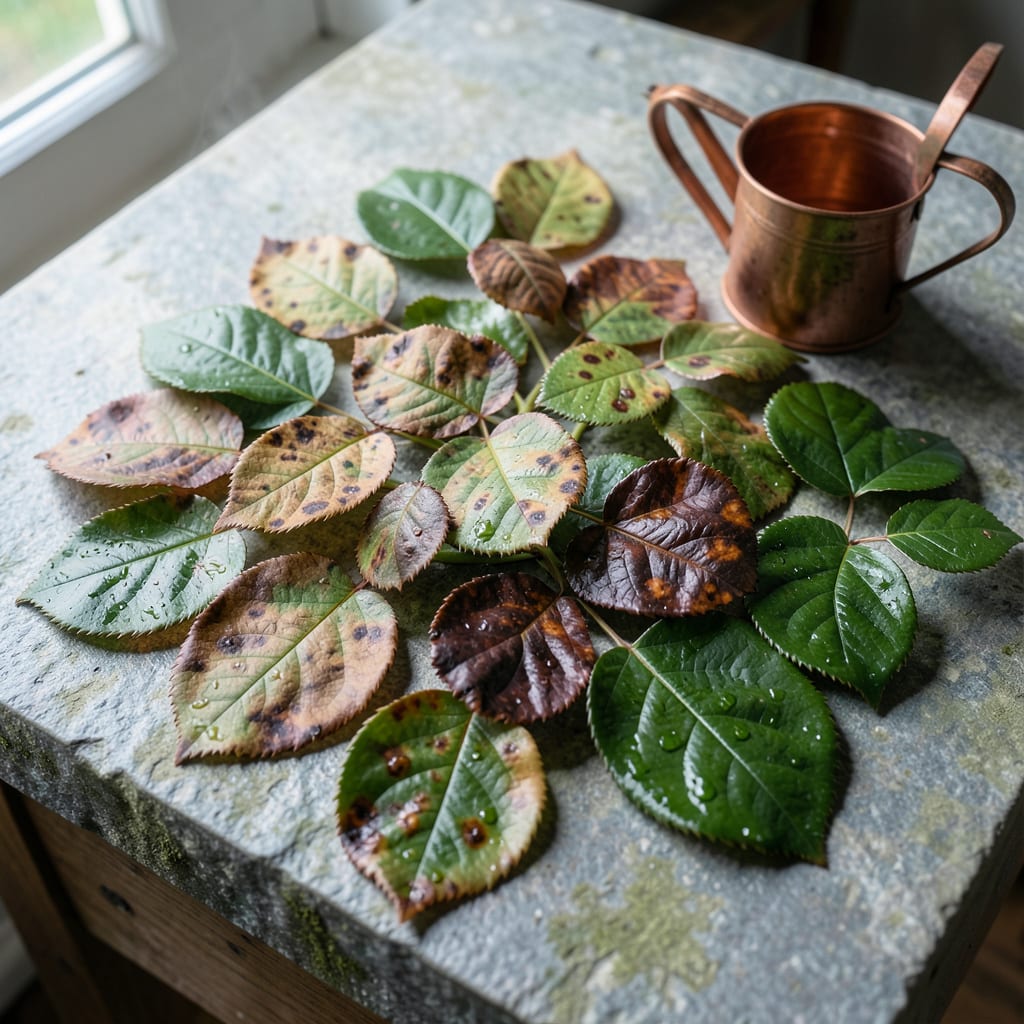
Brown spots on rose leaves ruined my first garden season. I spent months nursing bushes that looked more like Swiss cheese than blooming plants.
Turns out, the usual culprit is black spot fungus—tiny spores that thrive in wet, warm conditions. But environmental stress and pests can create similar damage, making diagnosis tricky.
Here’s the thing—once you spot the pattern, treatment becomes straightforward. Remove infected leaves first, then adjust watering habits and improve air circulation around your plants.
With the right approach, you’ll stop the spread within 2-3 weeks and keep your roses healthy for the rest of the growing season.
Brown spots on rose leaves are often a sign of underlying issues, and understanding the root causes is key to effective treatment. Below are the most common culprits behind this problem:
Fungal pathogens like black spot (Diplocarpon rosae) and Cercospora leaf spot thrive in warm, humid conditions. These fungi produce spores that infect rose foliage, leading to circular or irregular brown spots with yellow halos. Overhead watering and poor air circulation exacerbate fungal growth.
Both overwatering and underwatering can cause brown spots. Overwatering leads to root rot, reducing nutrient uptake and causing leaf discoloration. Meanwhile, drought stress weakens the plant, making leaves more susceptible to scorch and fungal attacks.
Extreme temperatures, sunscald, or sudden temperature drops can damage rose leaves, resulting in brown patches. Roses in full sun with inadequate hydration are particularly prone to heat stress, which manifests as crispy, brown-edged spots.
Insects like thrips, spider mites, and aphids pierce leaf tissues, creating entry points for pathogens. Their feeding also causes direct damage, leading to brown or blackened spots. Check the undersides of leaves for tiny pests or webbing.
A lack of essential nutrients, such as magnesium or potassium, can cause leaf discoloration. Magnesium deficiency often results in yellowing between leaf veins, while potassium deficiency leads to brown, scorched edges.
Brown spots on rose leaves are often a sign of fungal infections, but the good news is they’re treatable! Below are targeted solutions for common causes, along with prevention tips to keep your roses thriving. 🌹
If Diplocarpon rosae (black spot) is the culprit, start by pruning infected leaves with clean shears—dip them in rubbing alcohol between cuts to avoid spreading spores. Dispose of the debris in the trash (not compost). Next, apply a fungicide like copper-based or neem oil spray, following label instructions. Reapply every 7–10 days until the problem clears.
Prevention tip: 💡 Water roses at the base in the morning so foliage dries quickly. Improve air circulation by spacing plants properly.
For Cercospora or other leaf spot fungi, reduce moisture on leaves. Switch to drip irrigation if using overhead sprinklers, and ensure the soil drains well—amend heavy clay with compost. Remove spotted leaves immediately to limit spread.
Prevention tip: 🌡️ Avoid crowding plants and thin out dense foliage to boost airflow.
If pests like thrips or spider mites are causing brown spots, blast them off with a strong stream of water. Follow up with insecticidal soap or horticultural oil, applying in the early morning or late evening. Check undersides of leaves weekly for early signs.
Prevention tip: ✨ Encourage beneficial insects like ladybugs by planting companion flowers such as marigolds.
Yellowing leaves with brown edges may signal a magnesium or potassium deficiency. Apply a balanced rose fertilizer or Epsom salt (1 tablespoon per gallon of water) as a foliar spray. Test soil pH—roses prefer 6.0–6.5—and adjust if needed.
Prevention tip: 🎯 Feed roses regularly during growing season, but avoid over-fertilizing, which can stress plants.
Yes, excessive watering leads to root rot, which prevents nutrient absorption and results in brown patches. Always check soil moisture before watering again.
Water at the base early in the day, space plants for airflow, and remove infected leaves immediately. Apply fungicide every 7-10 days in humid weather.
No, environmental stress like sunscald or nutrient deficiencies can also create brown spots. Check for patterns—yellow halos often indicate fungal issues.
