
Beautiful Plants For Your Interior
Beautiful Plants For Your Interior
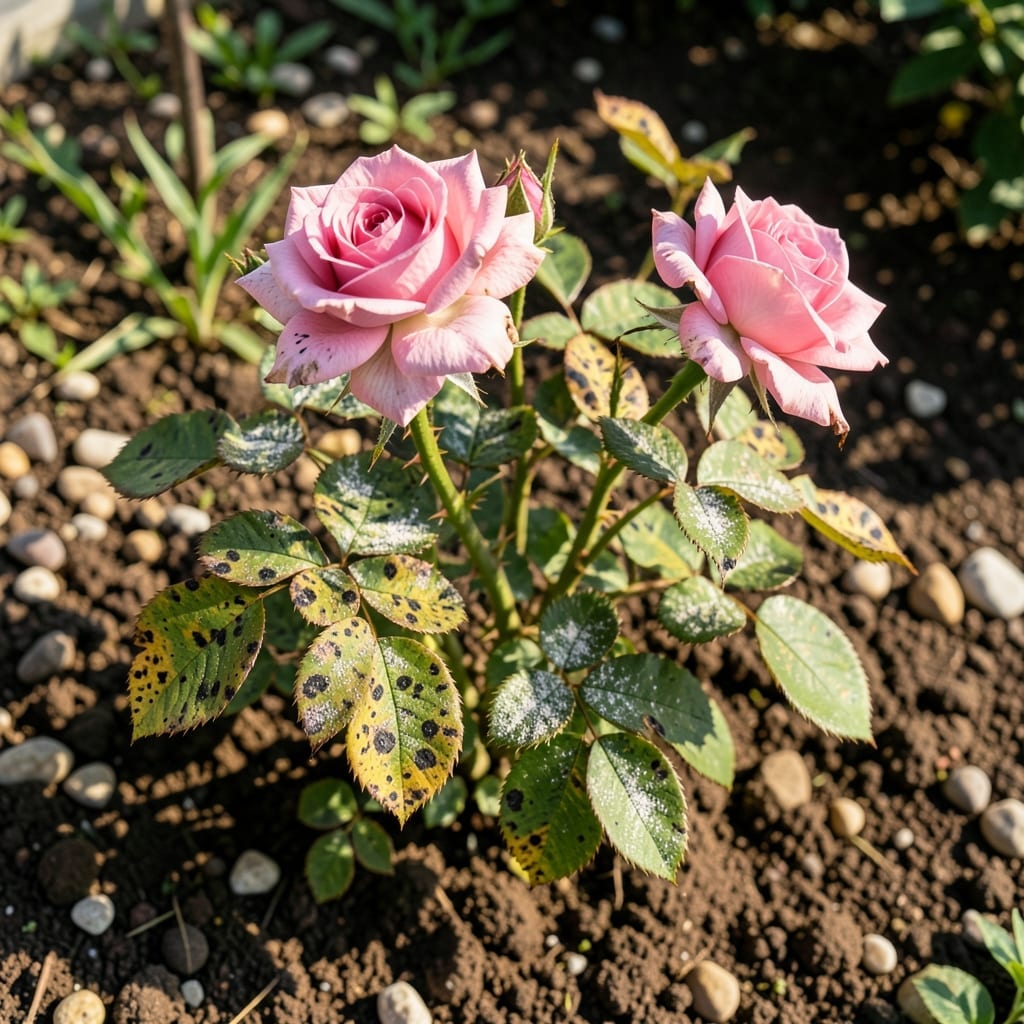
Spotted my first black spot on a rose leaf last June. That tiny brown circle spread faster than I could prune, teaching me that early detection saves the entire garden.
Most rose diseases announce themselves with leaf discoloration, powdery coatings, or sudden wilting. The key is catching these signs before they turn into full-blown epidemics.
With the right approach, you can stop most issues in their tracks. I’ve salvaged entire beds using simple treatments and better cultural practices.
Healthy roses start with vigilance and quick action. Here’s how to spot trouble and fix it before it spreads.
Understanding why rose garden diseases occur is the first step toward prevention. These issues often stem from environmental, biological, or cultural factors that compromise plant health. Below are the primary causes, explained with actionable insights.
Fungal diseases like black spot and powdery mildew thrive in damp conditions. Overwatering, high humidity, or poorly drained soil creates the perfect breeding ground for spores. Roses need consistent moisture but not waterlogged roots. Ensure your garden has proper drainage and water at the base of the plant to keep foliage dry.
Pathogens such as Diplocarpon rosae (black spot) and Sphaerotheca pannosa (powdery mildew) are common culprits. These spread through spores carried by wind, water, or infected tools. Sanitize pruning shears between cuts and remove fallen leaves to reduce spore survival. Resistant rose varieties can also minimize risk.
Aphids, thrips, and spider mites weaken roses by feeding on sap, leaving them vulnerable to secondary infections. These pests often introduce viruses like rose rosette disease. Regularly inspect undersides of leaves and use insecticidal soap or neem oil at the first sign of trouble.
Extreme temperatures, drought, or nutrient deficiencies stress roses, lowering their defense against disease. Mulch to regulate soil temperature, fertilize with a balanced formula, and provide afternoon shade in hot climates to keep plants resilient.
Dead leaves, pruning debris, and weeds harbor pests and pathogens. Clean up garden waste promptly and avoid composting diseased plant material. A tidy garden disrupts the life cycle of many rose ailments.
When your roses show signs of trouble, act fast with these targeted fixes to restore their health and beauty.
Remove infected leaves immediately and dispose of them in the trash (not compost). Apply a fungicide like neem oil or copper-based spray weekly until the issue clears. Prevention tip: 💡 Water at the base of the plant to keep foliage dry, and space roses for airflow.
Blast off aphids with a strong stream of water, or use insecticidal soap for heavier infestations. Introduce beneficial insects like ladybugs for natural control. Prevention tip: 🎯 Inspect new plants before adding them to your garden to avoid introducing pests.
Spray affected plants with a baking soda solution (1 tbsp baking soda + 1 tsp dish soap + 1 gallon water). Prune crowded stems to improve airflow. Prevention tip: ✨ Plant disease-resistant rose varieties and avoid overhead watering.
Stop watering immediately and let the soil dry out. Trim away black, mushy roots and repot in fresh, well-draining soil. Prevention tip: 🌡️ Ensure containers have drainage holes and use raised beds if your soil stays soggy.
Remove infected leaves and apply a sulfur-based fungicide. Avoid overhead watering to prevent spores from spreading. Prevention tip: 🔥 Clean up fallen leaves and debris around the garden to reduce fungal spores.
Consistent care and quick action will keep your roses thriving all season long!
Look for yellowing leaves, black spots, or white powdery coatings. Wilting or distorted growth can also signal pest or disease issues. Early detection is key to preventing spread.
Ensure good airflow by spacing plants properly and water at the base. Remove fallen leaves and debris regularly to reduce spore buildup.
Yes! Disease-resistant varieties like Knock Out and Drift roses are bred to withstand common issues. Check plant labels for resistance ratings before purchasing.
A baking soda spray works well for powdery mildew. For pests, insecticidal soap or neem oil are effective organic options. Always test on a small area first.