
Beautiful Plants For Your Interior
Beautiful Plants For Your Interior
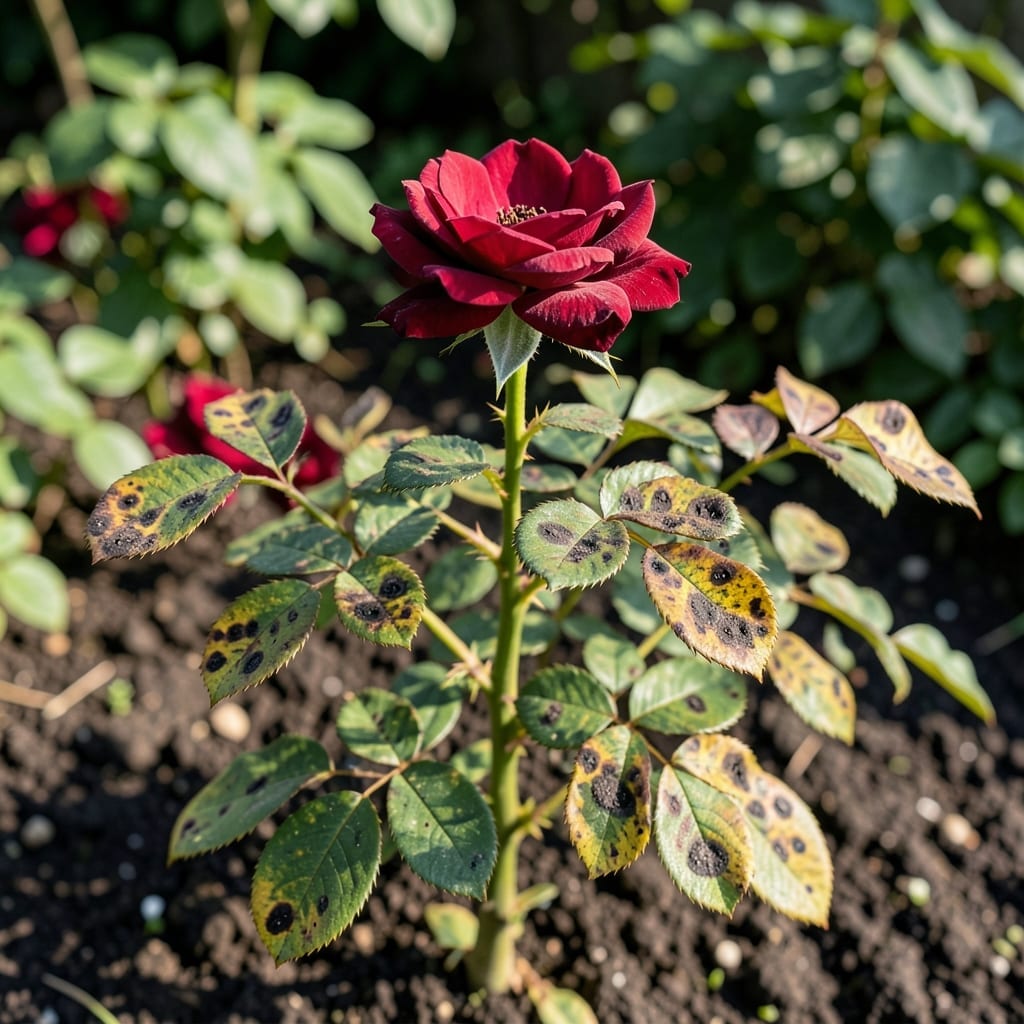
Black spots on your rose leaves aren’t just ugly—they’re a warning sign. I’ve lost entire bushes to fungus by ignoring the early symptoms, but catching it fast changes everything.
These infections spread quickly in wet, humid conditions, turning healthy plants into skeletal versions of themselves. The good news? Most cases are treatable with simple organic methods you probably already have at home.
You’ll learn to spot the difference between black spot, powdery mildew, and rust—each needs a slightly different approach. Prevention is easier than cure, but even infected plants can bounce back.
Works for all rose varieties, from heirlooms to modern hybrids. Here’s how to save your plants and keep them thriving all season.
Understanding why fungal infections take hold in roses starts with recognizing the conditions that favor their growth. Below are the most common causes, explained in clear, actionable terms.
Fungi thrive in damp environments. Overwatering, poor drainage, or frequent rain can create the perfect breeding ground. Roses with wet foliage—especially when leaves stay damp for 6+ hours—are highly susceptible. Prevent this by watering at the base (not overhead) and ensuring good air circulation.
Most rose fungi, like black spot or powdery mildew, flourish in temperatures between 65–85°F (18–29°C) with high humidity. These conditions speed up spore germination. Pro tip: Space plants apart to reduce humidity pockets and prune dense canopies.
Crowded rose bushes trap moisture and limit airflow, inviting fungal spores to settle. Thin out dense growth and remove weeds around the base to improve ventilation. This simple step can cut infection risk by half.
Fungal spores linger on pruning shears, gloves, or infected plant debris. Using dirty tools spreads pathogens between plants. Always sterilize tools with rubbing alcohol (70%+ isopropyl) between cuts. Remove and destroy (not compost) fallen infected leaves.
Stressed roses—due to nutrient deficiencies, drought, or root damage—lack the vigor to fend off fungi. Boost resilience with balanced organic fertilizer (e.g., 5-10-5 NPK) and avoid over-fertilizing with nitrogen, which promotes tender, fungus-prone growth.
Tackling fungal issues in your roses starts with identifying the specific cause and applying targeted solutions. Here’s a practical guide to restoring your garden’s health:
If you spot white, powdery patches on leaves, prune affected areas immediately and dispose of them in sealed bags. Then, spray the plant with a mix of 1 tablespoon baking soda + 1 teaspoon liquid soap + 1 gallon water. Prevention tip: 💡 Space plants for airflow and water at the base to keep foliage dry.
Black spots with yellow edges? Remove infected leaves and apply neem oil or a copper-based fungicide. Prevention tip: ✨ Avoid overhead watering and mulch to reduce soil-borne spores splashing onto leaves.
Orange pustules on undersides of leaves signal rust. Cut off infected parts and treat with sulfur-based sprays. Prevention tip: 🎯 Keep the garden clean of fallen debris where fungus can overwinter.
Wet leaves breed fungus. Switch to drip irrigation or water early in the day so foliage dries quickly. Prevention tip: 🌡️ Use a moisture meter to avoid overwatering roots, which can stress the plant.
Consistency is key—repeat treatments every 7–10 days until the problem clears, and always sterilize pruning tools between cuts!
Look for white powdery patches, black spots with yellow edges, or orange pustules on leaves. These are classic signs of powdery mildew, black spot, or rust. Early detection makes treatment much easier.
Water at the base, space plants for airflow, and remove fallen leaves. Sterilize pruning tools with 70%+ isopropyl alcohol between uses. Prevention is always simpler than cure.
Yes! A mix of 1 tablespoon baking soda + 1 teaspoon liquid soap + 1 gallon water works well for powdery mildew. Neem oil and copper-based sprays are also highly effective.
if caught early. Remove infected parts, apply treatment, and maintain good care. Most roses bounce back within 2-3 weeks of consistent effort.