
Beautiful Plants For Your Interior
Beautiful Plants For Your Interior
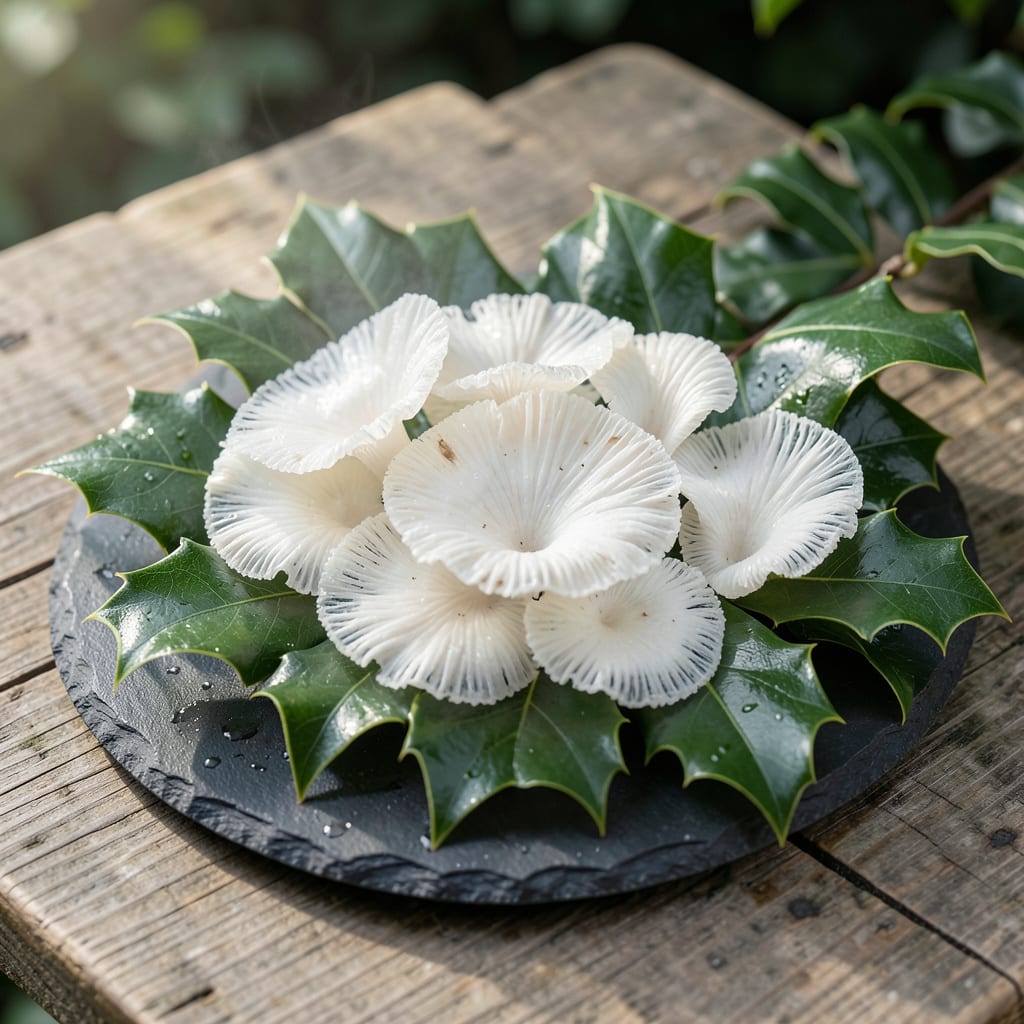
Spotted white powder on your holly leaves last week? I did too. Turns out it’s powdery mildew, a common fungus that loves holly bushes in humid conditions.
This sneaky invader spreads fast but it’s not a death sentence. I’ve battled it for years and found that early action makes all the difference. The key is improving airflow and reducing moisture around the plants.
You’ll see results within 7-10 days of treatment. The white spots fade, new growth emerges clean, and your hollies regain their deep green color. Prevention keeps it from coming back next season.
Works for all holly varieties, from dwarf to full-size. Here’s how to tackle it naturally without harsh chemicals.
White fungus on holly bushes typically stems from environmental and biological factors that create ideal conditions for fungal growth. Below are the primary causes, explained with actionable insights.
Prolonged dampness is a leading cause of white fungus, such as powdery mildew or Phytophthora. Overwatering, poor drainage, or high humidity (above 60%) creates a breeding ground for spores. Holly bushes in shaded, poorly ventilated areas are especially vulnerable, as moisture lingers on leaves and stems.
Dense foliage or overcrowded plantings restrict airflow, trapping moisture and preventing leaves from drying quickly. This stagnation allows fungal spores to germinate and spread. Pruning to open the canopy and spacing bushes at least 5–6 feet apart can mitigate this issue.
Cool nights (50–60°F) paired with warm days (70–80°F) encourage fungal development, particularly in spring and fall. These conditions accelerate spore production, while dew formation provides the moisture fungi need to thrive. Mulching can help stabilize soil temperature and reduce stress on the plant.
Over-fertilization, especially with high-nitrogen formulas, promotes lush but weak growth that’s more susceptible to fungal attacks. Conversely, potassium or phosphorus deficiencies weaken the plant’s natural defenses. A soil test can reveal imbalances, allowing for targeted amendments.
Fungal pathogens like Erysiphe (powdery mildew) or Microsphaera can overwinter in leaf litter or soil. Splashing water, tools, or wind can spread spores to healthy holly bushes. Removing fallen leaves and debris, along with sterilizing pruning tools, reduces reinfection risks.
Combating white fungus on holly bushes starts with identifying the root cause and applying targeted fixes. Here’s how to tackle common issues effectively:
If soggy soil is to blame, reduce watering and ensure your holly bushes are planted in well-draining soil. Add organic mulch (like pine bark) to improve soil structure and prevent waterlogging. Pro tip: 💡 Space plants properly to boost airflow and discourage fungal growth.
Trim dense branches to increase sunlight penetration and air circulation. Remove any infected leaves or stems immediately to stop the fungus from spreading. Prevention: ✨ Prune during dry weather and sanitize tools with rubbing alcohol between cuts.
For active infections, use neem oil or a baking soda solution (1 tbsp baking soda + 1 tsp dish soap + 1 gallon of water). Spray affected areas every 7–10 days until the fungus clears. Prevention: 🎯 Avoid overhead watering—use a soaker hose to keep foliage dry.
Boost your holly’s resilience with balanced fertilizer (10-10-10) and consistent watering (1–2 inches per week). Pro tip: 🌡️ Test soil pH—holly bushes thrive in slightly acidic soil (5.0–6.0). Adjust with sulfur or lime if needed.
Regular monitoring and quick action are key to keeping your holly bushes healthy and fungus-free!
While not immediately fatal, it weakens the plant over time. Left untreated, it can reduce growth, cause leaf drop, and make the bush more susceptible to other diseases.
Yes! A baking soda solution (1 tbsp per gallon of water) with a drop of dish soap works well. Spray weekly until the issue resolves.
Improve airflow by pruning, avoid overhead watering, and clean up fallen leaves. Apply neem oil as a preventative spray in early spring.
