
Beautiful Plants For Your Interior
Beautiful Plants For Your Interior
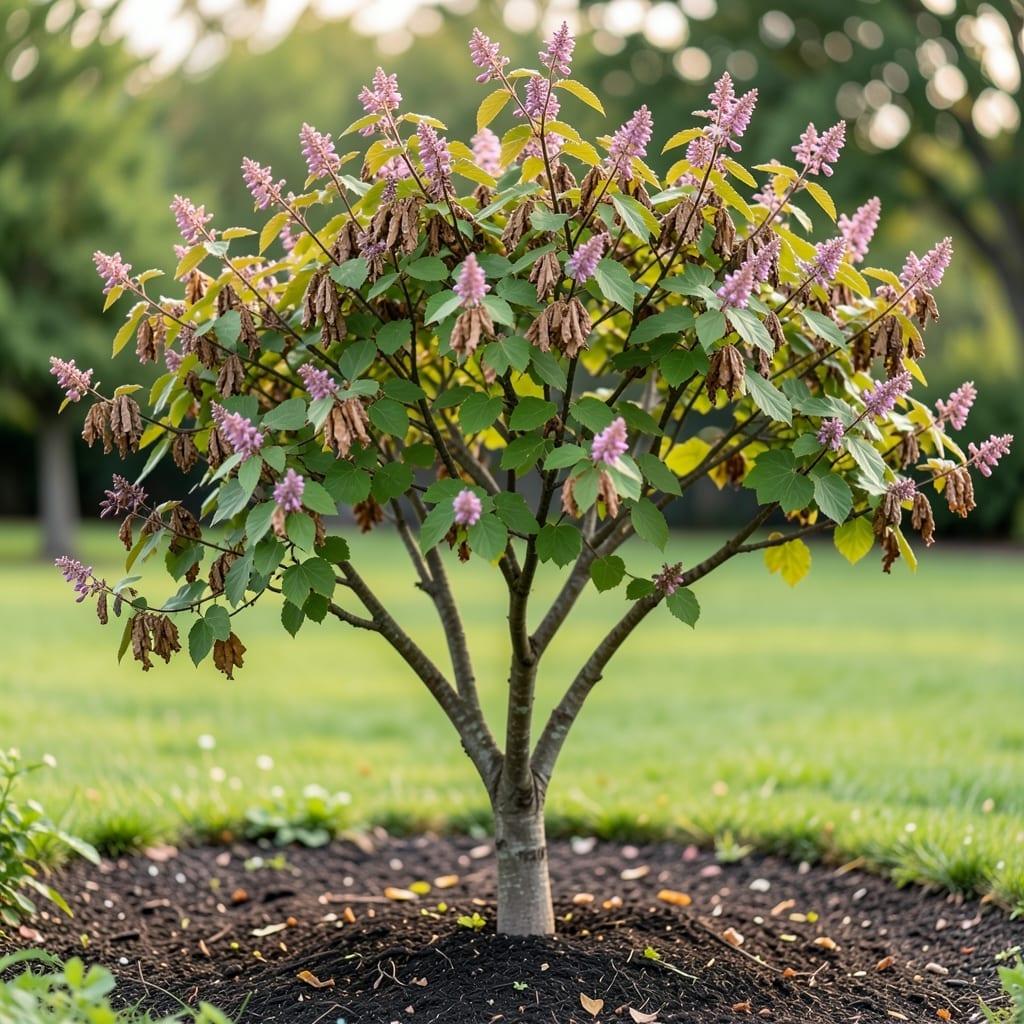
Brown leaves on your redbud aren’t always bad news. I used to panic every fall until I learned these trees naturally shed leaves in autumn, but timing matters.
Early browning often signals stress—drought, poor drainage, or compacted soil. I’ve seen redbuds bounce back after fixing water issues, but waiting too long can damage the tree permanently.
Check for curled edges, spots, or premature drop. These clues reveal whether it’s seasonal change or something more serious requiring action.
With the right diagnosis, you can restore your redbud’s health and enjoy those vibrant pink blooms next spring.
Redbud trees are cherished for their vibrant spring blooms, but when their leaves turn brown, it’s often a sign of underlying stress. Here are the most common causes and the science behind them:
Extreme temperatures, whether scorching heat or unexpected frost, can trigger leaf browning. Redbuds thrive in USDA zones 4-9, and when exposed to temperatures outside this range, their leaves may scorch or freeze. Drought conditions also play a role—insufficient water disrupts photosynthesis, leading to crisp, brown edges.
Pathogens like Botryosphaeria canker or Verticillium wilt attack stressed trees, blocking water flow. Infected leaves often turn brown in patches or along veins. Prevention: Ensure good airflow and avoid overhead watering to reduce fungal spores.
Sap-sucking pests such as aphids or scale insects weaken leaves by draining vital nutrients. Their feeding also creates entry points for diseases. Check undersides of leaves for sticky residue (honeydew) or tiny insects.
A lack of magnesium or iron can cause interveinal browning (yellowing between veins turning brown). Soil tests confirm deficiencies—amend with compost or targeted fertilizers for recovery.
In autumn, redbuds shed leaves as part of their lifecycle. If browning occurs uniformly and seasonally, it’s likely dormancy—not distress. However, premature browning warrants investigation.
If your redbud tree’s leaves are turning brown, act fast to restore its health. Below are targeted fixes for common causes, paired with prevention tips.
Too much or too little water can cause browning. Check soil moisture 2 inches deep—it should feel like a damp sponge. Fix: Water deeply once a week during dry spells (1–1.5 gallons per inch of trunk diameter). For soggy soil, improve drainage by amending with compost or redirecting downspouts. Prevention: Mulch 2–3 inches deep (keep it 3 inches from the trunk) to retain moisture evenly.
Spots or margins turning brown often signal anthracnose or leaf spot. Fix: Remove infected leaves and branches (sterilize pruners with rubbing alcohol between cuts). Apply a copper-based fungicide in early spring or at first signs. Prevention: Increase airflow by thinning crowded branches and avoid overhead watering.
Sap-sucking pests like aphids or borers stress the tree, leading to brown foliage. Fix: Blast aphids off with a strong water spray or use neem oil (mix 2 tbsp per gallon of water). For borers, consult an arborist for systemic insecticides. Prevention: Inspect leaves and bark weekly; attract beneficial insects like ladybugs with native plants.
Extreme heat, drought, or winter injury can scorch leaves. Fix: Provide afternoon shade with a shade cloth during heatwaves. In winter, wrap young trees in burlap to prevent frost cracks. Prevention: Plant redbuds in well-draining, slightly acidic soil (pH 6.0–7.5) and avoid south-facing locations with intense sun.
Yellowing or browning leaves may indicate iron or magnesium deficiency. Fix: Apply a balanced, slow-release fertilizer (10-10-10) in early spring. For iron issues, use chelated iron soil drenches. Prevention: Test soil every 2–3 years and amend as needed.
💡 Pro Tip: Always water at the drip line (not the trunk) to encourage deep root growth and prevent rot.
Not necessarily. Seasonal changes cause natural browning in fall. However, if leaves turn brown in spring or summer, it often indicates stress that needs attention.
Check the soil 2 inches deep. If bone dry, it needs water. If soggy, improve drainage. Crispy, curled edges suggest underwatering.
Yes, if the branches are still flexible and the trunk is firm. Prune dead limbs, address the root cause, and monitor new growth.
Mulch properly, water consistently, and inspect regularly. Healthy trees resist pests and diseases better.