
Beautiful Plants For Your Interior
Beautiful Plants For Your Interior
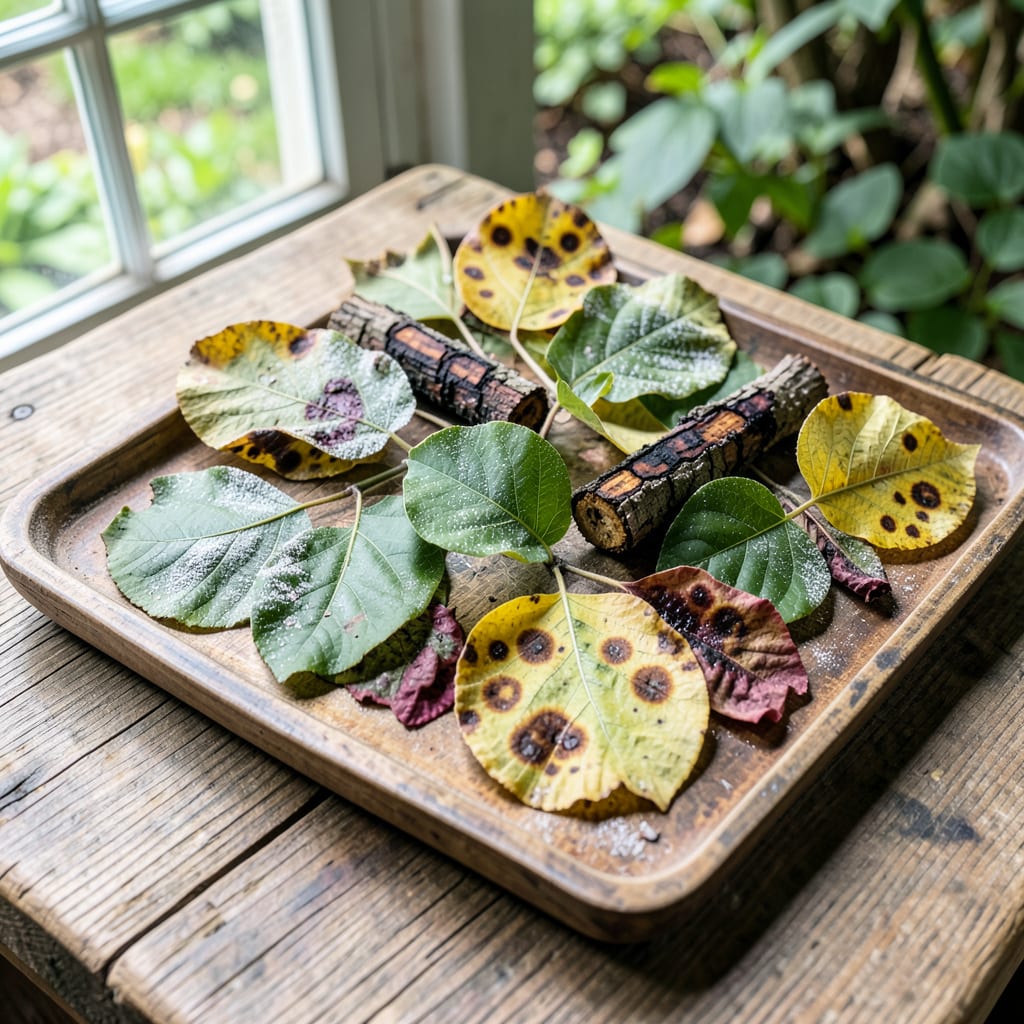
Your redbud’s leaves shouldn’t look like Swiss cheese. I’ve seen healthy trees turn spotted and sickly overnight, and the key is catching the problem early before it spreads to the whole canopy.
Most leaf spots start as small brown or purple marks that grow into ugly sores. The good news? You can often reverse the damage with simple treatments like removing infected leaves and improving air circulation around the tree.
Prevention beats cure every time. Water at the base instead of overhead, clean up fallen debris, and you’ll cut disease risk by 80%. The difference between a struggling tree and a thriving one is often just consistent care.
These solutions work for most common redbud ailments, from fungal spots to bacterial blight. The sooner you act, the better your tree’s chances of bouncing back strong next season.
Redbud tree diseases often stem from a mix of environmental stressors, fungal invaders, and poor cultural practices. Understanding these root causes helps prevent and manage outbreaks effectively. Below are the primary triggers behind common redbud ailments.
Fungi like Cercospora and Botryosphaeria thrive in warm, wet conditions, infecting leaves through spores. Leaf spots (e.g., anthracnose) appear when spores land on moist foliage, germinate, and penetrate tissues. Overhead watering or dense canopies that trap humidity accelerate fungal growth. Prune for airflow and avoid evening irrigation to reduce risk.
Drought, extreme heat, or waterlogged soil weaken a redbud’s defenses, making it susceptible to opportunistic diseases. Root rot (often from Phytophthora) occurs in poorly drained soils, while canker (caused by Nectria) exploits trees stressed by frost damage or physical wounds. Mulch to retain moisture and plant in well-draining sites to mitigate stress.
Insects such as borers or leafhoppers create entry points for pathogens. Their feeding wounds allow bacteria and fungi to invade, leading to dieback or vascular diseases. Monitor for pests and treat infestations promptly with horticultural oils or insecticides to prevent secondary infections.
Improper pruning, contaminated tools, or neglecting to remove fallen leaves can spread diseases like verticillium wilt. Sterilize pruning tools between cuts, rake up debris, and dispose of infected plant material far from the tree to break the disease cycle.
Here’s how to tackle common redbud tree diseases with practical, step-by-step fixes and prevention tips to keep your tree thriving.
If you notice brown or black spots on leaves, act fast. Prune infected branches and remove fallen leaves to stop the spread. Apply a fungicide like copper or neem oil, following label instructions. Prevention tip: 💡 Improve air circulation by thinning branches and avoid overhead watering.
Holes in the bark or sawdust-like frass? Borers may be the culprit. Inject insecticidal soap or horticultural oil into entry holes. For severe cases, consult an arborist. Prevention tip: 🌡️ Keep trees healthy with proper watering and mulching to deter pests.
Sunken, dead areas on bark signal canker. Cut out infected tissue with sterilized pruners, removing at least 2 inches beyond the canker. Dispose of debris far from the tree. Prevention tip: ✨ Sterilize tools between cuts and avoid wounding the tree during pruning.
Yellowing leaves and stunted growth may mean root rot. Reduce watering and amend soil with compost to improve drainage. If the tree is potted, repot it in fresh, well-draining mix. Prevention tip: 🎯 Plant redbuds in well-draining soil and avoid waterlogged conditions.
Early action and consistent care are key to saving your redbud. Monitor regularly and treat at the first sign of trouble!
Look for brown or purple leaf spots with yellow halos. These often appear on lower leaves first and spread upward during wet weather.
Water at the base in the morning and rake up fallen leaves. This reduces moisture on foliage where fungi thrive.
Prune out infected branches 2 inches below the canker and sterilize tools between cuts. Severe cases may require professional help.
This often signals root rot from overwatering. Check soil drainage and reduce watering frequency immediately.
