
Beautiful Plants For Your Interior
Beautiful Plants For Your Interior
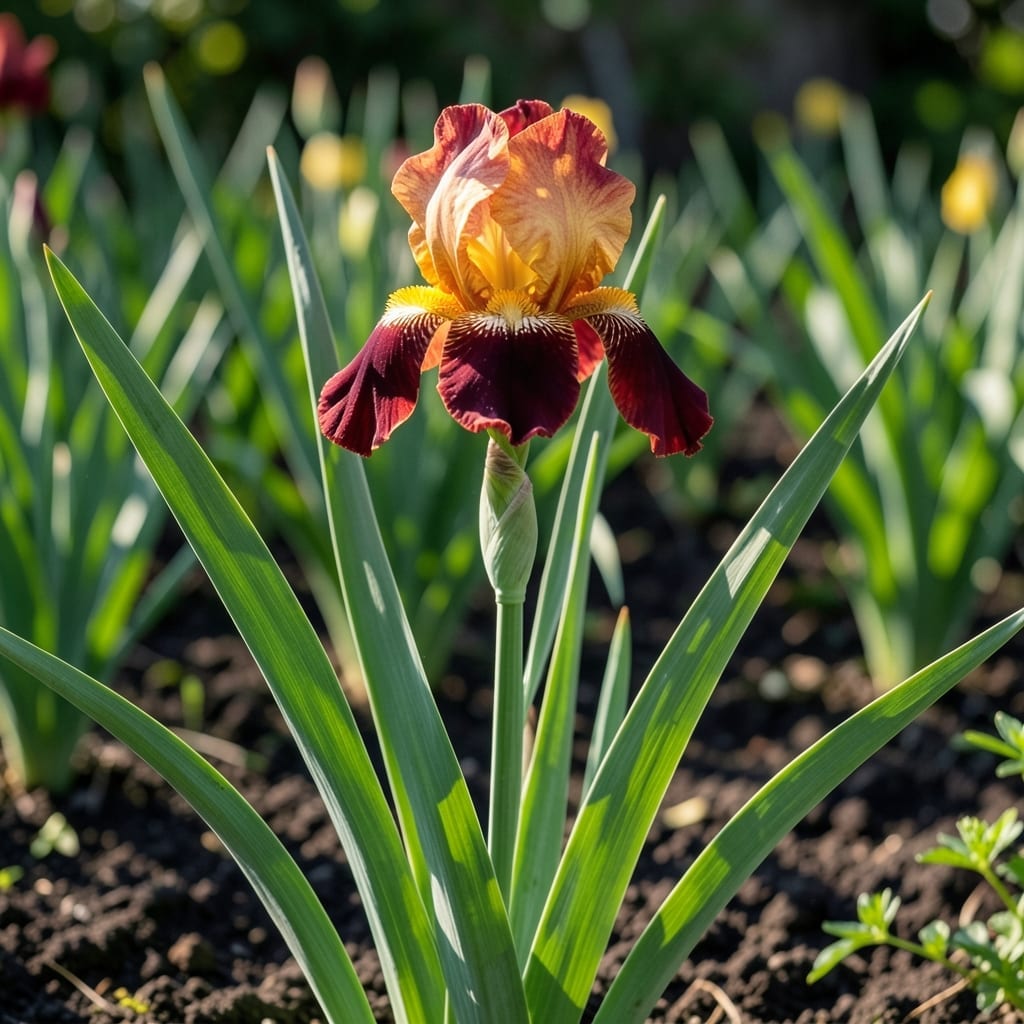
There’s something about red and yellow irises that stops me in my tracks every spring. Their bold colors demand attention, yet they’re surprisingly low-maintenance once established.
I planted my first batch along a sunny fence line, and by the second year, they doubled in size with almost no effort. They thrive in full sun to partial shade and adapt well to average garden soil, as long as drainage is decent.
A little seasonal care—dividing clumps every few years and keeping the rhizomes exposed—ensures they keep producing those vibrant blooms year after year.
Perfect for borders, ponds, or standalone displays, these irises bring long-lasting color with minimal fuss.
The striking red and yellow hues in iris blooms stem from a mix of genetic, environmental, and biochemical factors. Here’s a breakdown of the primary causes:
Irises produce anthocyanins (for reds and purples) and carotenoids (for yellows and oranges) in their petals. Specific genes regulate these pigments—DFR (dihydroflavonol 4-reductase) boosts red anthocyanins, while CHS (chalcone synthase) enhances yellow carotenoids. Hybridization can amplify these traits, creating vibrant bicolor varieties.
Sunlight intensity and soil pH influence color expression. Full sun (6+ hours daily) intensifies pigments, while acidic soil (pH 5.5–6.5) enhances red tones. Alkaline soil (pH 7+) may shift yellows toward paler shades. Temperature swings during bud formation can also alter hue saturation.
Deficiencies or excesses of key nutrients affect color development. Phosphorus supports vibrant blooms, while nitrogen overload can dilute pigments, leading to washed-out yellows. Iron and magnesium are critical for chlorophyll balance, indirectly impacting petal color.
If your iris blooms are looking less vibrant, don’t worry—there are simple fixes to bring back their beauty. Here’s how to tackle common issues and keep your garden thriving.
Fix: This is often a sign of overwatering or poor drainage. Reduce watering and ensure the soil is well-draining. If the soil is compacted, loosen it gently with a fork. For severe cases, consider repotting with fresh, nutrient-rich soil.
Prevention tip: 💡 Water only when the top inch of soil feels dry, and always use pots with drainage holes.
Fix: Irises need plenty of sunlight to bloom. If your plants aren’t flowering, move them to a sunnier spot (at least 6 hours of direct sunlight daily). Also, check if they’re overcrowded—divide clumps every 2-3 years to encourage new growth.
Prevention tip: ✨ Fertilize lightly in early spring with a balanced, low-nitrogen fertilizer to promote blooming.
Fix: Aphids and iris borers love these plants. Spray aphids off with water or use insecticidal soap. For iris borers, remove affected leaves immediately and apply a natural pesticide like neem oil.
Prevention tip: 🎯 Keep the garden clean by removing dead leaves and debris where pests hide.
Fix: Wilting can be caused by underwatering or root rot. Check the soil moisture—if it’s bone dry, water deeply. If it’s soggy, improve drainage and trim any blackened roots.
Prevention tip: 🌡️ Mulch around the base to retain moisture without waterlogging.
They thrive with at least 6 hours of direct sunlight. Full sun brings out the richest colors, but they tolerate partial shade. Morning sun with afternoon shade works well in hotter climates.
Well-draining soil with pH 5.5–6.5 is ideal. Add compost for nutrients. Avoid heavy clay that holds water, as soggy roots cause rot. A slightly acidic mix enhances red tones beautifully.
Every 2-3 years in early fall or right after blooming. This prevents overcrowding and keeps flowers vibrant. Use a sharp knife to separate rhizomes, replanting the healthiest pieces.
Pale colors often mean too much nitrogen or alkaline soil. Switch to a low-nitrogen fertilizer. Test soil pH and amend with sulfur if it’s above 7.0. Proper care restores deep hues.