
Beautiful Plants For Your Interior
Beautiful Plants For Your Interior
I’ll be real with you: the first time aphids invaded my garden, I nearly gave up. Tiny green monsters turning my rosebuds into Swiss cheese overnight. Then I discovered neem oil—a natural solution that actually works without harsh chemicals. It’s not just an insecticide; it’s a three-in-one defender that tackles pests, fungi, and even some […]
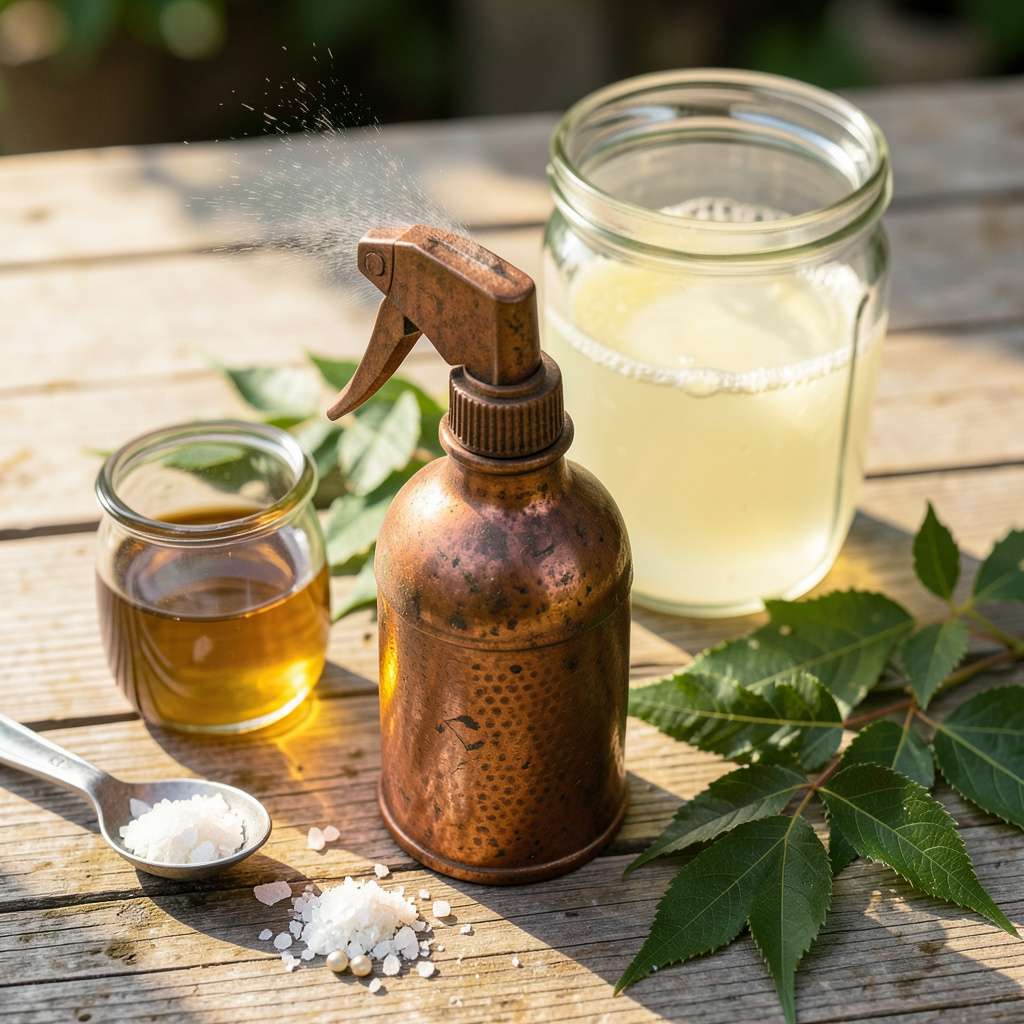
I’ll be real with you: the first time aphids invaded my garden, I nearly gave up. Tiny green monsters turning my rosebuds into Swiss cheese overnight. Then I discovered neem oil—a natural solution that actually works without harsh chemicals. It’s not just an insecticide; it’s a three-in-one defender that tackles pests, fungi, and even some bacterial issues.
What sold me was seeing the results within 24-48 hours of application. Aphids stopped multiplying, whiteflies disappeared, and my plants finally got to breathe. The key is proper dilution and timing—apply at dusk to avoid leaf burn, and always test a small area first. I keep a spray bottle mixed and ready for those moments when I spot the first invaders.
You’ll notice the difference immediately: leaves stay green instead of yellowing, new growth isn’t stunted by sap-sucking pests, and your garden stops looking like an all-you-can-eat buffet for bugs. Best part? It’s safe for bees and beneficial insects when used correctly—unlike synthetic sprays that kill everything indiscriminately.
Works for vegetables, flowers, and houseplants alike. The only regret I hear from gardeners? Not trying it sooner. Here’s exactly how to mix and apply it for maximum effectiveness without harming your plants.
📚 In This Guide
This method transforms neem oil into your garden’s most effective defense—safe, natural, and surprisingly simple.
Begin with 100% cold-pressed neem oil—this preserves the azadirachtin compound that disrupts insect life cycles. I avoid pre-mixed sprays because their concentrations are often too weak for serious infestations. Check the label for “clarified hydrophobic extract” which indicates proper processing for horticultural use.
Store your oil in a cool, dark place between uses. Exposure to sunlight or heat degrades the active compounds within 3-4 weeks. If your oil develops a rancid smell, it’s lost potency and should be replaced.
Mix 1 tablespoon neem oil with 1 teaspoon mild liquid soap (as an emulsifier) per 1 gallon of warm water. The soap helps disperse the oil evenly—without it, the oil separates and clogs sprayers. Use a dedicated garden sprayer (never food containers) to avoid contamination.
Shake vigorously before each use until the mixture appears uniformly cloudy. Test on a small leaf area first—some sensitive plants like ferns may show temporary leaf burn. Apply in early morning or late evening to prevent leaf scorch from sun-oil interaction.
Spray until leaves glisten but don’t drip—this ensures complete coverage without waste. Focus on undersides where pests hide and lay eggs. For crawling insects like aphids, coat stems thoroughly. The oil works by suffocating insects and disrupting their feeding patterns.
Reapply every 7-10 days or after rain, which washes away the protective coating. You’ll notice reduced pest activity within 24-48 hours, but full control takes 2-3 applications to break the insect life cycle.
For fungal issues like powdery mildew, add 1 teaspoon baking soda to the mix—this enhances the oil’s antifungal properties. Against soft-bodied insects (whiteflies, spider mites), increase frequency to every 5 days until populations decline.
Observe treated plants daily for 3 days after application. Beneficial insects like ladybugs and bees are less affected, but avoid spraying open flowers. The residual effect lasts about 1 week under normal conditions.
Use prepared solution within 8 hours—the active compounds begin breaking down after mixing. For long-term storage, keep concentrated oil in its original container with the lid tightly sealed. Clean sprayers immediately after use with warm, soapy water to prevent nozzle clogging.
Rotate neem applications with other organic controls like insecticidal soap to prevent pest resistance. I’ve found this rotation maintains effectiveness across multiple growing seasons without diminishing returns.
After years of testing natural pest solutions, these are the subtle details that transform neem oil from mildly helpful to garden-saving.
Solution Stability: The 1 tablespoon neem oil to 1 gallon water ratio in Step 2 is precise for a reason. I learned the hard way that using cold water causes the oil to separate faster, while water that’s too hot degrades the azadirachtin. Warm water (about 80°F) creates the most stable emulsion that stays mixed during application. Between us, I use a kitchen thermometer to check—it’s worth the extra 30 seconds.
Application Timing: The instructions emphasize early morning or late evening application, and this is non-negotiable for sensitive plants. I’ve ruined basil leaves by spraying at 10 AM when the sun was already intense. The oil magnifies sunlight, creating microscopic burns. For best results, spray immediately after dew dries in morning or just before sunset when temperatures are below 85°F.
Equipment Maintenance: Cleaning sprayers immediately after use as mentioned in Step 5 prevents more than just clogging—it preserves your equipment. Neem oil residue hardens into a varnish-like substance that can permanently damage pump mechanisms. I keep a dedicated sprayer just for neem applications and clean it with a 50/50 vinegar-water solution, which breaks down the oil better than soap alone.
Pest Life Cycle Strategy: The 7-10 day reapplication schedule in Step 3 isn’t arbitrary. Most garden pests have 7-14 day life cycles, so consistent applications every 7 days disrupt their reproduction before new generations can hatch. I mark my calendar the day I spray and set phone reminders—missing that second application is what allows infestations to rebound.
Apply neem oil every 7–14 days as a preventive measure, or every 3–5 days for active pest infestations. Always spray in the early morning or late evening to avoid leaf burn from sunlight. Reapply after rain, as it can wash away the oil.
Yes! Neem oil is safe for most edible plants, including veggies, herbs, and fruit trees. However, avoid spraying directly on leaves you’ll harvest soon—wait at least 1–2 days before eating. Test a small area first to check for sensitivity.
If neem oil isn’t cutting it, try insecticidal soap (for soft-bodied pests) or diatomaceous earth (for crawlers like ants). For fungal issues, baking soda sprays or copper fungicides can help. Rotate methods to prevent pest resistance!
White residue or clogs usually mean the oil wasn’t properly emulsified. Always mix neem oil with warm water + a mild soap (like Castile) and shake well before spraying. Strain the mix if clogs persist, and clean your sprayer with vinegar after use.
Neem oil is low-toxicity but can harm beneficial insects if sprayed directly. To protect pollinators, avoid spraying open flowers and apply in the evening when bees are less active. Spot-treat only affected areas when possible.
Neem oil pesticide offers a safe, natural, and effective way to protect your garden without harsh chemicals. 🌱 Whether you’re tackling pests, fungi, or boosting plant health, this versatile solution keeps your greens thriving—naturally. Ready to give it a try?
Start with a small batch to test on your plants, then scale up as you see results. For best practices, check out our step-by-step application guide or dive into organic gardening communities for real-world tips. Happy gardening! 🌿
