
Beautiful Plants For Your Interior
Beautiful Plants For Your Interior
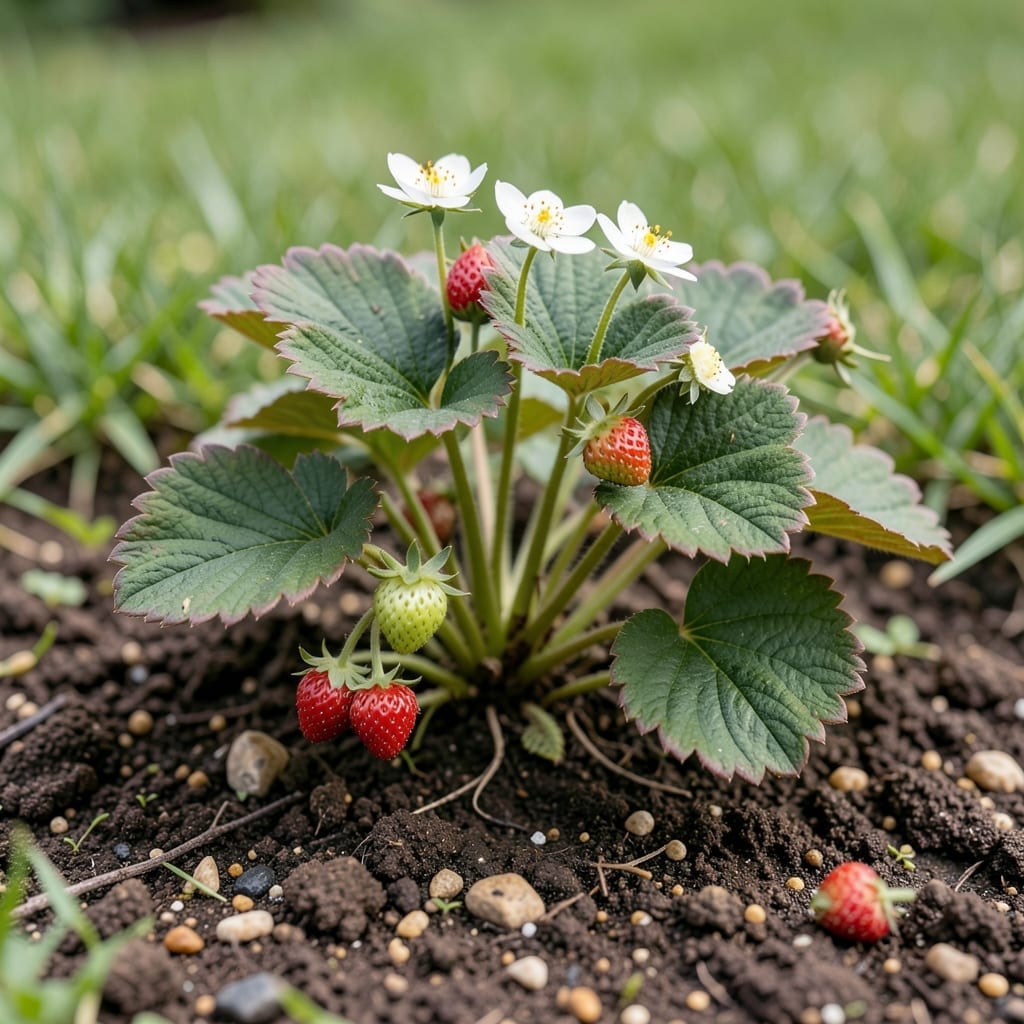
Red strawberry leaves caught my eye last season—turns out they’re screaming for help. 🌱
It’s not just about looks; those red veins and edges mean your plants are stressed from nutrient shortages, pests, or even too much sun. I’ve seen phosphorus deficiencies turn leaves purple-red overnight, while spider mites leave a bronze sheen.
Fixing it starts with a soil test and a close look at the leaf pattern. Most issues clear up with a balanced fertilizer or neem oil spray within 1-2 weeks.
Catch it early, and your berries will thank you come harvest time.
Strawberry leaves turning red often signal underlying stress or disease. Below are the most common causes, each with a scientific basis and actionable insights.
Phosphorus or magnesium shortages can cause red or purple discoloration in older leaves. Phosphorus is vital for energy transfer in plants, and its deficiency triggers anthocyanin (a red pigment) production. Magnesium, a central atom in chlorophyll, leads to interveinal reddening when lacking. Test soil pH—acidic conditions (below 6.0) often limit nutrient uptake. Amend with bone meal (for phosphorus) or Epsom salt (for magnesium).
Pathogens like Diplocarpon earlianum (leaf spot disease) or Phytophthora fragariae (red stele) disrupt chlorophyll, exposing red pigments. Fungal spores thrive in wet, poorly ventilated conditions. Remove infected foliage immediately and improve airflow. Apply copper-based fungicides preventatively in humid climates.
Cold snaps or UV exposure can damage leaf cells, prompting anthocyanin accumulation as a protective response. Strawberries prefer temperatures between 60–80°F (15–27°C). Use row covers during unexpected frost or shade cloth in intense sunlight to mitigate stress.
Both overwatering and drought stress the plant. Overwatering suffocates roots, reducing nutrient absorption, while drought halts photosynthesis. Maintain consistent moisture (1–1.5 inches per week) and ensure well-draining soil to avoid waterlogged roots.
If your strawberry plants have red leaves, act fast to restore their health. Below are targeted fixes based on the most common causes, along with prevention tips to keep your garden thriving.
Fix: Test your soil with a kit to confirm missing nutrients. For nitrogen deficiency, apply a balanced fertilizer (10-10-10) or organic options like compost or fish emulsion. If it’s phosphorus, add bone meal or rock phosphate. For potassium, use wood ash or greensand. Water lightly after application to help absorption.
Prevent: Amend soil annually with compost and rotate crops to avoid depletion. 💡 Pro tip: Foliar sprays (e.g., seaweed extract) can give leaves a quick nutrient boost.
Fix: Let the soil dry slightly between waterings—strawberries prefer moist but not soggy roots. If drainage is poor, transplant to raised beds or containers with well-draining potting mix. Trim any blackened, mushy roots before replanting.
Prevent: Use mulch (straw or pine needles) to retain moisture without waterlogging. Ensure pots have drainage holes, and avoid watering late in the day.
Fix: Shield plants with shade cloth (30-50%) during peak afternoon sun, especially in hot climates. Move potted strawberries to a cooler spot temporarily. Prune damaged leaves to redirect energy to healthy growth.
Prevent: Plant in areas with dappled sunlight or morning sun only. Water deeply in the early morning to hydrate roots before heat sets in. ✨ Bonus: Drip irrigation keeps foliage dry and reduces stress.
Fix: Spray leaves with neem oil or insecticidal soap (follow label instructions) to target spider mites or aphids. Remove heavily infested leaves by hand and dispose of them in sealed bags. Introduce beneficial insects like ladybugs for natural control.
Prevent: Inspect plants weekly for pests, especially under leaves. Encourage biodiversity with companion plants like marigolds or garlic to deter invaders.
Fungal issues like leaf spot can spread, but nutrient deficiencies or sunburn won’t. Isolate affected plants to prevent fungal spores from traveling.
With proper treatment, new growth should appear green within 1-2 weeks. Damaged leaves won’t recover, but healthy ones will emerge.
Yes, if the issue is environmental or nutritional. Avoid berries from plants with fungal infections until treated. Always wash thoroughly before eating.