
Beautiful Plants For Your Interior
Beautiful Plants For Your Interior
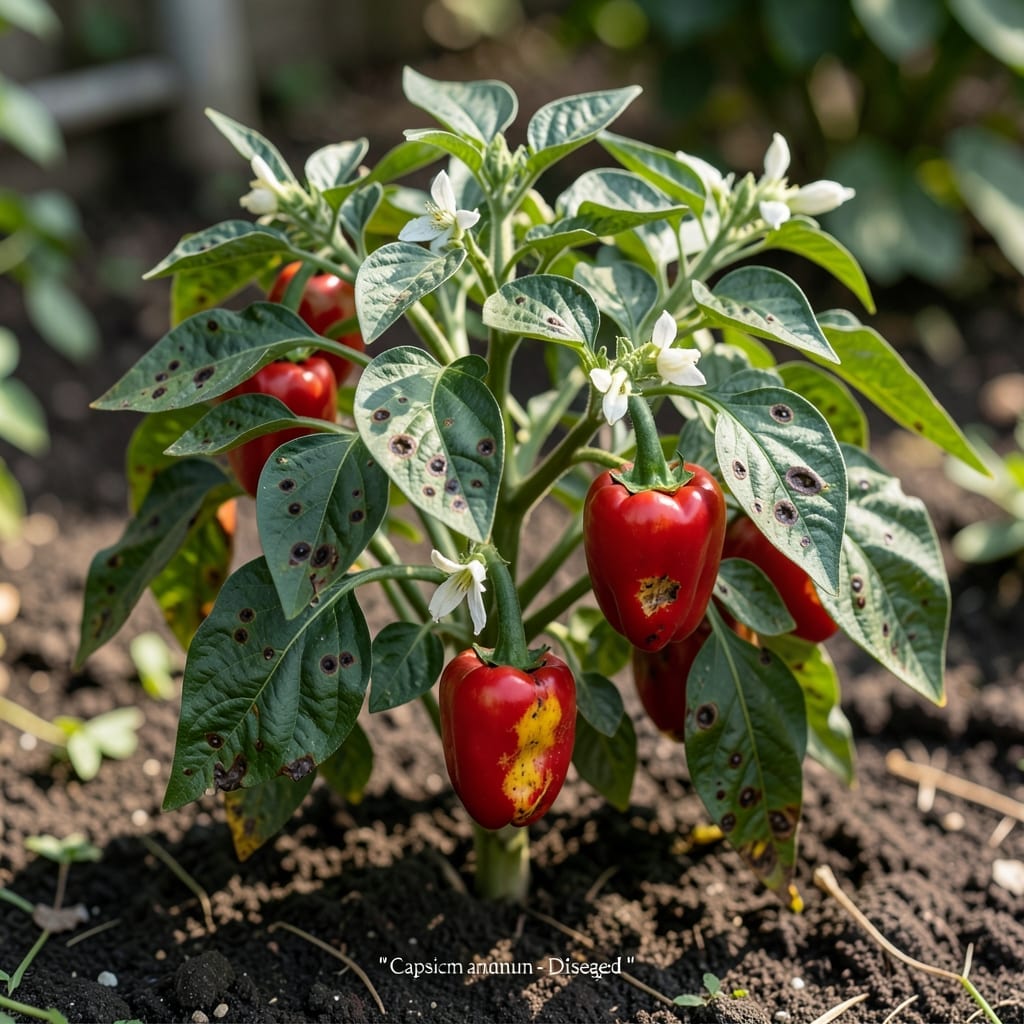
Nothing ruins a growing season faster than watching your red pepper plants sicken. I’ve lost entire crops to diseases that started as subtle spots on leaves before spreading like wildfire.
Early detection is your best defense. Most red pepper diseases announce themselves with telltale signs—yellowing leaves, dark spots, or wilting stems. Catching these symptoms early means the difference between saving your plants and starting over.
The good news is that most common issues respond well to natural remedies and preventive care. Simple changes in watering habits, spacing, or soil health can stop problems before they start.
This guide helps you identify what’s wrong and fix it fast, so your plants stay productive all season long.
Understanding why red pepper diseases occur is the first step toward prevention and control. Below are the primary causes, each with distinct triggers that compromise plant health.
Extreme temperatures, excessive moisture, or poor soil drainage create ideal conditions for pathogens. High humidity (above 85%) encourages fungal spores to germinate, while waterlogged roots suffocate plants, weakening their defenses. Drought stress, on the other hand, reduces a pepper’s ability to absorb nutrients, making it more susceptible to infections like Phytophthora blight.
Fungal, bacterial, and viral pathogens spread through contaminated soil, water, or infected plant debris. Fusarium and Verticillium wilt fungi persist in soil for years, entering through root wounds. Insects like aphids and whiteflies transmit viruses such as Pepper Mosaic Virus as they feed. Even gardening tools or human hands can carry spores from plant to plant if not sterilized.
Overcrowding plants limits airflow, fostering fungal growth like powdery mildew. Improper crop rotation allows soil-borne diseases to build up, while over-fertilization (especially with nitrogen) produces lush but weak foliage that attracts pests. Additionally, using uncertified seeds or seedlings may introduce diseases from the start.
Insects such as spider mites, thrips, and beetles create entry points for pathogens by damaging leaves and stems. Their feeding wounds expose plant tissues to secondary infections, like bacterial spot (Xanthomonas campestris). Aphids also excrete honeydew, which promotes sooty mold growth, further stressing the plant.
Dealing with red pepper diseases doesn’t have to be overwhelming. Below are targeted solutions for common issues, paired with prevention tips to keep your plants thriving.
Prune infected leaves immediately and destroy them (do not compost). Apply copper-based fungicides weekly until symptoms subside. Prevent it: Rotate crops yearly, avoid overhead watering, and use disease-resistant pepper varieties.
Spray affected plants with a mix of 1 tbsp baking soda + 1 tsp dish soap + 1 gallon of water. Repeat every 5–7 days. Prevent it: Space plants 18–24 inches apart, water at the base, and remove weeds that trap moisture.
Remove and burn infected plants to stop the spread. Disinfect tools with 10% bleach solution after each use. Prevent it: Control aphids (common carriers) with neem oil and plant virus-resistant seeds.
Add crushed eggshells or a calcium-rich fertilizer to the soil. Keep soil moisture consistent—avoid drought stress. Prevent it: Test soil pH (aim for 6.0–6.8) and mulch to retain moisture.
Stop watering immediately and let soil dry. Apply hydrogen peroxide (3%) diluted in water (1:10 ratio) to oxygenate roots. Prevent it: Use raised beds or well-draining soil, and avoid overwatering.
💡 Pro Tip: Always sterilize pots and gardening tools between uses to prevent disease recurrence!
Watch for yellowing leaves, dark spots, or white powdery patches. Wilting despite adequate water can signal root issues. Early detection is key to stopping the spread.
For severe infections, removal is safest to protect other plants. Some diseases like powdery mildew respond to treatment if caught early.
Rotate crops yearly, space plants 18-24 inches apart, and use neem oil for pests. Always sterilize tools between uses.
Yes! Waterlogged soil creates perfect conditions for root rot. Water at the base and let soil dry between waterings.