
Beautiful Plants For Your Interior
Beautiful Plants For Your Interior
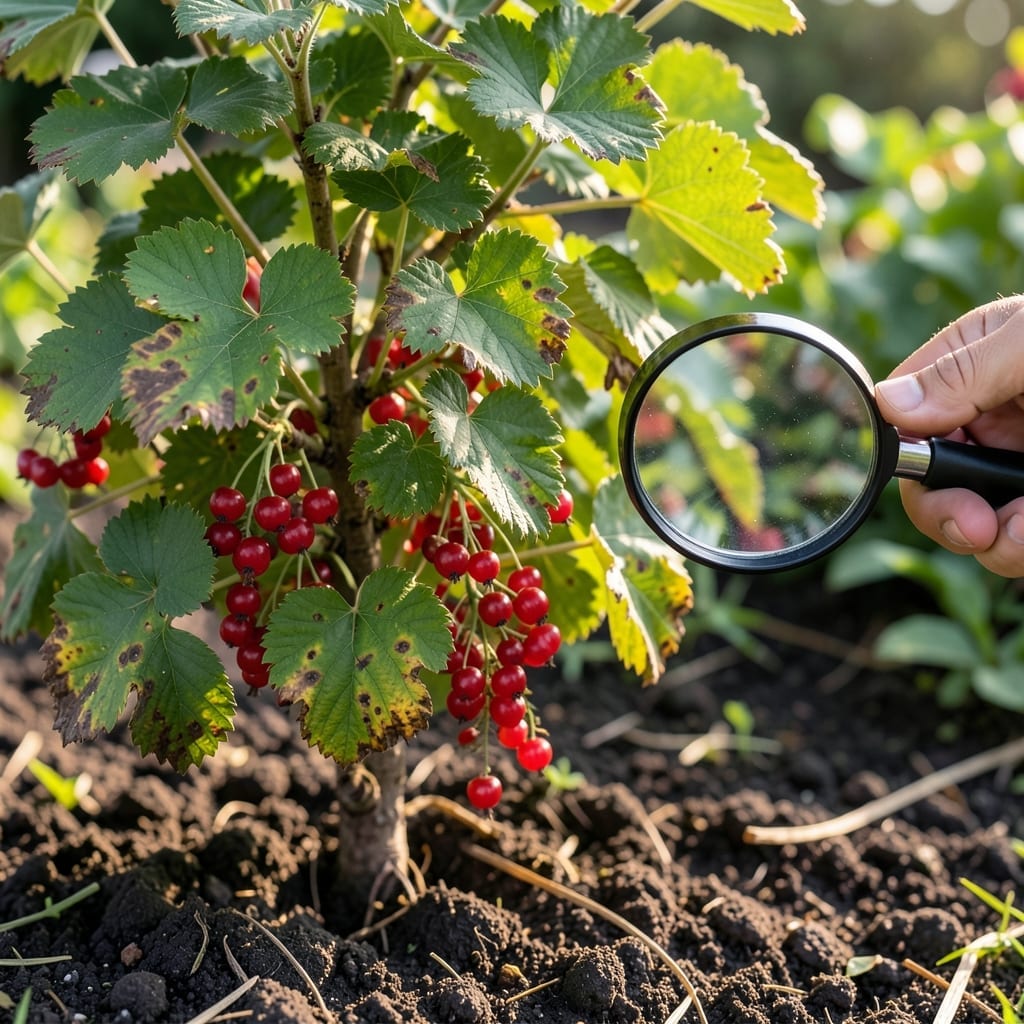
Spotting trouble on your red currants before it spreads saves the harvest. I’ve lost entire bushes to silent invaders that started as tiny spots on leaves.
Early signs often look like yellowing edges, white powder, or blackened shoots. Most gardeners miss these until it’s too late. The right organic fixes can stop problems in 48 hours.
You’ll learn to recognize the patterns—rust, anthracnose, powdery mildew—before they take hold. Simple sprays and pruning habits keep bushes productive for 10+ years.
Works for backyard growers and small orchards alike. Here’s what to watch for.
Understanding why diseases strike your red currant bushes is the first step in preventing them. Here are the primary causes, broken down for clarity and action.
Excessive moisture is a leading cause of fungal diseases like anthracnose and powdery mildew. Fungi thrive in damp, poorly ventilated environments, often spreading through splashing water or contaminated tools. Overhead watering and dense planting can create ideal conditions for spores to germinate and infect leaves, stems, or fruit.
Pests such as currant aphids and mites weaken the plant by feeding on sap, leaving it vulnerable to secondary infections. These pests also spread viral diseases like red currant gall as they move between plants. Regular monitoring and early intervention are key to preventing pest-related diseases.
Extreme weather, such as prolonged drought or sudden frost, stresses red currant bushes, reducing their natural defenses. Stress can manifest as leaf scorch, wilting, or stunted growth, making the plant more susceptible to pathogens. Proper site selection and consistent care help mitigate these risks.
A lack of essential nutrients, particularly nitrogen or potassium, can compromise plant health. Weakened plants are less able to resist diseases like leaf spot or canker. Conducting soil tests and amending accordingly ensures your bushes have the nutrients they need to stay resilient.
Red currant bushes can fall victim to several common diseases, but early action can save your harvest. Below are targeted solutions for each issue, paired with prevention tips to keep your plants thriving.
If you spot a white, powdery coating on leaves, remove and destroy affected foliage immediately to stop the spread. Spray the plant with a baking soda solution (1 tsp baking soda, 1 quart water, ½ tsp liquid soap) weekly until symptoms fade. For severe cases, use neem oil or sulfur-based fungicides.
Prevention tip: 💡 Improve air circulation by pruning dense growth and watering at the base to keep leaves dry.
Brown or purple spots on leaves often signal fungal or bacterial infections. Remove infected leaves and dispose of them in the trash (not compost). Apply copper fungicide or a garlic-chili spray (blend 2 garlic cloves, 1 chili pepper, 1 liter water, strain, and spray) every 10 days until the problem resolves.
Prevention tip: 🌡️ Avoid overhead watering and mulch around the base to reduce soil-borne spores splashing onto leaves.
Aphids and currant borers can weaken plants and spread disease. Blast them off with a strong stream of water or apply insecticidal soap. For borers, prune and burn infested branches in late winter before they emerge.
Prevention tip: ✨ Encourage natural predators like ladybugs and lacewings by planting companion flowers such as marigolds or yarrow nearby.
If your currant shows stunted growth, yellowing leaves, or poor fruiting, it may have reversion virus. Dig up and destroy the entire plant—this disease has no cure. Replace with certified virus-free stock.
Prevention tip: 🎯 Always source plants from reputable nurseries and disinfect pruning tools between cuts with rubbing alcohol.
That’s powdery mildew, a fungal issue thriving in damp conditions. Improve airflow by pruning crowded branches and avoid overhead watering. A baking soda spray can treat early cases.
Blackened shoots often indicate anthracnose. Prune affected areas immediately and apply copper fungicide. Severe cases may require removing the plant to protect others.
Encourage natural predators like ladybugs with companion plants. Use insecticidal soap for aphids and remove infested wood in late winter for borers.
Yellowing often signals reversion virus or nutrient deficiency. Test soil for nitrogen or potassium shortages. If viral, remove the plant and replant with certified stock.