
Beautiful Plants For Your Interior
Beautiful Plants For Your Interior
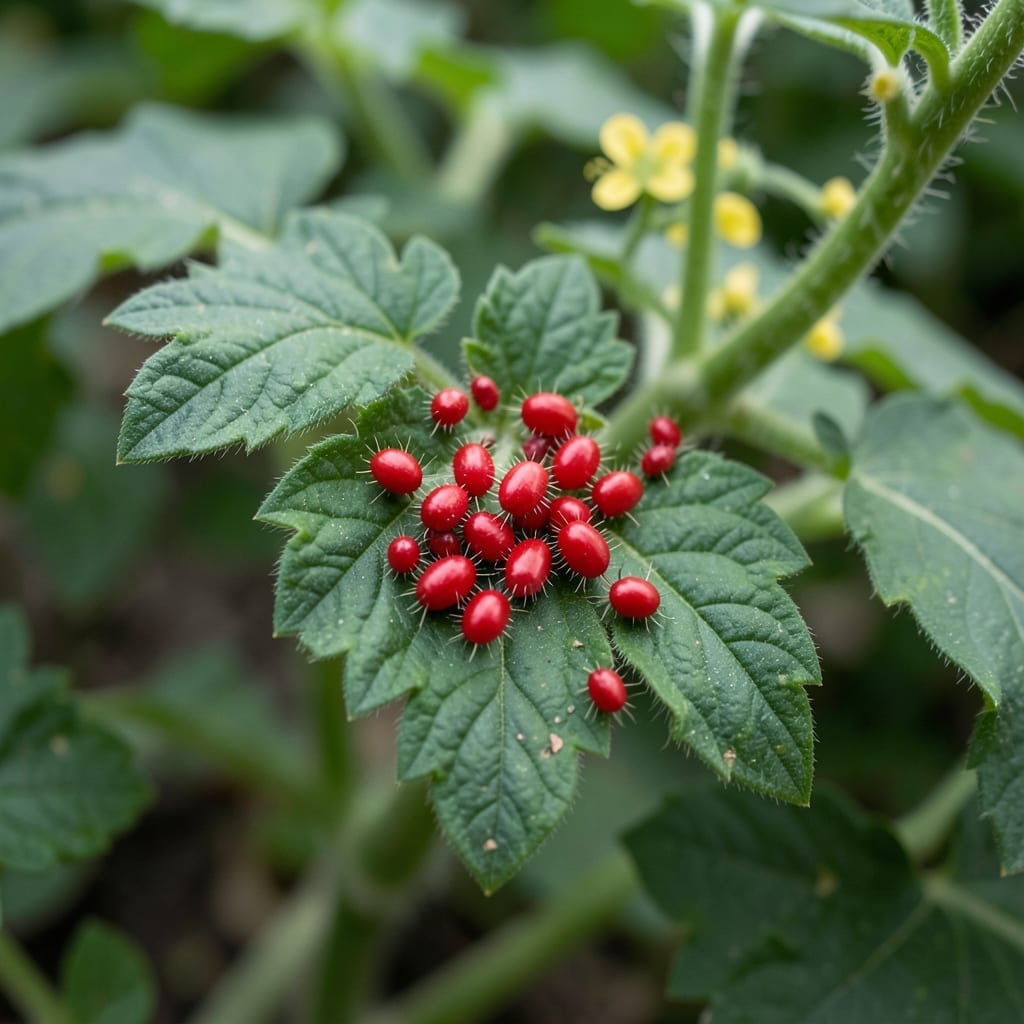
Those tiny red invaders on your tomato leaves aren’t just annoying—they’re stealing your harvest. I spotted them last season just as my plants were setting fruit, and the damage escalated fast.
These pests weaken plants by sucking sap, causing yellowing leaves and stunted growth. Left unchecked, they’ll multiply and spread to neighboring plants in your garden. The good news? You can fight back without harsh chemicals.
Organic solutions like neem oil or insecticidal soap work wonders when applied consistently. I’ve also had success with beneficial insects that prey on these bugs naturally.
Your tomatoes can recover and thrive with the right approach. Here’s how to reclaim your garden from these unwelcome visitors.
Red bugs on tomato plants often appear due to a mix of environmental and biological factors. Understanding these causes helps you prevent and address the issue effectively.
When tomato plants are spaced too closely, poor air circulation creates a humid, sheltered environment—ideal for red bugs like Lygus lineolaris (tarnished plant bugs) to thrive. These pests feed on plant sap, stunting growth and deforming fruit. Action: Thin seedlings early and maintain 18–24 inches between plants.
Overwatering or poor drainage leads to damp foliage, attracting red spider mites and aphids, which often appear reddish in certain life stages. These pests pierce plant cells, causing yellowing leaves and reduced yields. Action: Water at the base of the plant in the morning to allow foliage to dry.
High temperatures (above 85°F) and low humidity stress tomato plants, making them more susceptible to red bug infestations. Spider mites, in particular, reproduce rapidly in such climates. Action: Use shade cloth during peak heat and mist plants to deter mites.
Gardens lacking biodiversity often see red bug populations explode unchecked. Beneficial insects like ladybugs and lacewings naturally prey on these pests. Action: Plant companion flowers (e.g., marigolds, alyssum) to attract predatory insects.
Dealing with red bugs on your tomato plants can be frustrating, but these practical solutions will help you reclaim your garden. Below are targeted fixes for common causes, along with prevention tips to keep your plants thriving.
Blast aphids off with a strong stream of water early in the morning. For stubborn cases, mix 1 tablespoon of neem oil and 1 teaspoon of mild soap in a quart of water, then spray directly on the bugs. Prevention tip: 💡 Introduce ladybugs or lacewings—they’re natural predators of aphids!
Spider mites thrive in dry conditions. Mist your plants regularly or place a tray of water near them to boost humidity. For immediate action, wipe leaves with a soapy water solution (1 tsp dish soap per liter). Prevention tip: ✨ Keep plants well-hydrated and avoid over-fertilizing, which attracts mites.
Set up yellow sticky traps near your tomato plants to catch adult whiteflies. For larvae, spray with insecticidal soap every 3–4 days until gone. Prevention tip: 🎯 Rotate crops annually and remove plant debris to disrupt their lifecycle.
Check undersides of leaves for tiny red or orange bugs. Spider mites leave fine webbing while aphids cluster in groups. Use a magnifying glass for better visibility.
No, when properly diluted (1 tablespoon per quart of water). Always test on a small area first and apply in early morning or late evening. Avoid using during peak sun.
Yes! Plant marigolds or basil nearby and introduce beneficial insects like ladybugs. Regular leaf inspections catch problems early.
Remove heavily infested leaves immediately. For severe cases, use insecticidal soap every 3-4 days until gone. Isolate affected plants to prevent spread.