
Beautiful Plants For Your Interior
Beautiful Plants For Your Interior
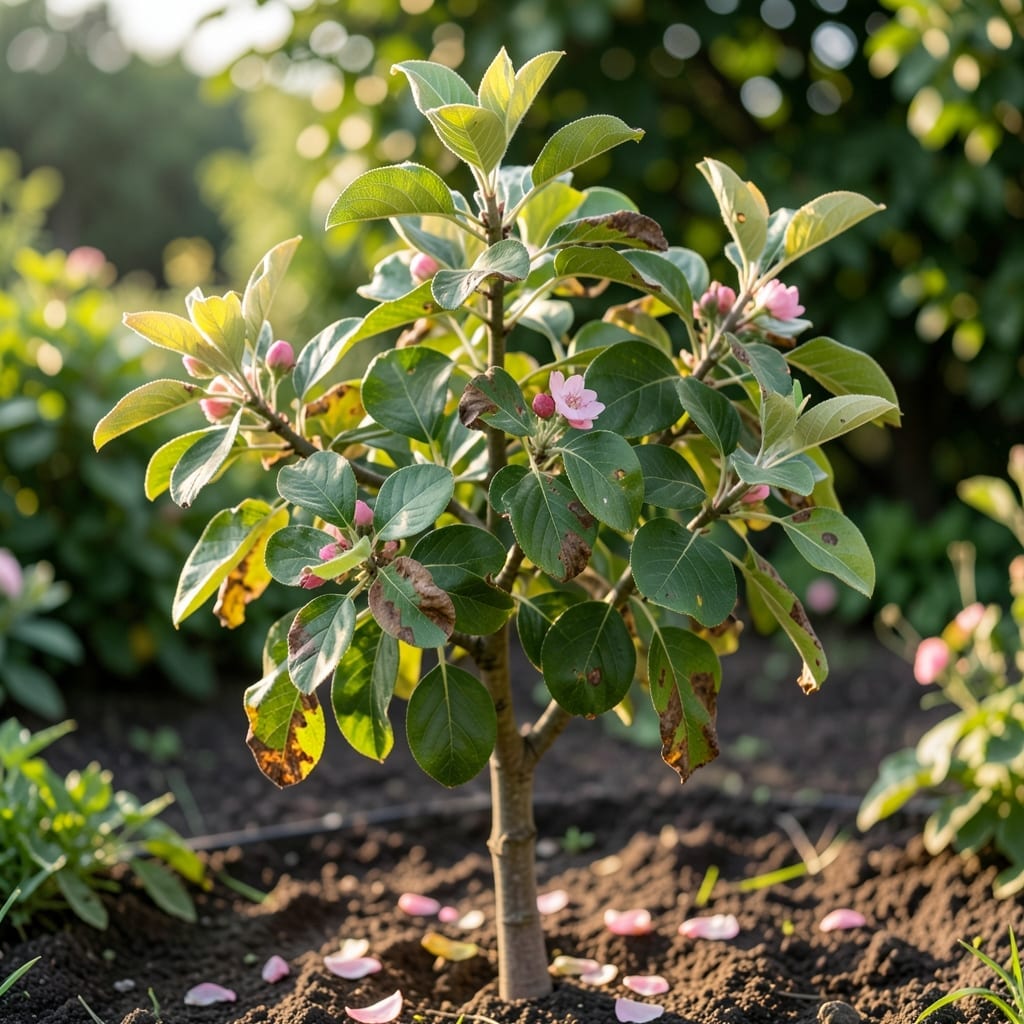
Spotted brown patches on your quince leaves? Don’t panic—I’ve battled this exact issue and learned how to turn the tide. It’s not just unsightly; left unchecked, it can weaken your entire plant.
This fungal invader thrives in wet, humid conditions, so the first defense is improving air circulation around your plants. I discovered that simple pruning and spacing made a huge difference in just one season.
You’ll see the best results with a mix of prevention and treatment. Remove infected leaves immediately, avoid overhead watering, and apply the right fungicide at the first sign of trouble.
Works for both young and established quince plants. Here’s how to keep them healthy and productive.
Understanding the root causes of quince leaf blight helps you prevent and manage this destructive disease. Here are the primary factors behind its development:
The primary culprit is the fungal pathogen Entomosporium maculatum, which thrives in warm, wet conditions. This fungus spreads via water splashes, infected plant debris, or contaminated tools. It invades leaves through natural openings or wounds, leading to the characteristic purple-brown spots and premature defoliation.
Prolonged leaf wetness from rain, overhead irrigation, or high humidity creates an ideal environment for fungal spores to germinate. Poor air circulation in dense canopies or shaded areas further exacerbates the problem by trapping moisture on the foliage.
Moderate temperatures (60–75°F) combined with high humidity accelerate fungal growth. Spring and early summer, when these conditions are common, are peak times for infection. Sudden temperature drops can also stress the plant, making it more susceptible to disease.
Weak or stressed quince trees, often due to nutrient deficiencies, drought, or root damage, lack the vigor to resist fungal attacks. Over-fertilization, particularly with nitrogen, can also promote lush, tender growth that’s more prone to infection.
Fungal spores overwinter in fallen leaves, twigs, and fruit remnants. If not removed, these debris serve as a persistent source of inoculum, reinfecting the tree in the following growing season.
Tackling quince leaf blight starts with identifying the root cause and applying the right fix. Here’s a practical guide to restoring your plant’s health and keeping the problem at bay.
If fungal pathogens are the culprit, act fast. Prune infected leaves and branches with sterilized shears to stop the spread. Dispose of the debris far from your garden—never compost it. Apply a copper-based fungicide or neem oil spray, following label instructions. Repeat every 7–10 days until symptoms vanish.
Soggy soil invites blight. Improve drainage by amending the soil with compost or sand. Water only when the top inch of soil feels dry, and avoid wetting the leaves. Use drip irrigation to target the roots directly. Morning watering allows foliage to dry quickly in the sun.
Dense canopies trap moisture, creating a fungal playground. Thin out crowded branches to boost airflow. Space plants at least 3–4 feet apart. Regularly remove dead or crossing branches to keep the center open and breezy.
Consistency is key—combine these steps for a thriving, blight-free quince tree!
Early symptoms include purple-brown spots on leaves that may yellow around the edges. Leaves often drop prematurely, and severe cases show defoliation. Check undersides for tiny fungal spores during wet weather.
Yes, but act quickly. Remove all infected foliage and branches immediately. Apply copper fungicide every 7-10 days until recovery. Improve airflow by thinning the canopy to prevent recurrence.
Neem oil or baking soda sprays work as organic alternatives. Mix 1 tablespoon baking soda with 1 gallon water and a drop of dish soap. Apply weekly as a preventive measure, especially after rain.
Remove all fallen leaves and debris in autumn. Sterilize pruning tools between uses. Space plants for good airflow and avoid overhead watering. A dormant oil spray in late winter helps too.