
Beautiful Plants For Your Interior
Beautiful Plants For Your Interior
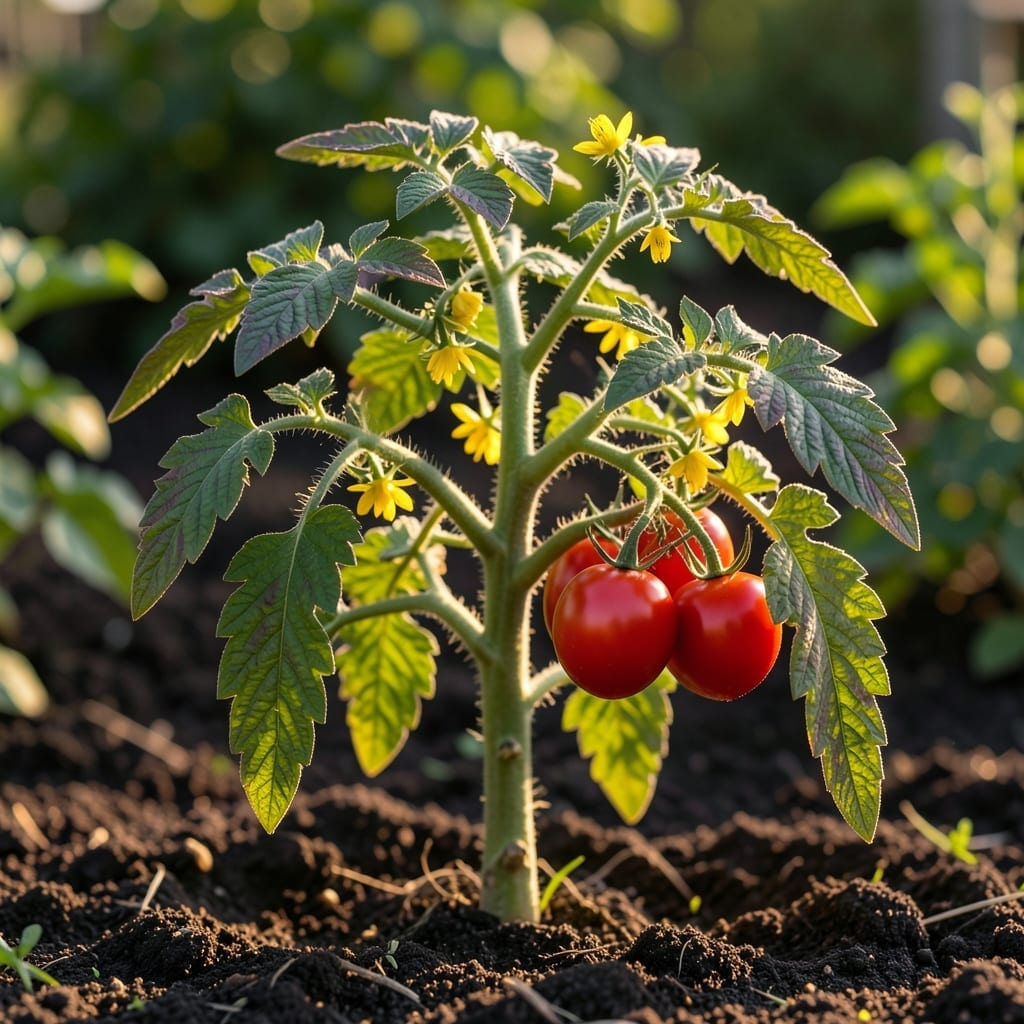
Purple leaves on tomatoes always catch me off guard. 🌱 I first noticed this last spring, and it took me a while to figure out it wasn’t just a quirky variety.
Turns out, it’s usually a phosphorus shortage or a cold snap. The leaves turn purple on the undersides first, and the plant growth slows down. I’ve learned that a simple soil test can confirm the issue.
Quick fixes include adding bone meal or a phosphorus-rich fertilizer. If cold is the culprit, row covers or moving pots indoors can help. Within a week, you’ll often see the color returning to normal.
Prevention is easier than you think. Start seeds indoors earlier, use warm soil, and avoid overwatering. These small steps keep your plants thriving all season.
Purplish leaves on tomato plants are a visual distress signal, often tied to specific environmental or nutritional imbalances. Here’s a breakdown of the most common causes, explained with actionable insights.
One of the primary culprits is phosphorus deficiency. Phosphorus is vital for energy transfer and root development in plants. When soil temperatures drop below 55°F (13°C), phosphorus becomes less available, even if it’s present in the soil. This leads to a buildup of anthocyanins (purple pigments) in the leaves, particularly on the undersides and stems. Cold, waterlogged, or highly acidic soils (pH below 5.5) exacerbate this issue.
Tomatoes are warm-season crops, and prolonged exposure to chilly temperatures (below 50°F/10°C) can trigger purpling. Cold stress disrupts phosphorus uptake and slows metabolic processes, causing leaves—especially older ones—to turn purple or reddish. This is common in early spring or late fall plantings.
Excess moisture suffocates roots, reducing their ability to absorb phosphorus and other nutrients. Waterlogged soil also lowers soil temperature, compounding the problem. Ensure containers have drainage holes and garden beds are well-aerated to prevent this.
Tomatoes thrive in slightly acidic to neutral soil (pH 6.0–7.0). If the pH is too low (acidic), phosphorus and other nutrients become locked in the soil, unavailable to the plant. A simple soil test can confirm if pH adjustment (e.g., adding lime) is needed.
Excess nitrogen or potassium can block phosphorus uptake, even if phosphorus is present. Over-fertilizing with nitrogen-rich products (e.g., fresh manure) may cause lush green growth at the expense of phosphorus absorption, leading to purple veins or leaf edges.
When your tomato plants start showing purplish leaves, the solution often lies in adjusting care routines or soil conditions. Below are targeted fixes for the most common causes, along with prevention tips to keep your plants thriving.
Fix: Add a balanced fertilizer (like 10-10-10) or a phosphorus-rich option (e.g., bone meal). Work it into the soil around the base of the plant, then water thoroughly. For a quick boost, use a liquid phosphorus supplement and follow package instructions.
Prevention: Test your soil before planting. Amend with compost or well-rotted manure to improve nutrient availability. Avoid overwatering, which can leach phosphorus from the soil. 💡 Pro tip: Keep soil pH between 6.0 and 7.0 for optimal phosphorus uptake.
Fix: Protect plants from chilly nights with row covers or cloches. If growing in containers, move them indoors or to a sheltered spot. For in-ground plants, mulch heavily with straw or shredded leaves to insulate roots.
Prevention: Start seedlings indoors and only transplant outdoors after the last frost date. Use black plastic mulch to warm the soil early in the season. 🌡️ Pro tip: Ideal soil temperature for tomatoes is 60°F (15°C) or higher.
Fix: Apply a potassium sulfate or greensand supplement to the soil. Water deeply to help roots absorb the nutrient. Yellowing leaf edges with purple hues often signal this issue.
Prevention: Incorporate wood ash or banana peels (rich in potassium) into the soil at planting time. Avoid excessive nitrogen, which can block potassium uptake. ✨ Pro tip: Companion plant with beans or peas to naturally boost soil potassium.
Fix: Remove and destroy infected plants to prevent spread. Disinfect tools with a 10% bleach solution after handling. For mild cases, neem oil may slow progression but won’t cure the virus.
Prevention: Use disease-resistant tomato varieties and rotate crops yearly. Control aphids (common virus carriers) with insecticidal soap. 🎯 Pro tip: Space plants 2–3 feet apart for better airflow.
Not immediately, but it signals stress that can stunt growth and reduce yields. Address it quickly to prevent long-term damage.
Check soil temperature: below 55°F suggests cold stress. If soil is warm, phosphorus deficiency is likely. Undersides of leaves purple first in both cases.
Yes, new growth should return to normal color within 1-2 weeks of correcting the issue. Existing purple leaves may not fully recover.
Use well-draining soil and keep containers in warm spots. Add bone meal at planting and monitor soil temperature closely.