
Beautiful Plants For Your Interior
Beautiful Plants For Your Interior
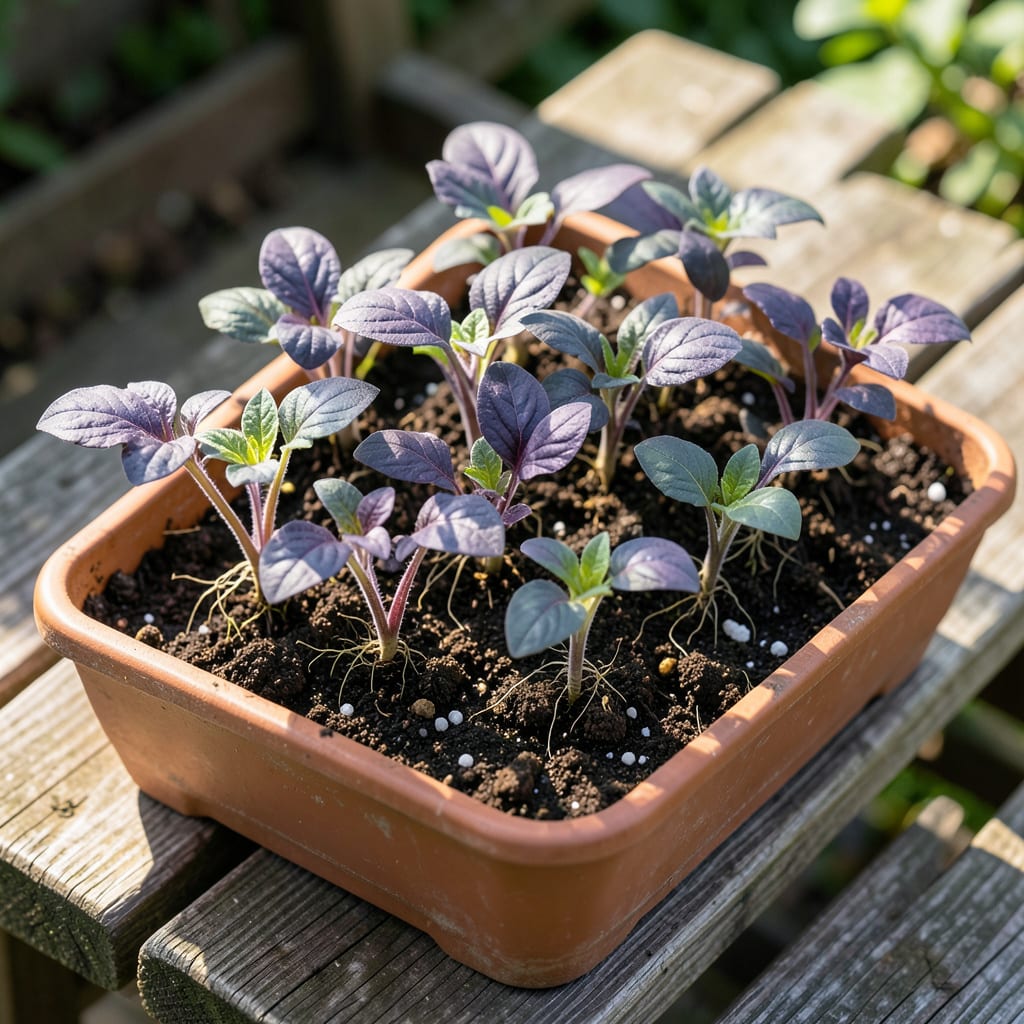
Purple leaves on tomato seedlings always catch me off guard. It’s not a death sentence, but it is a cry for help—usually from phosphorus deficiency or temperature stress.
I’ve seen this happen most often in early spring when soil is still cold. Seedlings can’t absorb nutrients properly, and their leaves turn that deep, almost bruised purple. Other times, it’s overwatering or compacted soil.
Fixing it starts with warming the soil and adjusting your feeding routine. A balanced fertilizer and consistent warmth bring those leaves back to green within 7-10 days.
Prevention is simpler than the cure: start seeds indoors, use seedling heat mats, and avoid overwatering. Healthy seedlings stay vibrant from the first true leaf.
Purple leaves on tomato seedlings are a visual distress signal, often tied to specific nutrient imbalances or environmental stressors. Below are the most common causes, explained with actionable insights.
One of the most frequent culprits is phosphorus deficiency. Phosphorus is vital for energy transfer and root development in seedlings. When soil temperatures drop below 55°F (13°C), phosphorus becomes less available to plants, even if it’s present in the soil. This leads to a buildup of anthocyanins—pigments that turn leaves purple—especially on the undersides and stems. Solution: Warm the soil with black mulch or use a phosphorus-rich fertilizer (e.g., bone meal).
Potassium plays a key role in photosynthesis and nutrient transport. A deficiency can cause purple veins or mottling on older leaves, as the plant struggles to distribute sugars and starches. Cold, waterlogged, or acidic soils (pH below 6.0) often exacerbate this. Solution: Test soil pH and amend with wood ash or a potassium sulfate supplement.
Tomato seedlings are tropical plants and thrive in temperatures between 70–85°F (21–29°C). Exposure to chilly air or soil (below 50°F/10°C) slows metabolic processes, including phosphorus uptake. This stress triggers purple pigmentation, often starting at the leaf edges. Solution: Use heat mats, cloches, or start seedlings indoors until outdoor conditions stabilize.
Soggy soil suffocates roots, reducing their ability to absorb nutrients like phosphorus and nitrogen. This can mimic a deficiency, leading to purple leaves. Solution: Ensure containers have drainage holes and water only when the top inch of soil is dry. Use a well-draining potting mix with perlite or vermiculite.
Some tomato varieties, like ‘Purple Prince’ or ‘Indigo Rose’, naturally develop purple foliage due to high anthocyanin content. If the color is uniform and the plant is otherwise healthy, genetics—not stress—may be the cause. Solution: Research your seedling’s variety to rule out inherited traits.
Purple leaves on your tomato seedlings usually signal a fixable issue. Below are targeted solutions for each common cause, along with prevention tips to keep your plants thriving.
If the purple hue appears on the undersides of leaves or stems, your seedlings likely need phosphorus. Fix: Apply a balanced fertilizer (10-10-10) or switch to one higher in phosphorus (e.g., 5-10-5). For organic growers, bone meal or compost tea works well. Prevent: Test soil before planting and amend with phosphorus-rich organic matter.
Pro tip: 💡 Avoid over-fertilizing—too much nitrogen can block phosphorus uptake.
Purple leaves from chilly temps (below 50°F/10°C) mean your seedlings are stressed. Fix: Move them indoors or to a warmer spot (65–80°F/18–27°C). Use a heat mat or cloche for outdoor plants. Prevent: Start seeds indoors 6–8 weeks before the last frost, and harden them off gradually before transplanting.
Soggy roots can’t absorb nutrients, leading to purple discoloration. Fix: Let the top inch of soil dry out between waterings. Repot seedlings in well-draining mix if roots are waterlogged. Prevent: Use containers with drainage holes and a light, airy potting mix (e.g., 50% compost + 50% perlite).
Leggy, purple-tinged seedlings often lack sufficient light. Fix: Provide 14–16 hours of bright light daily with grow lights (LED or fluorescent) 2–4 inches above the plants. Prevent: Place seedlings in a south-facing window or under lights as soon as they sprout.
Pro tip: ✨ Rotate seedlings daily for even light exposure.
Soil that’s too acidic or alkaline can lock out phosphorus. Fix: Test soil pH (ideal: 6.0–6.8 for tomatoes). Adjust with lime (to raise pH) or sulfur (to lower pH) as needed. Prevent: Use a pH-balanced potting mix and retest every few months.
Yes, leaves often return to green within 7-10 days after fixing the issue. Warm the soil, adjust nutrients, or improve drainage to see improvement.
No, purple leaves are rarely from disease. They usually indicate nutrient deficiencies or cold stress. Focus on environmental fixes rather than fungicides.
Only remove them if they’re severely damaged. Otherwise, wait for recovery. New growth will be green once conditions improve.
Temporary purple leaves won’t harm future fruit. But prolonged stress can stunt growth. Address the cause quickly for best yields.
