
Beautiful Plants For Your Interior
Beautiful Plants For Your Interior
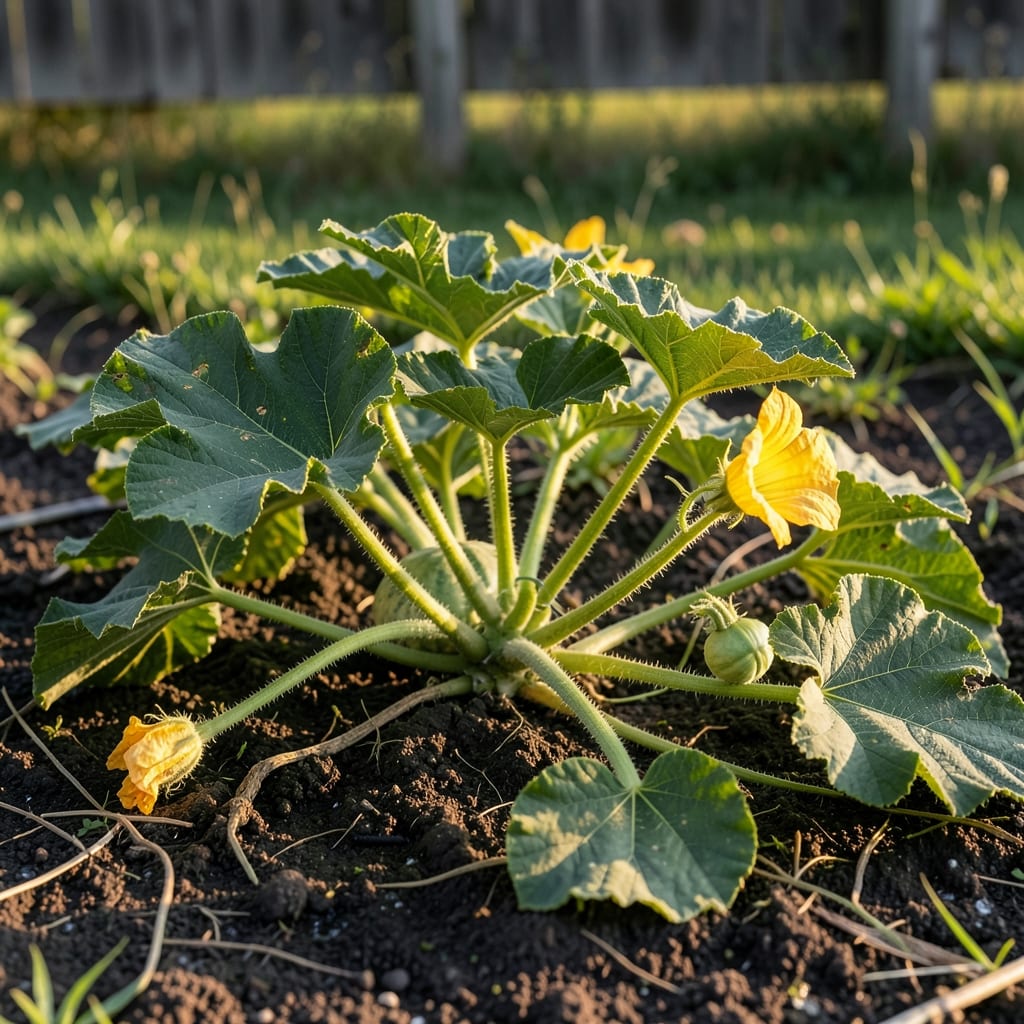
Those broad green leaves are your pumpkin’s powerhouse. I’ve learned they do more than photosynthesize—they shield fruit from sunburn and signal when something’s wrong with the vine.
Healthy ones stay vibrant green and firm. Yellowing, spots, or wilting mean trouble. Spot issues early and you’ll keep vines productive all season long.
📚 In This Guide
Here’s my proven approach to keeping your vines thriving and identifying issues before they spread.
Begin by checking the overall color of your pumpkin vine leaves. Healthy leaves should be a deep, uniform green without yellowing or pale spots. I look for any mottling or irregular patterns first thing in the morning when dew makes issues more visible.
Watch for yellowing between veins, which often signals a nutrient deficiency. If you see this, it’s time to test your soil. The leaves should feel slightly rough to the touch—smooth or sticky surfaces can indicate pest presence or disease development.
Inspect the leaf edges for any browning, holes, or ragged tears. These can be signs of insect feeding or environmental stress. I run my fingers gently along the leaf surface to feel for any unusual bumps or ridges that might indicate pest activity.
Healthy leaves should feel firm but not brittle. If leaves are wilting or drooping during the cooler parts of the day, your vines might be underwatered. However, some wilting during the hottest part of the afternoon is normal—pumpkins often conserve water this way.
Pumpkin vines need full sun (at least 6-8 hours daily). Check if leaves are oriented toward the sun or if they appear to be stretching toward light sources. Leaves that are reaching or growing on long, thin stems suggest inadequate light.
Watch for sun scorch, which appears as white or beige patches on leaves exposed to intense afternoon sun. This is common during heat waves. If you notice this, consider providing temporary shade during the hottest hours (12-3 PM) to prevent further damage.
Healthy vines produce new leaves continuously. Track the emergence of new growth—you should see fresh leaves unfurling every 3-5 days during active growth periods. If growth slows dramatically, it’s often a sign of stress from water, nutrients, or pests.
Compare older leaves to newer ones. If new leaves are smaller than usual or have distorted shapes, your plants might be struggling with nutrient uptake. I keep a garden journal to note these changes—it helps me spot patterns before they become serious problems.
Set a consistent schedule to check your vines, ideally every 2-3 days. Early morning is best because dew makes problems easier to spot. I start at the base of the plant and work my way out along the vines, checking both upper and lower leaf surfaces.
Pay special attention to the undersides of leaves, where pests like squash bugs often hide. Use a small flashlight if needed to inspect these areas thoroughly. This routine helps catch issues early when they’re easiest to treat and prevents small problems from becoming vine-wide crises.
These insights will help you maintain vibrant foliage and prevent common issues.
Monitoring Technique: In Step 1, examine both upper and lower leaf surfaces daily. Yellowing between veins signals nitrogen deficiency, while brown edges indicate water stress. The deep green color and slightly rough texture are your benchmarks for healthy leaves.
Watering Strategy: As outlined in Step 2, always water at soil level using a soaker hose or drip irrigation. Water deeply in the morning until soil is damp 6-8 inches down, giving leaves time to dry before evening to prevent fungal diseases.
Sunlight and Spacing: For Step 3, ensure your vines get full sun for at least 6-8 hours daily. Space plants 4-6 feet apart to allow air circulation and prevent humidity buildup that encourages fungal growth.
Pruning Protocol: Following Step 4, remove damaged leaves immediately with clean pruning shears, cutting at the base of the leaf stem. Sterilize tools with rubbing alcohol between cuts to prevent spreading pathogens, and always dispose of diseased leaves in the trash.
Yellow leaves often indicate overwatering, nutrient deficiencies, or pests. Check soil moisture, adjust fertilization, and inspect for bugs like aphids.
Prune leaves in the early morning when the plant is dry to prevent disease. Remove damaged or diseased foliage first, and avoid excessive pruning during fruiting.
Yes! Young, tender pumpkin vine leaves are edible and nutritious. Harvest them early, cook like spinach, and enjoy in soups or stir-fries.
Powdery mildew, downy mildew, and bacterial leaf spot are frequent issues. Improve airflow, avoid overhead watering, and use fungicides if needed.
Use row covers, handpick pests like squash bugs, and apply neem oil or insecticidal soap. Rotate crops yearly to deter recurring infestations.