
Beautiful Plants For Your Interior
Beautiful Plants For Your Interior
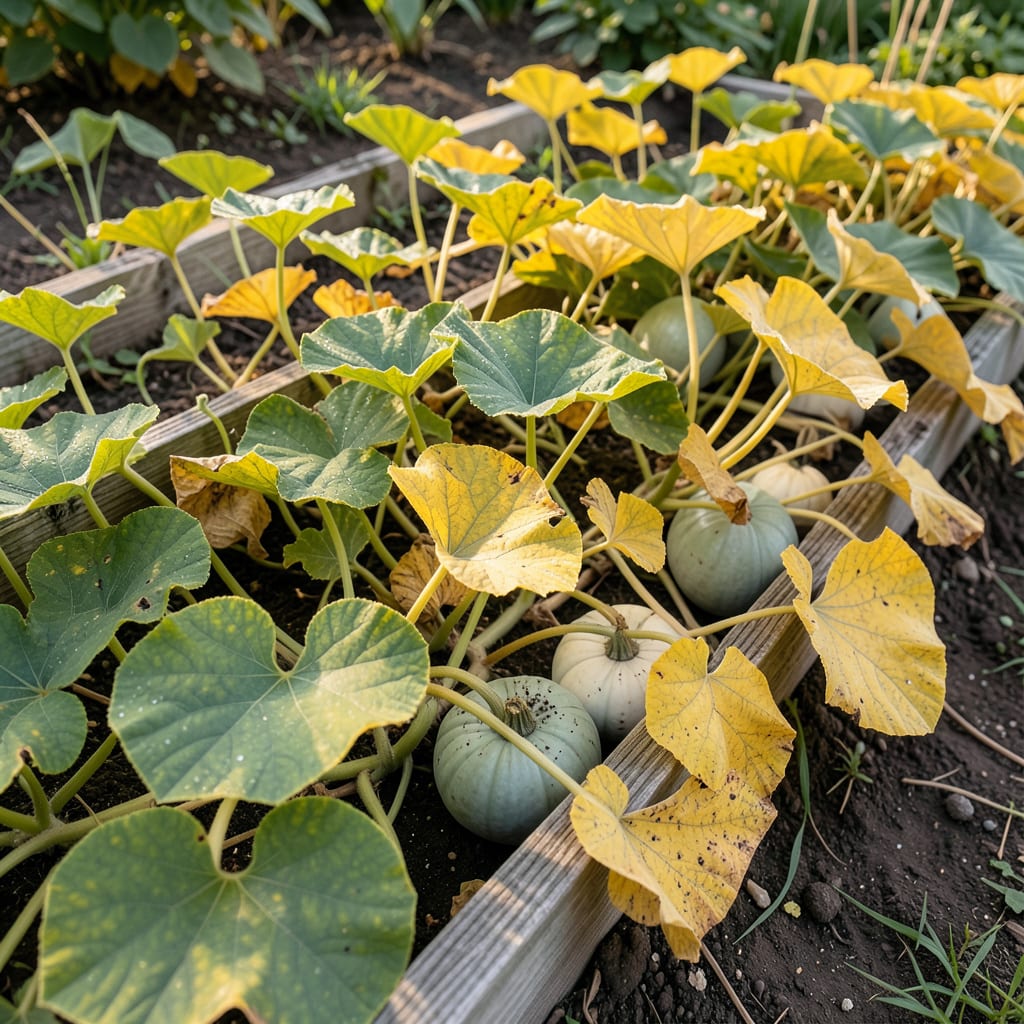
Yellow pumpkin vines sent me into a panic my first growing season. Turns out, it’s usually a simple fix once you know what to look for.
Most often, it’s either too much water drowning the roots or not enough nutrients in the soil. I’ve seen both turn healthy green vines yellow overnight. Check your watering schedule first—pumpkins hate soggy feet.
If the soil stays dry but vines still yellow, test for nitrogen or magnesium deficiency. A quick soil test or leaf analysis reveals exactly what’s missing. The solution is often just a targeted fertilizer application.
Don’t ignore pests either. Spider mites and squash bugs can stress plants enough to cause yellowing. Catch them early and your vines will bounce back fast.
Pumpkin vines turning yellow is often a sign of underlying issues that disrupt their health. Below are the most common causes, explained with actionable insights.
Yellowing vines frequently indicate a lack of essential nutrients. Nitrogen deficiency typically causes uniform yellowing of older leaves first, as the plant redirects nitrogen to newer growth. Magnesium or iron deficiencies may lead to interveinal chlorosis (yellowing between veins), especially in younger leaves. A soil test can confirm imbalances—amend with compost or targeted fertilizers (e.g., Epsom salt for magnesium) to restore vitality.
Excess moisture suffocates roots, reducing oxygen uptake and leading to yellow, wilted vines. Pumpkins thrive in consistently moist but well-draining soil. If the soil stays soggy, roots rot, and the plant can’t absorb nutrients. Check drainage by digging a small hole—if water pools for hours, improve soil structure with organic matter or raised beds.
Pathogens like powdery mildew or bacterial leaf spot can cause yellow patches or spots on leaves. These often spread in humid conditions or via contaminated tools. Remove infected foliage immediately and apply copper-based fungicides or neem oil as a preventive measure. Crop rotation and proper spacing (3–5 feet between plants) improve airflow to discourage disease.
Sap-sucking pests like aphids, spider mites, or squash bugs drain plant fluids, causing yellowing and stunted growth. Inspect the undersides of leaves for tiny insects or webbing. Blast pests off with water or use insecticidal soap. Encourage natural predators (e.g., ladybugs) by planting companion flowers like marigolds.
If your pumpkin vines are turning yellow, don’t panic! Most causes are fixable with a few simple adjustments. Below are targeted solutions for each common issue, along with prevention tips to keep your vines vibrant and healthy.
Yellowing often signals a lack of nitrogen (lower leaves) or magnesium (between veins). Fix: Apply a balanced, slow-release fertilizer (10-10-10) or work compost into the soil. For magnesium, sprinkle Epsom salt (1 tablespoon per gallon of water) at the base. Prevent: Test soil annually and amend before planting. Rotate crops to avoid depletion.
Soggy soil suffocates roots, turning leaves yellow. Fix: Let the top 1-2 inches of soil dry out between waterings. Improve drainage by mixing in sand or perlite. If root rot is suspected, trim affected roots and repot in fresh, dry soil. Prevent: Use drip irrigation to target roots and avoid wetting foliage. Mulch with straw to retain moisture without waterlogging.
Spider mites, aphids, or fungal infections (like powdery mildew) stress vines. Fix: Spray leaves with neem oil or insecticidal soap for pests. For fungi, remove infected leaves and apply a copper-based fungicide. Prevent: Space plants for airflow, water early in the day, and avoid overhead watering. Inspect leaves weekly for early signs.
Scorched leaves turn yellow or brown. Fix: Use shade cloth (30-40%) during peak afternoon hours. Move potted vines to a brighter but indirect light spot. Prevent: Harden off seedlings gradually before transplanting, and choose varieties suited to your climate’s intensity.
Pro Tip: 💡 Yellow leaves won’t turn green again, but fixing the issue helps new growth stay healthy. Always sterilize tools between cuts to prevent spreading disease!
Check your soil first. If it feels soggy, it’s likely overwatering. For nutrients, look for yellowing patterns: older leaves mean nitrogen, while yellow between veins suggests magnesium.
No, once leaves turn yellow they won’t recover. But fixing the underlying problem (water, nutrients, pests) will help new growth stay healthy and green.
Blast pests off with water first. Then apply insecticidal soap or neem oil to both sides of leaves. Repeat every 3-5 days until pests are gone.
Yes, especially in hot climates. Use 30-40% shade cloth during peak afternoon hours to protect vines from scorching.
