
Beautiful Plants For Your Interior
Beautiful Plants For Your Interior
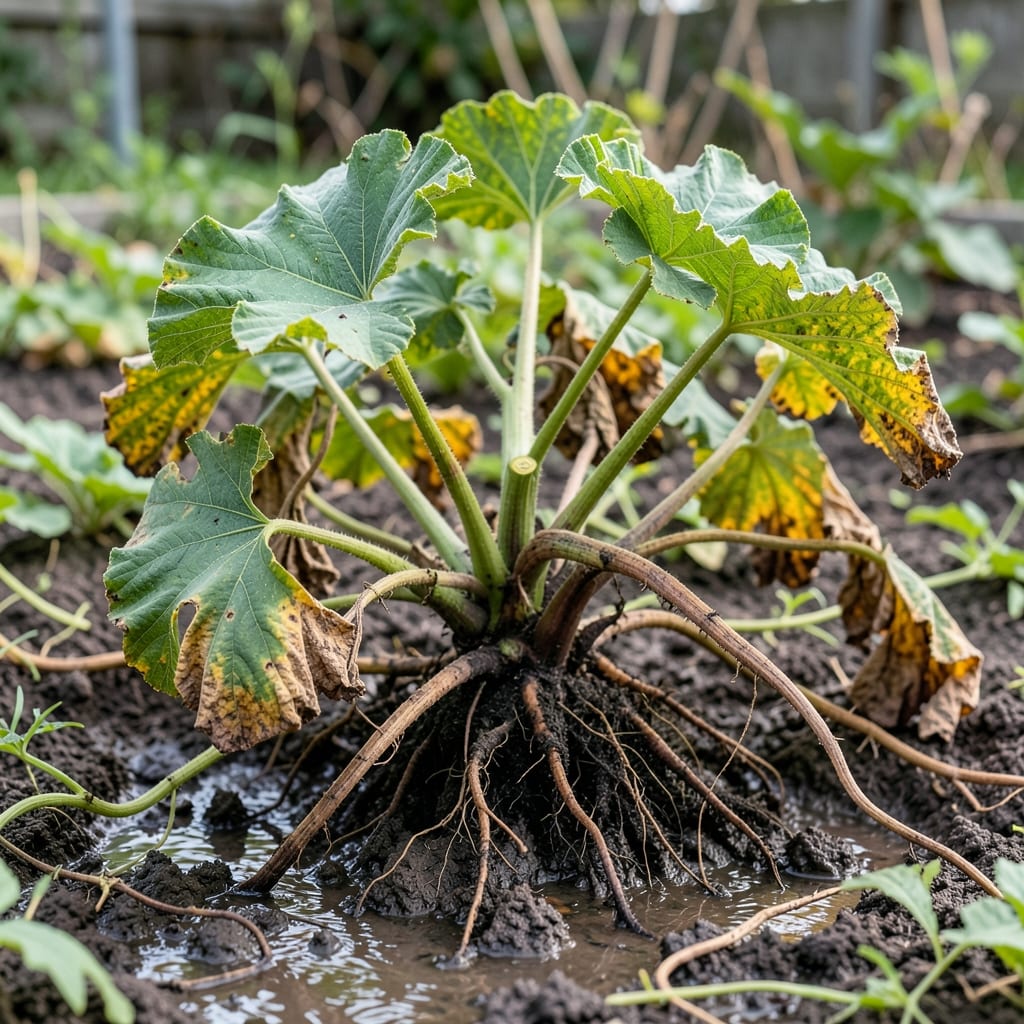
Nothing kills pumpkin dreams faster than root rot creeping in unseen. I learned this the hard way when my entire patch collapsed overnight after weeks of healthy growth.
This silent killer starts with wilting leaves that don’t recover, then yellowing between the veins. The roots turn brown and mushy instead of white and firm. Catching it early means the difference between saving your crop and starting over.
Prevention beats treatment every time. Proper drainage, 3-4 feet between plants, and avoiding overwatering create an environment where rot can’t take hold. Even in wet seasons, these steps keep your vines thriving.
When you spot the first signs, act fast with organic fungicides or remove affected plants to protect the rest. Your pumpkins will thank you.
Pumpkin root rot doesn’t appear out of nowhere—it’s usually the result of a few key environmental and biological factors. Understanding these causes helps you take targeted action to protect your crop. Here’s what’s likely to blame:
Pumpkins thrive in well-draining soil, but saturated conditions suffocate roots and invite fungal pathogens like Phytophthora and Pythium. These water-loving microbes attack weakened roots, leading to rot. Heavy clay soils or frequent rain can exacerbate the problem, as water pools around the root zone instead of draining away.
Fungal root rot pathogens proliferate in temperatures between 75–85°F (24–29°C) with high humidity. These conditions accelerate spore germination and infection. Pumpkin fields in regions with hot, wet summers are especially vulnerable unless preventive measures are in place.
If your soil already harbors Fusarium, Rhizoctonia, or other rot-causing fungi, your pumpkins are at risk from the moment they’re planted. Similarly, using contaminated seeds or seedlings can introduce pathogens directly to the root system. Crop rotation and certified disease-free seeds are critical defenses.
Soil compaction reduces oxygen availability, stressing roots and making them more susceptible to infection. Additionally, low organic matter weakens plant resilience. Amending soil with compost and avoiding heavy machinery near root zones can improve growing conditions.
Tackling pumpkin root rot starts with quick action and smart adjustments. Below are targeted fixes for the most common causes, along with prevention tips to keep your patch thriving. 🌱
Fix: Stop watering immediately if the soil is soggy. Improve drainage by amending the soil with compost or sand to loosen heavy clay. For potted pumpkins, ensure the container has drainage holes. If the rot is mild, trim affected roots with sterilized shears and repot in fresh, well-draining soil.
Prevention: Water only when the top 1-2 inches of soil are dry. Use a moisture meter for precision. 💡 Pro tip: Plant pumpkins in raised beds to avoid waterlogging.
Fix: Remove severely infected plants to prevent spread. For early cases, apply a copper-based fungicide or a homemade mix of 1 tablespoon baking soda + 1 gallon of water + a drop of dish soap. Spray weekly until symptoms fade.
Prevention: Rotate crops yearly to disrupt fungal cycles. Space plants 3-5 feet apart for airflow, and avoid overhead watering. ✨ Bonus: Mulch with straw to reduce soil splashing onto leaves.
Fix: If roots are stressed by heat or cold, shade the soil with black plastic mulch to warm it or use row covers for frost protection. For heat damage, water deeply in the early morning to cool the roots.
Prevention: Plant pumpkins when soil temps are consistently above 60°F. Use a soil thermometer to check. 🌡️ Ideal range: 70-85°F for healthy root growth.
Fix: Loosen compacted soil gently with a fork, avoiding root damage. Add organic matter (like aged manure or leaf mold) to boost nutrients. For nutrient deficiencies, apply a balanced fertilizer (10-10-10) but avoid over-fertilizing, which can burn roots.
Prevention: Test soil pH (aim for 6.0-6.8) and amend as needed. Till the soil to 12 inches deep before planting to encourage deep root growth. 🎯
Look for wilting leaves that don’t recover, yellowing between veins, and brown, mushy roots. Healthy roots should be white and firm.
If caught early, trim affected roots and repot in fresh, well-draining soil. Severe cases may require removing the plant to protect others.
Ensure proper drainage, space plants 3-5 feet apart, and avoid overwatering. Raised beds and crop rotation also help.
Yes! A mix of 1 tablespoon baking soda + 1 gallon water + dish soap can work. Apply weekly until symptoms fade.