
Beautiful Plants For Your Interior
Beautiful Plants For Your Interior
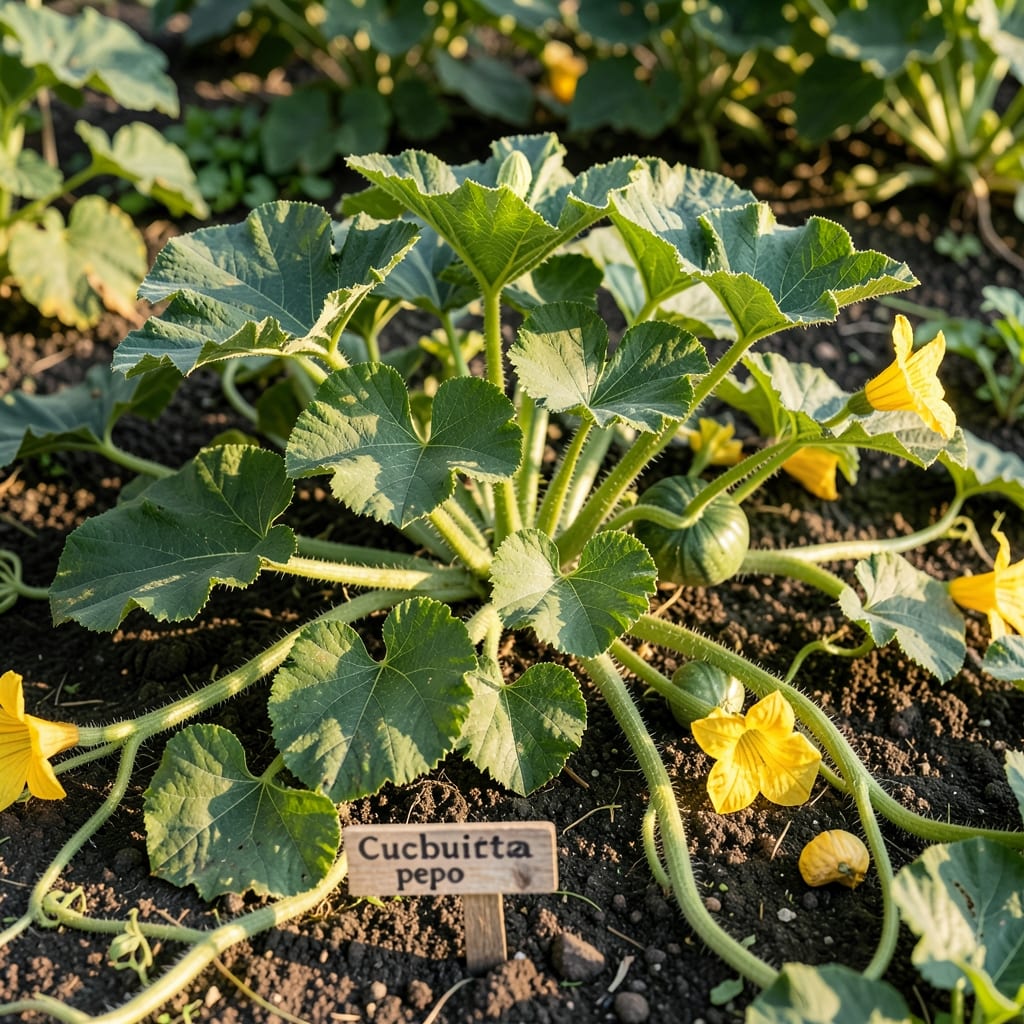
Spot the difference between thriving and struggling pumpkin plants with this visual guide. I’ve spent seasons studying leaf patterns, and healthy ones are deep green with firm, slightly prickly textures and prominent veins.
Unhealthy leaves show telltale signs: white powdery spots, yellow edges, or blackened patches. These often signal powdery mildew, pests, or nutrient deficiencies that can spread fast if ignored.
You’ll learn to recognize early warning signs before they derail your harvest. Catching issues in the first 48 hours can mean the difference between recovery and a lost crop.
Works for all pumpkin varieties, from giant Atlantic to mini Jack Be Little. Here’s how to read the leaves like a pro.
Pumpkin leaves can exhibit unusual patterns, discoloration, or deformities due to several underlying causes. Understanding these triggers helps in accurate pumpkin leaf identification and timely intervention.
Fungi like Powdery Mildew (Podosphaera xanthii) thrive in humid, warm conditions. They form white, powdery patches on leaf surfaces, blocking sunlight absorption and reducing photosynthesis. Overhead watering and poor air circulation exacerbate this issue. Action: Improve airflow, use fungicides (e.g., neem oil), and avoid wetting foliage.
Common pests such as aphids and cucumber beetles feed on sap, causing yellowing, curling, or stippling. Aphids secrete honeydew, promoting sooty mold growth, while beetles transmit bacterial wilt. Action: Introduce beneficial insects (e.g., ladybugs) or apply insecticidal soap.
Extreme temperatures, drought, or waterlogging disrupt cellular functions. Heat stress leads to wilting, while excess moisture causes root rot, manifesting as yellowing leaves. Action: Maintain consistent moisture (1–2 inches of water weekly) and use mulch to regulate soil temperature.
Lack of nitrogen, magnesium, or iron results in distinct leaf symptoms. Nitrogen deficiency causes uniform yellowing, while magnesium deficiency triggers interveinal chlorosis (yellowing between veins). Action: Conduct a soil test and amend with balanced fertilizers or specific micronutrients.
If your pumpkin leaves look off, quick action can restore their health. Here’s how to address common problems with clear, step-by-step fixes.
Fix: Test soil pH (ideal: 6.0–6.8). If too alkaline, add sulfur; if acidic, use lime. For nutrient deficiencies, apply a balanced fertilizer (10-10-10) or compost. Water deeply at the base to avoid surface runoff.
Prevent: Rotate crops yearly to deplete soil-borne pathogens and replenish nutrients. 💡 Pro tip: Mulch with straw to retain moisture and regulate soil temperature.
Fix: Remove infected leaves and discard (do not compost). Spray remaining foliage with a baking soda solution (1 tsp baking soda + 1 quart water + a few drops of dish soap). Repeat weekly until cleared.
Prevent: Space plants 3–4 feet apart for airflow. Water in the morning so leaves dry quickly. ✨ Bonus: Plant resistant varieties like ‘Jarrahdale’ or ‘Cinderella’.
Fix: Handpick visible pests (like squash bugs) and drop them in soapy water. For aphids, blast leaves with water or use neem oil spray. Apply diatomaceous earth around the base to deter crawlers.
Prevent: Attract beneficial insects (ladybugs, lacewings) by planting companion flowers like marigolds or nasturtiums. 🎯 Key: Inspect leaves weekly for early signs.
Fix: Check soil moisture—stick your finger 2 inches deep. If dry, water thoroughly; if soggy, improve drainage with sand or perlite. For viral wilts (e.g., cucumber mosaic), remove and destroy the plant to stop spread.
Prevent: Use drip irrigation to keep foliage dry. Avoid overhead watering to reduce fungal risks. 🌡️
Healthy leaves are deep green with firm texture, slightly prickly to touch, and have prominent veins. They should appear vibrant and free from spots or discoloration.
Look for white, powdery spots on the upper leaf surfaces. These patches spread quickly and can cover entire leaves if untreated.
Yellowing often indicates nutrient deficiency (like nitrogen) or overwatering. Check soil moisture and consider a soil test to identify missing nutrients.
Yes, with early intervention. Remove pests by hand or use neem oil spray. Severe cases may require trimming damaged leaves to encourage new growth.