
Beautiful Plants For Your Interior
Beautiful Plants For Your Interior
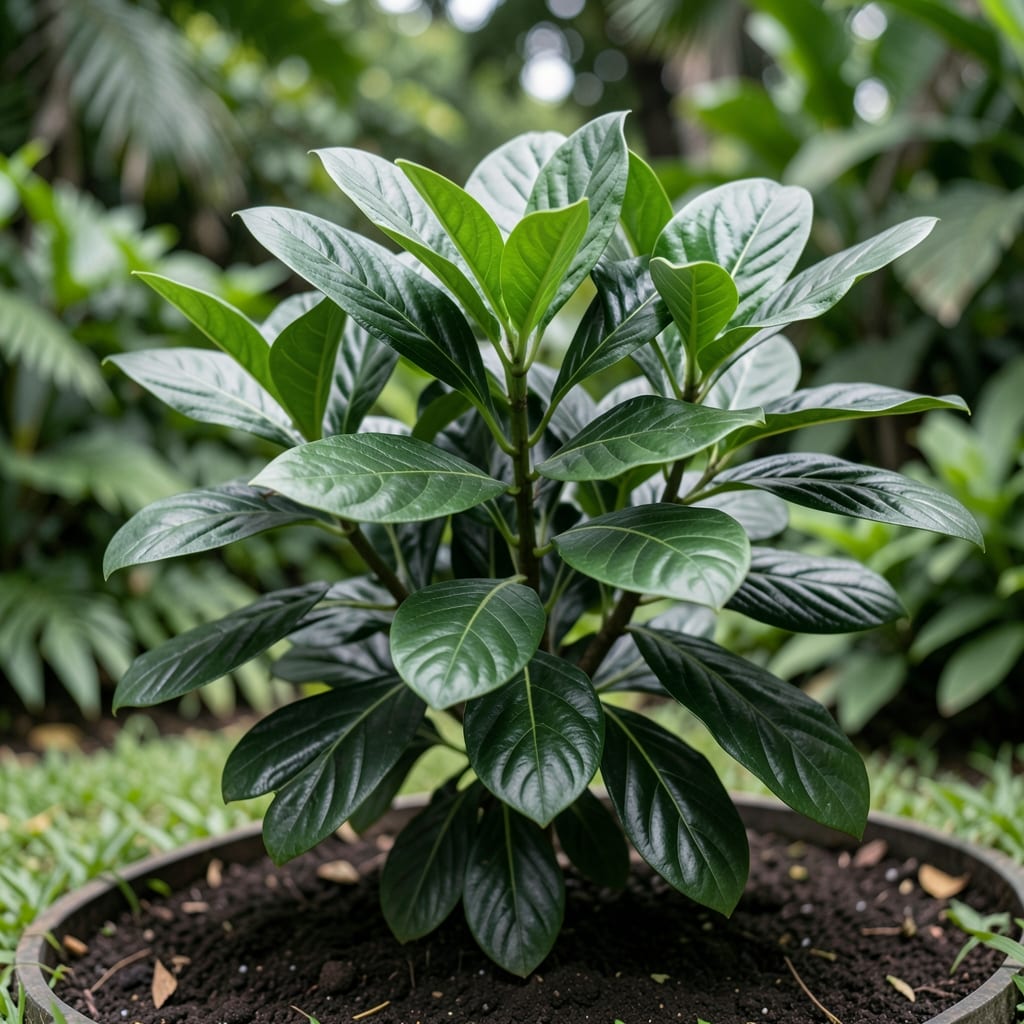
Psychotria viridis rewards patience with glossy, vibrant leaves that thrive under the right care. I learned the hard way that this tropical plant demands consistent warmth and humidity to avoid crispy edges.
Start with well-draining soil and indirect light, and you’ll see new growth within weeks. The key is mimicking its rainforest home—keep it moist but never soggy. Proper care means healthy foliage year-round.
📚 In This Guide
Here’s the method I’ve refined to help you achieve vigorous, healthy plants every time.
Psychotria viridis thrives in conditions mimicking its tropical understory origins. Select a location with bright, indirect light—direct sun scorches the delicate foliage. I maintain 70-80°F with 60-70% humidity using a pebble tray beneath the pot to prevent leaf tip burn.
The soil must drain exceptionally well. I use a mix of 50% peat moss, 30% perlite, and 20% orchid bark to replicate the loose, airy forest floors it prefers. Compacted or waterlogged soil leads to root rot within 48 hours.
Gently remove the plant from its nursery container, taking care not to disturb the root ball. Position it in a pot 2 inches larger than the current one—too much space encourages excessive moisture retention. The crown should sit ½ inch above the soil line to prevent stem rot.
Water immediately after planting until it drains from the bottom, then wait until the top inch of soil feels dry. This species despises soggy conditions. You’ll notice new growth at the nodes within 2-3 weeks if conditions are right.
Keep the soil evenly moist but never saturated. I water when the top layer just begins to dry, typically every 5-7 days in warm conditions. The leaves will droop slightly when thirsty—a reliable visual cue.
Fertilize monthly during the growing season with a balanced, water-soluble 10-10-10 at half strength. Yellowing lower leaves often signals nitrogen deficiency, while brown leaf tips indicate excess salts from over-fertilizing.
Regular pruning encourages bushier growth and prevents legginess. I trim back the top 1/3 of new growth every 6-8 weeks using sterilized shears. Always cut just above a leaf node at a 45-degree angle to direct water away from the stem.
Remove any yellow or damaged leaves immediately—they drain energy and invite pests. After pruning, mist the foliage lightly to reduce stress. You’ll see fresh growth at the cut sites within 10-14 days.
Spider mites and aphids are the most common pests. I inspect the undersides of leaves weekly with a magnifying glass. A neem oil spray applied every 7-10 days prevents infestations without harming the plant.
Prevent fungal issues by ensuring good air circulation. If you spot powdery mildew (white patches on leaves), reduce humidity immediately and treat with copper fungicide. Healthy plants resist disease better, so consistent care is your best defense.
Here’s what I’ve learned through trial and error to keep your plants thriving.
Environment Control: Maintaining that precise 70-80°F range with 60-70% humidity is non-negotiable. I’ve found that a small humidifier paired with a pebble tray works better than misting alone, which can encourage fungal growth if overdone. Direct sunlight will scorch the leaves irreparably.
Soil Mix Precision: The 50% peat moss, 30% perlite, and 20% orchid bark blend isn’t just a suggestion—it’s engineered for optimal drainage. Compacted or waterlogged soil will indeed cause root rot within 48 hours, so resist the urge to overwater. If the top inch of soil feels dry, it’s time to water.
Pruning Technique: When trimming back the top 1/3 of new growth every 6-8 weeks, always use sterilized shears and cut at that 45-degree angle. This isn’t just for aesthetics—it prevents water from pooling on the stem, which can lead to rot. Fresh growth typically appears within 10-14 days post-pruning.
Pest Prevention: Weekly inspections with a magnifying glass catch spider mites and aphids early. The neem oil spray applied every 7-10 days is your best defense, but ensure good air circulation to avoid fungal issues. Copper fungicide is effective for powdery mildew, but prevention through proper humidity control is key.
Psychotria viridis thrives in warm, humid climates with partial shade. Use well-draining soil and water regularly, keeping the soil moist but not soggy. Ideal temperatures range between 70-85°F (21-29°C).
Harvest leaves in the morning after the dew has dried for peak potency. Choose mature, vibrant green leaves, typically 4-6 months after planting. Avoid over-harvesting to sustain plant health.
Watch for spider mites, aphids, and whiteflies. Use neem oil or insecticidal soap for treatment. Ensure good airflow and avoid overwatering to prevent fungal issues like powdery mildew.
Yes, the leaves are often brewed into teas for traditional uses. Steep 1-2 fresh or dried leaves in hot water for 5-10 minutes. Start with small quantities to assess tolerance.
Yellow leaves may indicate overwatering, nutrient deficiency, or poor drainage. Check soil moisture and adjust watering. Use a balanced fertilizer if deficiency is suspected.