
Beautiful Plants For Your Interior
Beautiful Plants For Your Interior
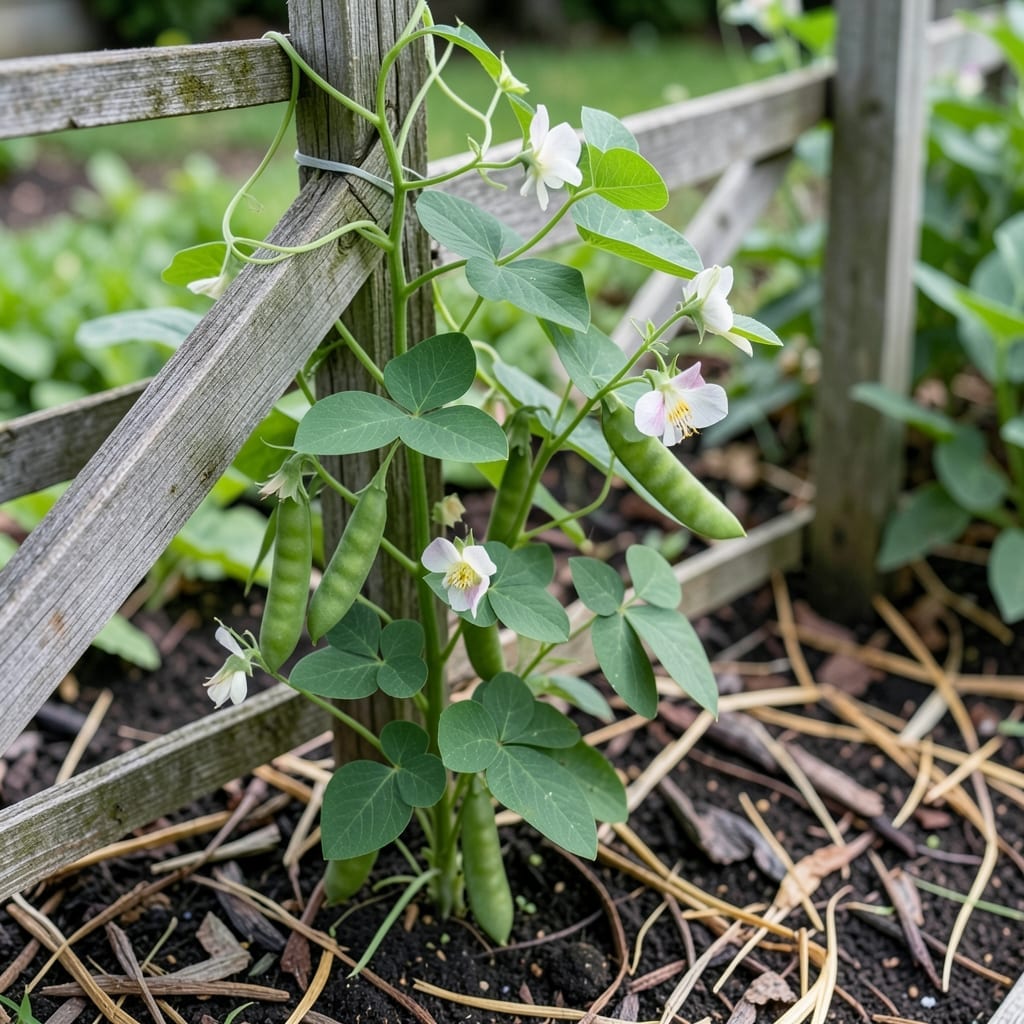
Peas should be the easiest crop in your garden. 🌱 I’ve grown them for years, but even I hit snags with wilting vines, yellow leaves, or pods that never fill out properly.
The good news? Most issues are fixable with quick adjustments. Aphids, powdery mildew, and heat stress are the usual suspects, and they all leave distinct clues if you know where to look.
With the right fixes, you’ll see vines bouncing back within 48 hours and pods plumping up like they should. The solutions are simpler than you’d expect.
Works for both bush and pole varieties, in ground or containers. Here’s how to diagnose and treat each problem fast.
Peas are generally hardy, but several factors can derail their growth. Here’s why your plants might be underperforming:
Peas thrive in well-draining, slightly acidic to neutral soil (pH 6.0–7.5). Heavy clay or compacted soil restricts root development, while overly sandy soil drains too quickly, starving roots of moisture and nutrients. Nitrogen deficiency (visible as yellowing leaves) often occurs in depleted soils, even though peas fix their own nitrogen—they need it early to establish.
Peas are cool-season crops, ideal at 60–75°F. Heat above 85°F halts pod production and causes blossom drop. Conversely, frost or prolonged cold (below 40°F) stunts growth and delays germination. Planting too late in spring or too early in fall exposes them to these stressors.
Fluctuating moisture levels lead to split peas or poor pod formation. Overwatering suffocates roots and encourages fungal diseases like powdery mildew, while drought stress forces plants to abort flowers. Aim for 1 inch of water weekly, keeping soil evenly moist but not soggy.
Aphids, pea weevils, and root rot fungi (e.g., Fusarium) target weakened plants. Aphids spread viruses like pea enation mosaic, while wet foliage invites downy mildew. Crop rotation, resistant varieties, and proper spacing reduce these risks.
Peas are a rewarding crop, but they can face a few common issues. Here’s how to tackle them and keep your plants thriving.
If peas aren’t sprouting, the soil may be too cold or compacted. Fix it: Loosen the soil and ensure it’s well-draining. Plant seeds 1–2 inches deep in soil that’s at least 40°F (4°C). For a head start, soak seeds overnight to soften the shell. Prevention tip: 💡 Test soil temperature with a thermometer before planting.
Aphids, pea weevils, or birds can wreak havoc. Fix it: Use row covers to block pests, or spray a mild soap solution for aphids. For birds, set up netting or reflective tape. Prevention tip: ✨ Plant companion herbs like mint or cilantro to deter pests naturally.
Yellow leaves often signal overwatering or nitrogen deficiency. Fix it: Let the soil dry slightly between waterings. Add compost or a balanced fertilizer to boost nutrients. If roots are soggy, improve drainage with mulch. Prevention tip: 🌡️ Water early in the day to prevent fungal growth.
White powdery spots on leaves mean mildew. Fix it: Prune crowded foliage to increase airflow. Spray with a baking soda solution (1 tsp baking soda + 1 quart water + a few drops of soap). Prevention tip: 🎯 Space plants 2–3 inches apart and avoid overhead watering.
Yellow leaves often mean overwatering or nitrogen deficiency. Let soil dry slightly between waterings and add compost. If roots are soggy, improve drainage with mulch.
Space plants 2–3 inches apart and avoid overhead watering. Prune crowded foliage and spray with a baking soda solution if needed.
Heat above 85°F often halts pod production. Plant in cooler seasons and provide afternoon shade if temperatures rise.
Yes! Row covers block aphids and pea weevils. Remove them during flowering to allow pollination, then replace if pests return.