
Beautiful Plants For Your Interior
Beautiful Plants For Your Interior
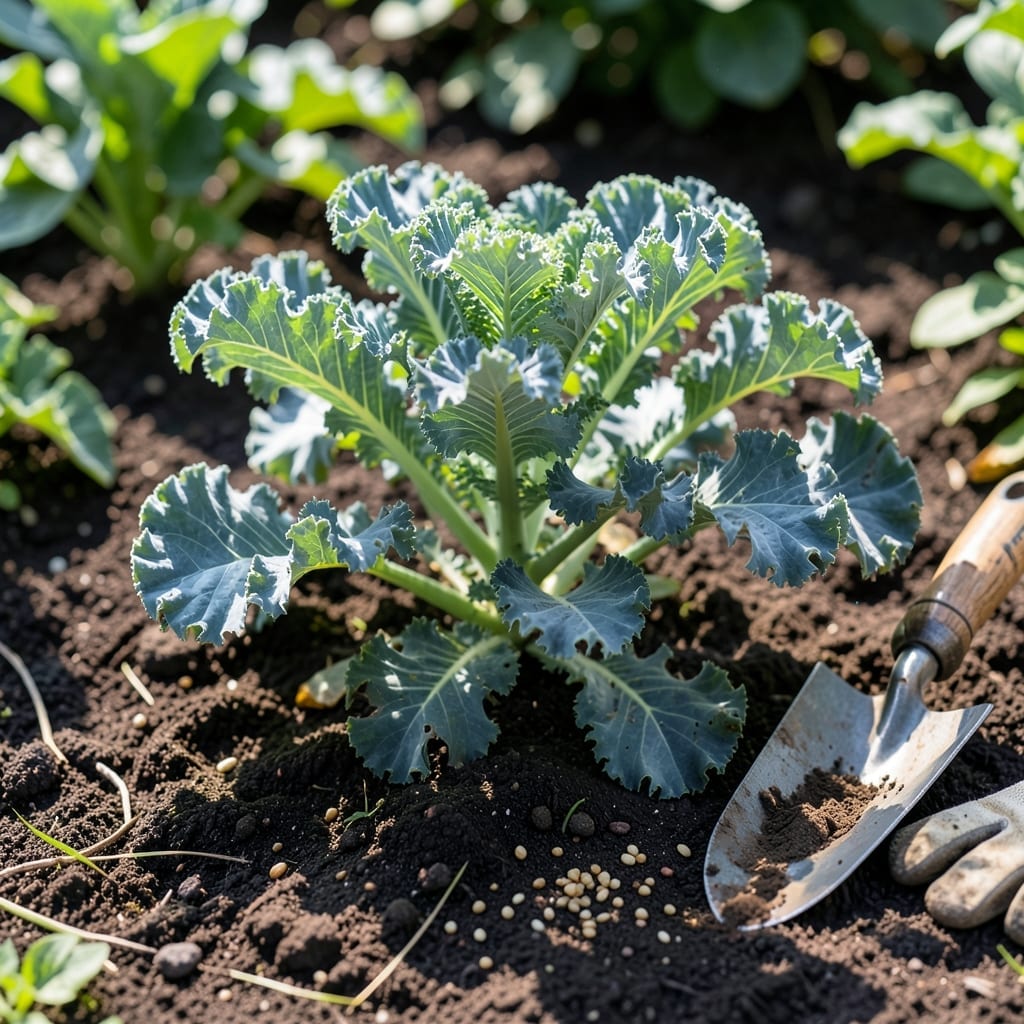
Fall planting offers a second chance to grow fresh produce and extend your gardening season well beyond summer. Timing is everything with 🌱 General Fall Seeds.
Plant too early, and heat could ruin your crops. Plant too late, and frost will strike before harvest. The window is narrow but worth it.
In USDA Zone 6, you’ve got from August to October to get it right. I’ll show you how to make every day count.
Discover the exact timing and methods that turn fall into your most productive growing season yet. Let’s get started.
Timing your fall seed planting perfectly means working backward from your first frost date. I always check my USDA hardiness zone first, as this tells me when to expect that first cold snap. In Zone 6, for example, we aim to plant 6-8 weeks before frost hits.
For fast-growing crops like radishes or spinach, you can plant even closer to frost. These cool-season vegetables thrive in the cooler temperatures and often taste sweeter after a light frost.
| Crop Type | Planting Window | Days to Harvest |
|---|---|---|
| Radishes | 4-6 weeks before frost | 25-30 days |
| Spinach | 6-8 weeks before frost | 40-50 days |
| Arugula | 4-6 weeks before frost | 30-40 days |
| Lettuce | 6-8 weeks before frost | 30-60 days |
| Cover Crops | 8-10 weeks before frost | N/A |
In Zone 7 and warmer, you have more flexibility. I’ve successfully grown kale and carrots planted in late September. The key is monitoring soil temperature—it should stay above 40°F for germination.
For cool-season flowers like pansies or calendula, plant seeds 8-10 weeks before frost. These hardy annuals can often survive light frosts and may even bloom through winter in milder zones.
Don’t forget cover crops like winter rye or clover. These should go in 4-6 weeks before the ground freezes to protect your soil and prevent erosion over winter.
If you’re in Zone 5 or cooler, your window is tighter. I recommend sticking to fastest growers like radishes and baby greens. These can mature in as little as 3-4 weeks if conditions are right.
Always pre-moisten your soil before sowing seeds in fall. The cooler temperatures mean slower germination, so consistent moisture is critical. I use a light mulch to retain warmth and moisture.
Remember that day length affects growth too. As days get shorter, plants grow more slowly. This is why I adjust my expectations for fall harvests compared to spring plantings.
For the most accurate timing, I recommend using a planting calendar specific to your zip code. Many university extension offices provide these tools free online. It takes the guesswork out of planning.
Finally, keep a garden journal to track what works in your specific microclimate. My notes from last fall showed that spinach planted in early September outperformed later sowings by a mile 🌱
Fall is the perfect time to grow cool-season crops that thrive in lower temperatures. I’ve found that quick-maturing varieties give you the best chance for a successful harvest before winter sets in.
These fast-growing seeds can go from soil to table in as little as 30 days. The key is choosing varieties that won’t mind the cooling weather and shorter days.
I always recommend planting radishes and arugula first as they’re the quickest. These can often be harvested before your first frost date arrives.
For spinach and kale, you’ll want to start them 6-8 weeks before your first expected frost. This gives them enough time to establish before cold weather slows their growth.
With these fast-growing varieties, you can enjoy fresh produce well into autumn. I’ve had great success with this approach in my own garden.
Try starting with just a few of these easy-to-grow options and expand next year 🌱