
Beautiful Plants For Your Interior
Beautiful Plants For Your Interior
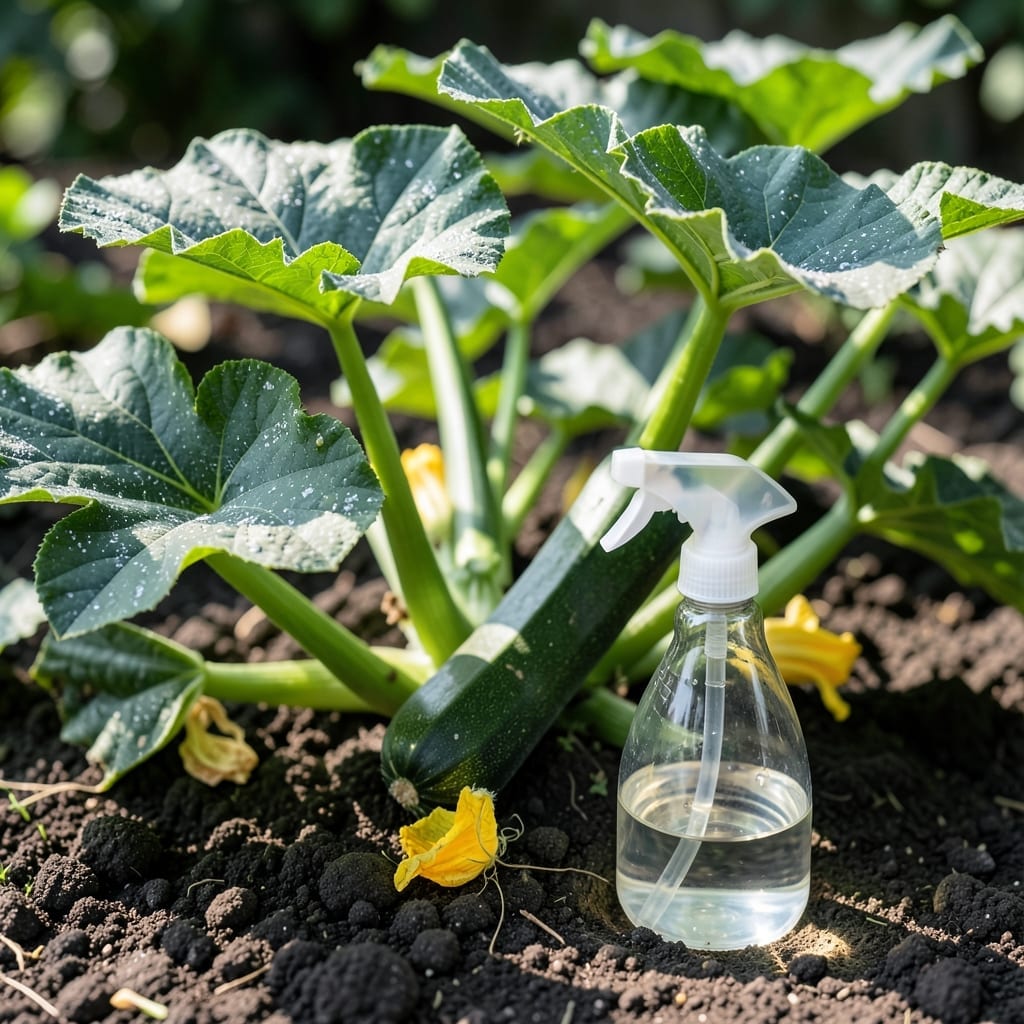
That white dust on your zucchini leaves isn’t flour. 🌿 Powdery mildew spreads fast, but I stopped it cold with a simple vinegar spray that costs pennies and works in 24 hours.
I tried every remedy before landing on this one. The key is mixing the vinegar with water and a drop of soap to make it stick. Most sprays either burn plants or don’t work—this does both jobs.
Your plants will show improvement within a day. The mildew stops spreading, leaves clear up, and new growth comes in clean. No harsh chemicals, just kitchen ingredients.
Works on roses, cucumbers, squash—any plant that’s susceptible. Here’s the exact ratio that saved my garden last summer.
Powdery mildew thrives under specific conditions, often catching gardeners off guard. Understanding its root causes helps you prevent and treat it effectively.
Warm, dry days paired with cool, humid nights create the perfect breeding ground for powdery mildew spores. Unlike other fungi, this pathogen doesn’t need wet leaves to grow—just high relative humidity (70-90%) and stagnant air. Dense plant canopies or overcrowded gardens trap moisture, accelerating spore germination.
Some plants are genetically more vulnerable. Cucumbers, squash, roses, and zucchini are common targets, but even resistant varieties can fall prey if stressed. Powdery mildew exploits weakened plants, often due to nutrient deficiencies (especially calcium or potassium) or improper watering.
Spores germinate rapidly in 60–80°F (15–27°C) but slow down in extreme heat or cold. Day-night temperature swings (common in spring/fall) stress plants, reducing their natural defenses. Shade-loving plants in overly sunny spots (or vice versa) are also at higher risk.
While powdery mildew doesn’t require water to spread, wet foliage from evening watering prolongs surface moisture, indirectly aiding spore attachment. Drip irrigation or soaker hoses at the soil level are safer alternatives.
Excess nitrogen promotes lush, soft growth—a buffet for mildew. Meanwhile, low phosphorus or potassium weakens cell walls. A balanced fertilizer (e.g., 5-10-10) strengthens plant resilience.
Dealing with powdery mildew doesn’t have to mean reaching for harsh chemicals. A simple vinegar spray can be your first line of defense. Below are targeted solutions based on the cause, along with prevention tips to keep your plants healthy long-term.
Fix: Thin out dense foliage to allow airflow between leaves. Use a fan on low settings in greenhouses or indoor setups to keep air moving. For outdoor plants, space them farther apart.
Prevention: Prune regularly and avoid overcrowding. Trim lower leaves touching the soil to reduce humidity buildup.
Fix: Water plants at the base in the early morning so leaves dry quickly. If mildew is present, apply a vinegar solution (1 tablespoon white vinegar + 1 gallon water + 1 teaspoon dish soap). Spray lightly on affected leaves, avoiding runoff.
Prevention: Use drip irrigation or soaker hoses. Ensure good drainage and avoid overhead watering.
Fix: Move potted plants to a spot with consistent temperatures. For garden beds, use mulch to regulate soil temperature and reduce stress on plants.
Prevention: Monitor weather forecasts and cover plants with row covers during sudden temperature drops.
Fix: Transplant seedlings or thin out mature plants to improve airflow. Remove heavily infected plants to prevent the mildew from spreading.
Prevention: Follow spacing guidelines for each plant type. Rotate crops yearly to disrupt fungal cycles.
💡 Pro Tip: Always test your vinegar spray on a small section of the plant first to check for sensitivity. Reapply every 5–7 days or after rain until the mildew is gone.
Reapply every 5-7 days or after rain. Treatment typically shows results within 24 hours, but consistency prevents regrowth.
White vinegar is best due to its 5% acetic acid concentration. Apple cider vinegar works but may leave residue. Always dilute to avoid plant damage.
Vinegar spray is low-risk but avoid applying during peak pollination hours. Early morning or evening is safest for beneficial insects.
This happens with hard water or too much soap. Use distilled water and reduce dish soap to ½ teaspoon per gallon.