
Beautiful Plants For Your Interior
Beautiful Plants For Your Interior
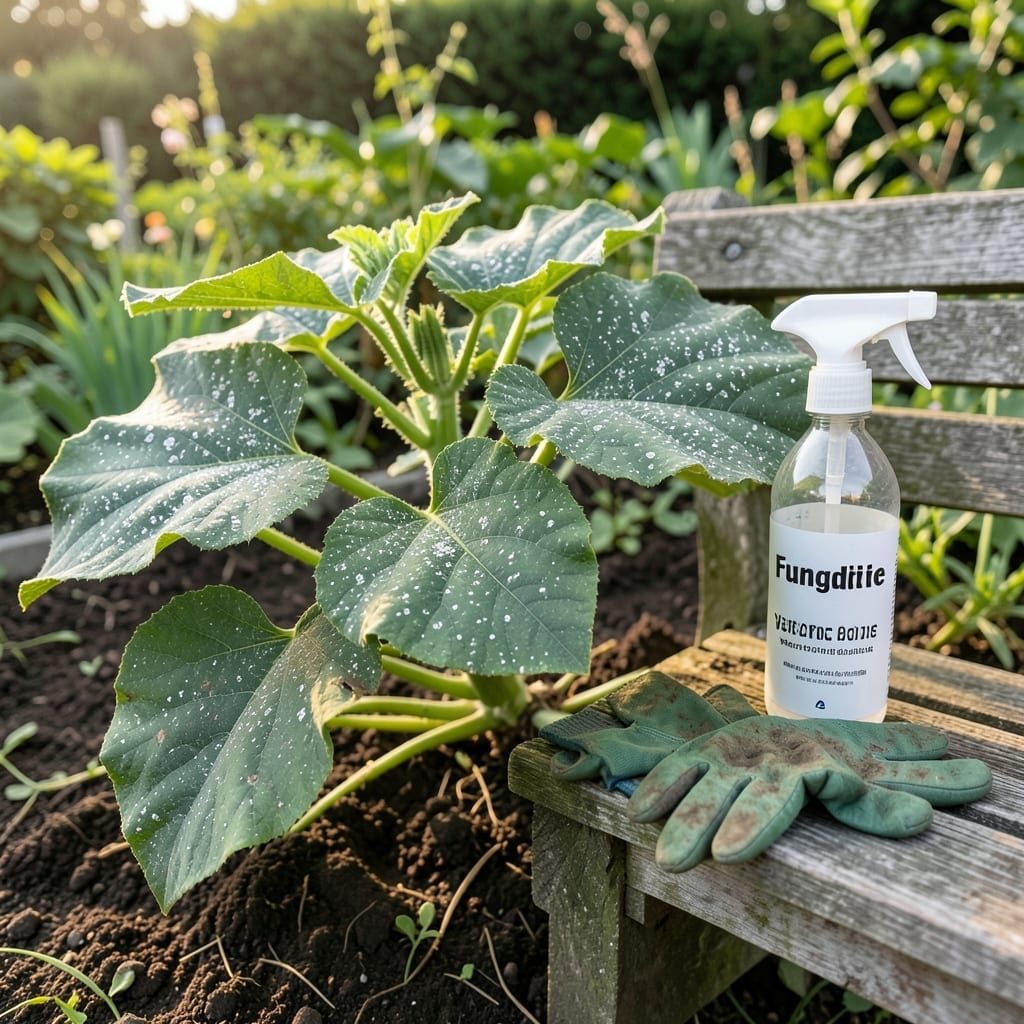
White dust on your leaves isn’t just unsightly—it’s stealing your plants’ strength. I’ve lost entire squash crops to this silent thief before learning how to fight back effectively.
Powdery mildew spreads fast in warm, dry days with cool nights. The good news? You can stop it without harsh chemicals. A simple spray of milk and water or baking soda solution often does the trick.
Your plants will bounce back with healthier leaves and stronger growth once treated. I’ve saved countless plants using these methods, and they keep producing well after treatment.
Works for everything from roses to cucumbers. Here’s exactly how to handle it.
Powdery mildew thrives under specific environmental and biological conditions. Understanding these triggers is key to prevention and effective powdery mildew treatment.
This fungus flourates in environments with 60-80% relative humidity, but unlike other fungi, it doesn’t need wet leaves to grow. Instead, it spreads when air humidity is high while the leaf surface remains dry. Poor air circulation traps moisture, creating ideal conditions for spores to germinate and infect plants.
Some plants are genetically more vulnerable. Cucurbits (like zucchini and cucumbers), roses, grapes, and squash are common targets. New growth, with its tender tissues, is especially prone. Older, tougher leaves often resist infection better.
Dense plantings or improper spacing restrict airflow, allowing humidity to linger. Shade from nearby structures or overhanging branches can also reduce evaporation, keeping foliage damp longer. Pruning and strategic planting help mitigate this.
Powdery mildew spores thrive in temperatures between 60–80°F (15–27°C). The contrast between warm days and cool nights (common in spring and fall) accelerates spore production. This temperature range is why outbreaks often surge during transitional seasons.
Plants with excess nitrogen (promoting soft, succulent growth) or low potassium or phosphorus are more susceptible. Balanced fertilization strengthens cell walls, making it harder for the fungus to penetrate.
Powdery mildew doesn’t have to spell doom for your garden. Here’s how to tackle it based on the cause, plus tips to keep it from coming back.
Fix: Thin out dense foliage to improve airflow. Prune affected leaves and stems, and space plants farther apart. For severe cases, remove heavily infected plants to protect the rest.
Prevention: Start with proper spacing when planting, and regularly prune to maintain good circulation.
Fix: Reduce humidity by watering in the early morning so leaves dry quickly. Use a fan to improve air movement in greenhouses or indoor setups.
Prevention: Avoid overhead watering—opt for drip irrigation or soaker hoses to keep foliage dry.
Fix: Stabilize conditions with row covers or shade cloth to moderate temperature shifts. Remove infected leaves immediately to prevent spread.
Prevention: Monitor weather forecasts and adjust plant care routines to minimize stress during temperature fluctuations.
Fix: Strengthen plants with a balanced organic fertilizer or compost tea. Apply neem oil or sulfur-based sprays weekly until the mildew subsides.
Prevention: Keep plants healthy with regular feeding and proper hydration. Rotate crops annually to reduce disease buildup in the soil.
💡 Pro Tip: Apply a baking soda solution (1 tsp baking soda, 1 quart water, and a few drops of dish soap) as a preventive spray every 1-2 weeks during vulnerable periods.
Yes! A 1 tsp baking soda per 1 quart water spray changes leaf pH, making it harder for spores to grow. Add a drop of dish soap to help it stick.
For active infections, spray every 5-7 days until clear. For prevention, every 2 weeks during humid weather works best.
Apply in early morning so leaves dry quickly. Avoid midday heat which can burn plants, and evening when moisture lingers.
Apple cider vinegar (2 tbsp per gallon) works but may harm delicate plants. Always test on a small area first.