
Beautiful Plants For Your Interior
Beautiful Plants For Your Interior
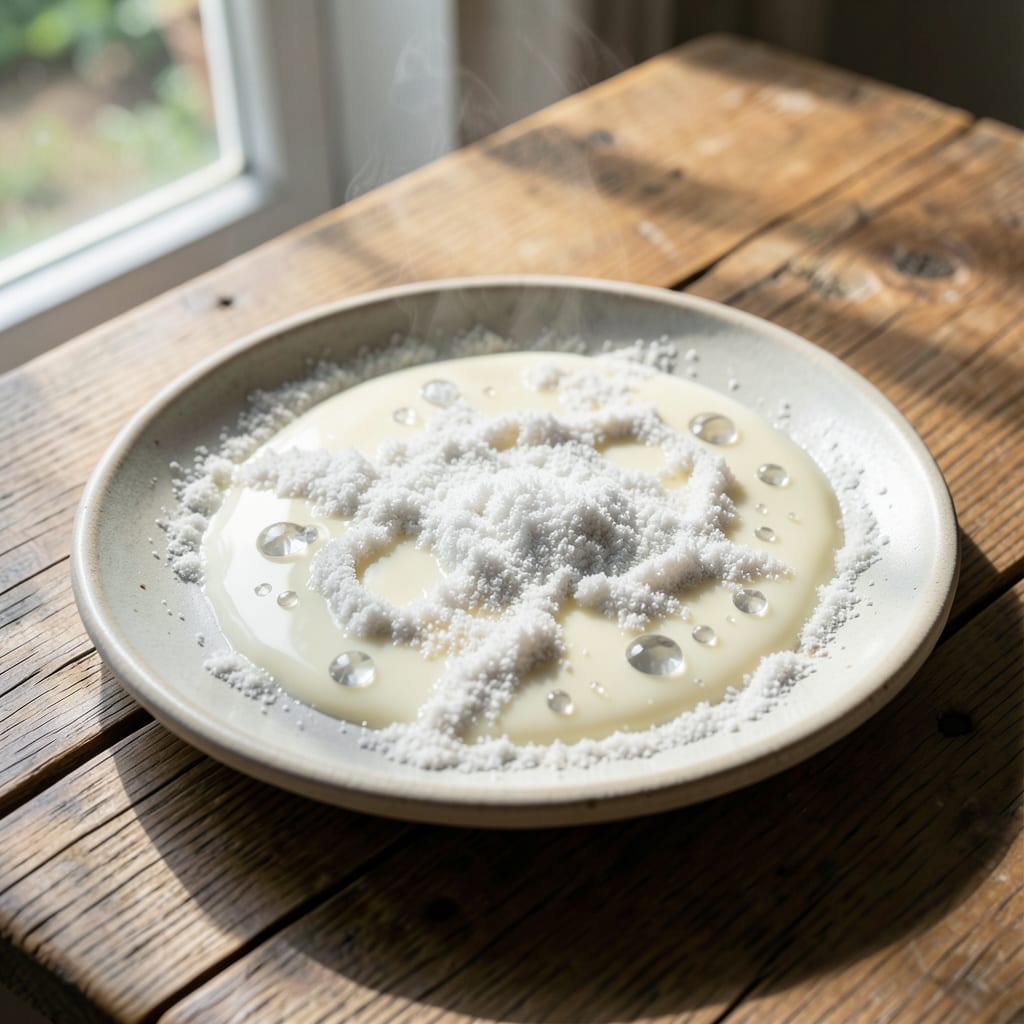
White powder on your plants is every gardener’s nightmare, but I found a simple solution that works. A milk and water spray stops powdery mildew in its tracks without harsh chemicals.
This method isn’t new—it’s been used for generations. The proteins in milk disrupt the fungus, while water helps it spread evenly. It’s safe for most plants and won’t harm beneficial insects.
Mix 1 part milk to 9 parts water, spray weekly, and watch the mildew disappear. Best part? You probably have the ingredients already.
Works on roses, cucumbers, squash, and more. Just test on a few leaves first to be sure.
Powdery mildew on plants like milk and water (a common name for Synadenium grantii) thrives under specific environmental and biological conditions. Below are the primary causes, explained scientifically to help you address the root of the problem.
This fungal disease flourishes in humid environments (60-80% relative humidity) with stagnant air. When moisture lingers on leaf surfaces—especially in crowded plantings or indoor settings with limited ventilation—spores germinate rapidly. Podosphaera or Erysiphe fungi, common culprits, require free water on leaves for only a few hours to infect.
Powdery mildew favors moderate temperatures (60–80°F or 15–27°C). Day-night temperature swings, common in greenhouses or outdoor gardens during spring/fall, stress plants and weaken their natural defenses. Cooler nights with dew formation create ideal conditions for spore dispersal.
Watering from above wets foliage, providing the moisture fungi need to colonize. Evening watering is particularly risky, as leaves stay damp overnight. Drip irrigation or soaker hoses at the soil level reduce this risk by keeping leaves dry.
Some Synadenium cultivars lack genetic resistance to powdery mildew. Stressed plants—due to nutrient deficiencies (e.g., low potassium) or improper light—are more vulnerable. Over-fertilizing with nitrogen can also promote lush, soft growth that’s easier for fungi to penetrate.
Dense plantings restrict airflow, trapping humidity around leaves. Prune regularly to improve circulation, and space plants according to their mature size to minimize microbial spread.
Dealing with powdery mildew on your plants can be frustrating, but these practical solutions will help you tackle the issue head-on. Below, we map common causes to their fixes, along with prevention tips to keep your garden healthy.
Powdery mildew thrives in stagnant, humid air. To fix this, prune overcrowded plants to allow better airflow. Space your plants properly during planting, and avoid over-fertilizing with nitrogen, which promotes lush, dense growth. For indoor plants, use a small fan to keep air moving gently.
Prevention tip: 💡 Water plants early in the day so foliage dries quickly, reducing humidity buildup.
Wet leaves create the perfect environment for powdery mildew spores to germinate. Water at the base of the plant using a drip irrigation system or soaker hose to keep foliage dry. If you must use a sprinkler, do it early in the morning so leaves have time to dry before evening.
Prevention tip: ✨ Avoid splashing water onto leaves, as this can spread spores to healthy plants.
Some plants, like roses, cucumbers, and squash, are more prone to powdery mildew. Replace high-risk plants with resistant varieties (e.g., ‘Powdery Mildew Resistant’ zucchini or ‘Knock Out’ roses). If you love your susceptible plants, apply a baking soda spray (1 tsp baking soda + 1 quart water + a few drops of dish soap) weekly as a preventive measure.
Prevention tip: 🎯 Rotate crops annually to reduce spore buildup in the soil.
At the first sign of white, powdery spots, remove infected leaves or stems and dispose of them in the trash (not compost). This prevents spores from spreading. For severe cases, use an organic fungicide like neem oil or sulfur-based sprays, following label instructions carefully.
Prevention tip: 🌡️ Disinfect pruning tools with rubbing alcohol between cuts to avoid contaminating healthy plants.
Spray your plants weekly as a preventive measure. For active infections, apply every 2-3 days until the mildew disappears. Always use the solution in the morning for best results.
Milk proteins disrupt the fungal cell walls when exposed to sunlight. The lactic acid also creates an inhospitable environment for spores. It’s a natural, chemical-free solution.
Whole milk works best due to its higher protein content. Skim milk can work but may be less effective. Avoid using milk that’s gone sour, as it won’t provide the same benefits.
While generally safe, always test the spray on a few leaves first. Some sensitive plants might develop leaf burn. If this occurs, dilute the solution further or discontinue use.
