
Beautiful Plants For Your Interior
Beautiful Plants For Your Interior
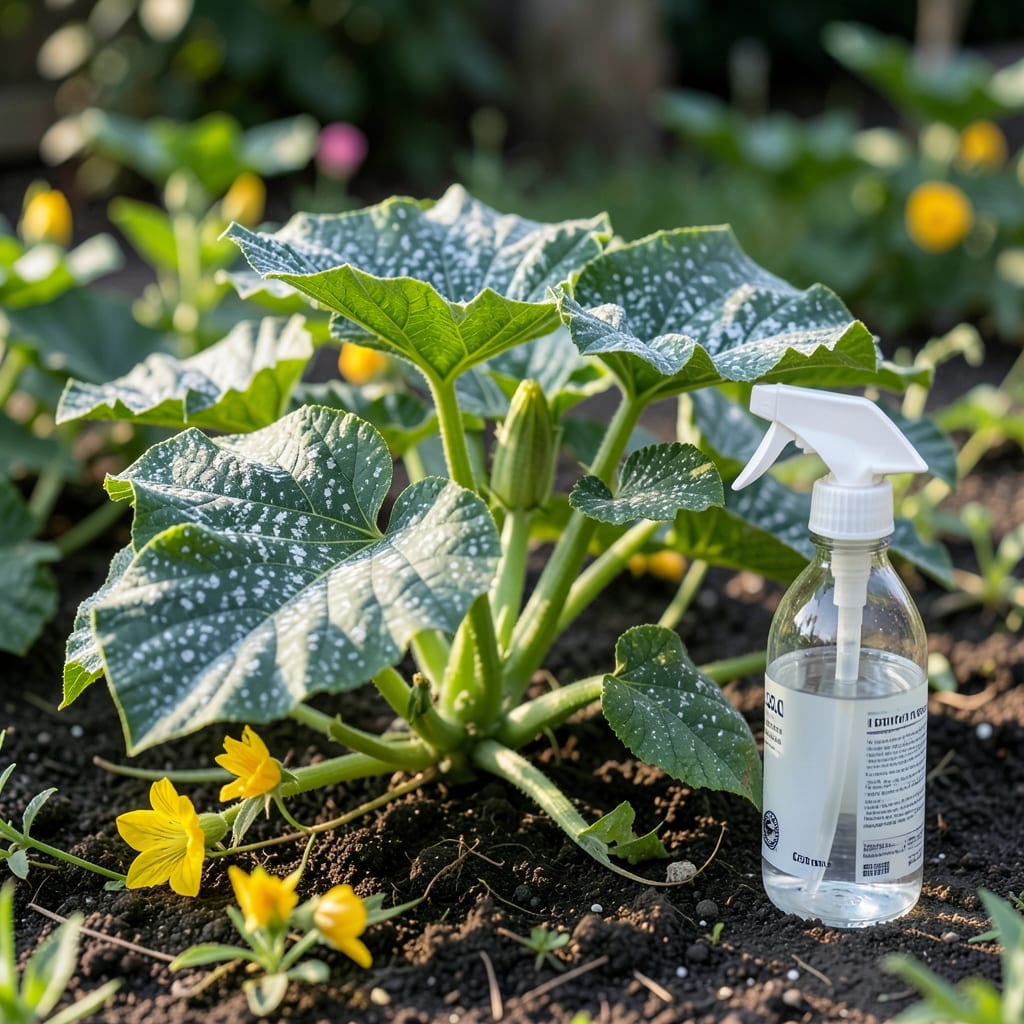
White dust on your leaves isn’t just unsightly—it’s a plant killer. Powdery mildew spreads fast, but I’ve stopped it in its tracks with simple sprays that work better than any store-bought solution.
I lost half my zucchini plants the first year I ignored it. Now I catch it early with a 3-ingredient mix that costs pennies and prevents outbreaks before they start.
Your plants will stay vibrant and healthy all season with this approach. No harsh chemicals, just effective, natural protection that keeps leaves clean and growth strong.
Works on roses, squash, and even houseplants. Here’s how to make it and apply it right.
Powdery mildew thrives when conditions align just right for fungal spores to take hold. Understanding these triggers helps you stop outbreaks before they start. Here’s what sets the stage for infection:
The fungus Erysiphales loves moisture in the air, not on the leaves. When humidity spikes above 60% but foliage stays dry (common in crowded gardens or poor airflow), spores germinate rapidly. This is why greenhouses and shaded areas are hotspots—stagnant, humid air is the perfect breeding ground.
Dense plantings restrict airflow, trapping moisture and creating microclimates where spores thrive. Prune regularly to improve ventilation, especially in susceptible species like roses, cucumbers, or squash. Space plants according to their mature size to reduce risk.
Watering leaves instead of the soil wets foliage, but it’s the evaporation that follows that raises humidity. Switch to drip irrigation or water early in the day so leaves dry quickly. Avoid evening watering—cool nights slow evaporation, prolonging damp conditions.
Excess nitrogen promotes lush, soft growth that’s more vulnerable to infection. Meanwhile, low potassium or phosphorus weakens plant defenses. Use balanced organic fertilizers and amend soil with compost to bolster natural resistance.
Shade-stressed plants (or those in inconsistent light) grow weaker cell walls, making them easier targets. Ensure plants get their required sunlight, and thin out overgrown areas to let light penetrate.
Powdery mildew can be stubborn, but these targeted fixes will help you reclaim your garden’s health. Below, we map common causes to their solutions, plus prevention tips to keep your plants thriving.
Fix: Thin out crowded plants to improve airflow. Prune affected leaves and stems, and space plants farther apart. Use a small fan on low settings for indoor plants to keep air moving.
Prevent: Avoid overcrowding when planting. Regularly prune dense foliage, and ensure your garden or indoor setup has good ventilation.
Fix: Water plants in the early morning so leaves dry quickly. Use a powdery mildew spray like neem oil or sulfur-based solutions to treat existing infections. For indoor plants, consider a dehumidifier.
Prevent: Keep humidity levels below 60%. Water at the base of plants to avoid wetting leaves, and avoid overhead watering.
Fix: Move potted plants to a more stable environment. Outdoor plants can be shielded with row covers during cool nights. Apply a baking soda spray (1 tsp baking soda + 1 quart water + a few drops of dish soap) weekly.
Prevent: Maintain consistent temperatures. Avoid placing plants near drafts or heat sources that cause sudden temperature swings.
Fix: Flush the soil with water to remove excess fertilizer. Trim back affected growth and reduce fertilizer use. Switch to a balanced, slow-release organic fertilizer.
Prevent: Follow recommended fertilization schedules. Use soil tests to determine nutrient needs, and avoid overfeeding your plants.
💡 Pro Tip: Regularly inspect your plants for early signs of powdery mildew—white, powdery spots on leaves—and act quickly. A consistent spray routine with organic treatments can stop outbreaks before they spread!
For prevention, use a baking soda spray every 1-2 weeks. If treating an active infection, apply every 5-7 days until the issue clears. Consistency is key for effective control.
Yes, neem oil is safe for most plants, but always test on a small area first. Avoid using it in direct sunlight or on stressed plants to prevent leaf burn.
Mix 1 tsp baking soda, 1 quart water, and a few drops of dish soap for a simple, effective solution. Reapply after rain.
Recurring infections often mean poor airflow or high humidity. Improve ventilation and avoid overhead watering to break the cycle.